

What is wastewater? In simple terms, wastewater is any water that has been used and contaminated by human activities—whether in homes, businesses, or industrial facilities—to the point where it is no longer suitable for immediate use without treatment. From the water swirling down your kitchen sink to the complex chemical effluents discharged by manufacturing plants, wastewater management is one of the most critical challenges of the modern era. Neglecting it doesn’t just invite legal penalties; it jeopardizes the ecosystems we rely on.
In this comprehensive guide, we will dismantle the complexities of wastewater management. You will explore the specific types of wastewater, the dangerous pollutants lurking within them, and the best treatment methods available today—ranging from traditional biological ponds to advanced Zero Liquid Discharge (ZLD) systems pioneered by industry leaders like Memva. Whether you are a facility manager seeking compliance or an environmental enthusiast, this guide covers everything you need to know to make informed decisions about water sustainability.
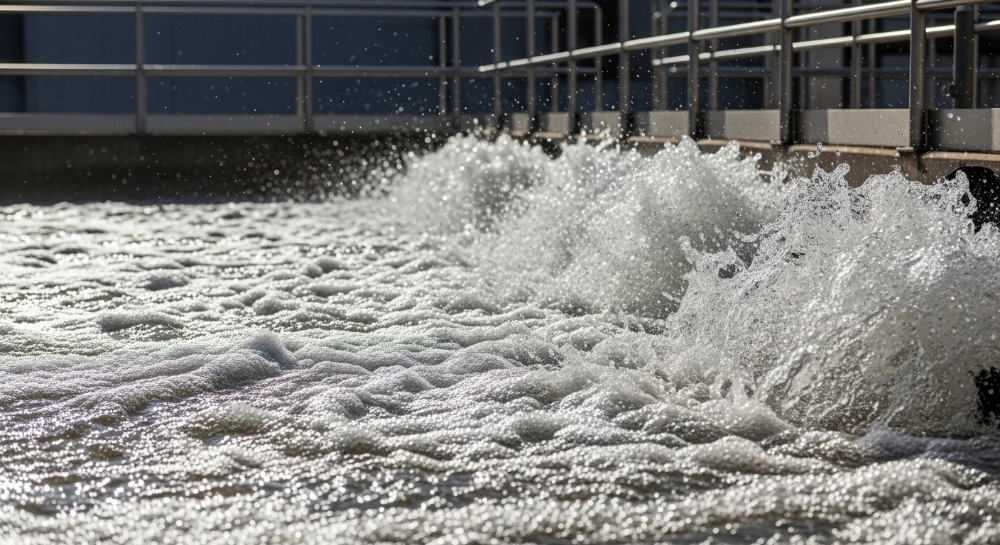
What Is Wastewater? Understanding the Core Definition
At its core, “wastewater” refers to “used” water. However, this definition barely scratches the surface of what is actually contained in the fluid. When water leaves a facility, it carries a unique fingerprint of the activities that produced it. This can range from harmless organic matter to toxic heavy metals and synthetic chemicals.
For industrial operators, understanding what is wastewater involves analyzing its chemical and physical properties. It is not just dirty water; it is a complex solution containing suspended solids, dissolved organic compounds, and inorganic ions. The United Nations considers wastewater an “untapped resource,” emphasizing that with the right treatment technologies, we can recover energy, nutrients, and clean water, closing the loop on the water cycle.
The Global Impact of Untreated Wastewater
The stakes are incredibly high. According to the 2024 update from UN-Water, approximately 42% of household wastewater globally was not safely treated before discharge. In the industrial sector, the gap is even more concerning due to a lack of consistent reporting, yet the environmental footprint is massive. Untreated effluent depletes oxygen in water bodies, causing “dead zones” where aquatic life cannot survive, and contaminates groundwater sources used for drinking.
The Three Main Types of Wastewater
To determine the best treatment method, you must first categorize the source. Not all wastewater is created equal, and treating a dairy plant’s runoff requires a completely different approach than treating metal plating effluent.
1. Domestic Wastewater (Sewage)
This is the water discharged from private residences and public institutions. It is generally categorized into two streams:
- Blackwater: Wastewater from toilets containing fecal matter and urine. It is high in pathogens and organic load.
- Greywater: Water from showers, sinks, and washing machines. While it contains fewer pathogens than blackwater, it still carries detergents, oils, and skin cells that require treatment.
2. Industrial Wastewater
This is the most complex category and the primary focus for manufacturers. Industrial wastewater varies wildly depending on the industry:
- Manufacturing: often contains chemical solvents, heavy metals, and high Total Dissolved Solids (TDS).
- Food & Beverage: High in organic matter (BOD/COD), fats, oils, and grease (FOG).
- Power Generation: Generates cooling tower blowdown and flue gas desulfurization wastewater, often rich in salts and heat.
- Landfill Leachate: A “chemical soup” resulting from rain filtering through waste, requiring highly specialized treatment like landfill leachate treatment systems.
3. Stormwater Runoff
Often overlooked, stormwater collects pollutants as it flows over roads, roofs, and parking lots. In industrial settings, stormwater can mix with spilled chemicals or raw materials stored outdoors, effectively becoming industrial wastewater that requires containment and treatment.
Common Pollutants Hidden in Industrial Effluent
Identifying “what is in the water” is the first step toward compliance. Here are the key parameters environmental engineers monitor:
| Pollutant Category | Description | Potential Impact |
|---|---|---|
| TDS (Total Dissolved Solids) | Inorganic salts (calcium, magnesium, potassium) and small amounts of organic matter dissolved in water. | Causes scaling in pipes; toxic to aquatic life at high concentrations. |
| BOD & COD | Biological and Chemical Oxygen Demand measure the amount of oxygen needed to break down organic matter. | High levels deplete oxygen in rivers, killing fish and promoting algae blooms. |
| Heavy Metals | Lead, mercury, cadmium, arsenic, and chromium used in plating and electronics. | Highly toxic; bioaccumulates in the food chain, posing severe human health risks. |
| Pathogens | Bacteria, viruses, and parasitic worms. | Spreads waterborne diseases like cholera and typhoid. |
| Nutrients (N & P) | Nitrogen and Phosphorus from fertilizers and human waste. | Causes eutrophication, leading to toxic algal blooms that choke waterways. |
Best Wastewater Treatment Methods: A Step-by-Step Guide
So, what is wastewater treatment’s ultimate goal? It is to speed up the natural processes by which water purifies itself. Modern treatment plants use a combination of physical, chemical, and biological processes to remove pollutants. Here is how the best systems operate.
Phase 1: Preliminary & Primary Treatment
Before advanced technology takes over, we must remove the “easy” solids.
Screening: Large objects like rags, plastic, and wood are removed to protect downstream pumps.
Sedimentation (Clarifiers): Gravity takes over here. Heavy solids settle to the bottom as “sludge,” while oils and grease float to the top to be skimmed off. This reduces the suspended solids load by up to 60%.
Phase 2: Secondary Treatment (Biological)
This is the heart of most municipal plants. It uses microorganisms to consume the organic matter (measured as BOD) in the water.
- Activated Sludge Process: Air is pumped into large tanks to encourage bacteria growth. These bacteria breakdown organic waste effectively.
- Fixed-Film Systems: Bacteria grow on media (like rocks or plastic) and the wastewater passes over them.
Phase 3: Tertiary & Advanced Treatment
For industrial applications, biological treatment is often insufficient. This is where advanced technology enters the picture to remove dissolved chemicals, color, and microscopic contaminants.
1. Membrane Filtration (UF/RO/DTRO)
Membrane technology acts as a molecular sieve. DTRO Membrane Systems (Disc Tube Reverse Osmosis) are particularly effective for difficult waters like landfill leachate. Unlike standard RO, DTRO is resistant to fouling and can handle higher turbidity, making it a favorite for industrial operators dealing with “dirty” high-concentration fluids.
2. Evaporation and Crystallization (MVR & MVC)
When you need to separate water from a very concentrated solution (like brine), evaporation is the gold standard.
MVR (Mechanical Vapor Recompression): This technology recycles the energy from the steam it generates, making it incredibly energy-efficient. MVR Technology compresses vapor to increase its temperature, which is then used to heat the feed water.
MVC (Mechanical Vapor Compression): Similar to MVR, MVC Evaporators are compact and ideal for recovering distilled water from wastewater. They are widely used in treating oily wastewater and electroplating effluent.
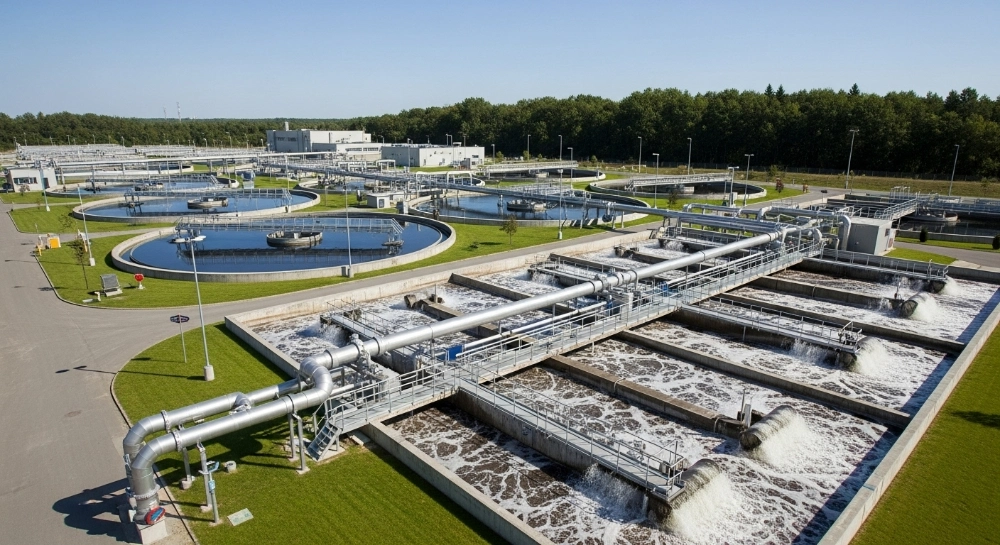
Phase 4: Zero Liquid Discharge (ZLD)
The ultimate frontier in wastewater management is Zero Liquid Discharge. In a ZLD system, absolutely no liquid effluent leaves the factory. The wastewater is purified and recycled back into the process (e.g., for cooling towers or boiler feed), and the contaminants are reduced to dry solids for disposal.
Top-tier manufacturers like Memva specialize in these Zero Liquid Discharge (ZLD) systems, combining evaporation and crystallization to help factories meet strict environmental regulations while reducing freshwater costs.
How to Select the Right Treatment Equipment?
Choosing a system isn’t about buying the most expensive machine; it’s about matching the technology to your specific “wastewater profile.” Experts typically consider the following:
- Flow Rate: How many cubic meters per hour do you discharge? High volumes might need continuous flow systems, while smaller volumes might use batch reactors.
- Contaminant Profile: Is your problem organic (BOD) or inorganic (salts/metals)? Biological systems fail against high salts; you need Multi-Effect Evaporators for that.
- Energy Consumption: Energy is a major operating cost. Technologies like MVR are designed to minimize electrical consumption compared to traditional boilers.
- Space Constraints: Do you have acres for a lagoon, or do you need a skid-mounted, compact system like an MVC unit?
“The biggest mistake facility managers make is applying a municipal solution to an industrial problem. Industrial wastewater requires robust, specialized equipment capable of handling shock loads and corrosive elements.” — Senior Process Engineer at Memva
The Future: Why ZLD is Winning the Market
The global industrial wastewater treatment market is booming, projected to reach over $34 billion by the mid-2030s. Why? Because water scarcity is driving regulations. Cities are no longer accepting industrial runoff into public sewers without heavy surcharges.
This economic pressure is making ZLD (Zero Liquid Discharge) not just an environmental choice, but a financial one. By recovering water, companies slash their water procurement bills. By eliminating discharge, they eliminate regulatory fines. Advanced compressor wastewater evaporators are at the forefront of this shift, turning hazardous liquid waste into harmless solids and reusable distilled water.
Frequently Asked Questions (FAQ)
1. What is the difference between wastewater and sewage?
Sewage is a specific subset of wastewater generated from toilets, sinks, and showers (domestic use). Wastewater is the broader umbrella term that includes sewage, but also encompasses industrial effluent, agricultural runoff, and stormwater.
2. Can all wastewater be recycled?
With the right technology, yes. While it is technically possible to treat any water to potable (drinking) standards, it is often not economically viable. However, recycling wastewater for industrial processes (like cooling or washing) is highly efficient and widely practiced using technologies like RO and Evaporation.
3. What is the most difficult wastewater to treat?
Landfill Leachate and Desalination Brine are notoriously difficult due to their high complexity and salinity. Standard biological treatments fail here. These require high-pressure membranes or thermal evaporation systems.
4. How much does a wastewater treatment plant cost?
Costs vary wildly based on volume and technology. A simple chemical dosing skid might cost $20,000, while a full-scale ZLD plant for a large factory can run into the millions. However, the ROI often comes within 2-3 years through savings on water disposal fees.
5. Why is Biochemical Oxygen Demand (BOD) important?
BOD indicates how much organic “food” is in the water for bacteria. If you dump high-BOD water into a river, bacteria in the river will multiply rapidly, consuming all the oxygen and suffocating fish. Lowering BOD is a primary legal requirement for discharge.
Conclusion
Understanding what is wastewater is the first step in a journey toward operational excellence and environmental stewardship. Whether dealing with high-salinity brine from a textile mill or organic sludge from a food processor, there is a technical solution available. The days of “dilution is the solution to pollution” are over.
Modern industry demands modern solutions. Technologies like MVR, DTRO, and ZLD are not just buzzwords—they are the tools that allow businesses to grow without depleting our planet’s most precious resource. If you are looking to upgrade your facility’s capabilities, ensure you consult with authoritative experts who understand the nuances of industrial filtration and evaporation.
For more information on cutting-edge evaporation and membrane technologies, visit Memva to explore solutions tailored to your specific industrial needs.