

Lorem ipsum dolor sit amet, consectetur adipiscing elit. Ut elit tellus, luctus nec ullamcorper mattis, pulvinar dapibus leo.
How Memva helped a Tier-1 lithium battery supplier overcome complex effluent challenges, ensure environmental compliance, and secure sustainable water operations.
Get a ConsultationThe client's new gigafactory was generating wastewater that conventional municipal treatment plants refused to accept. The effluent stream from cathode material production and coating processes was highly complex.
They faced severe regulatory pressure and potential plant shutdown risks due to inability to meet discharge standards.
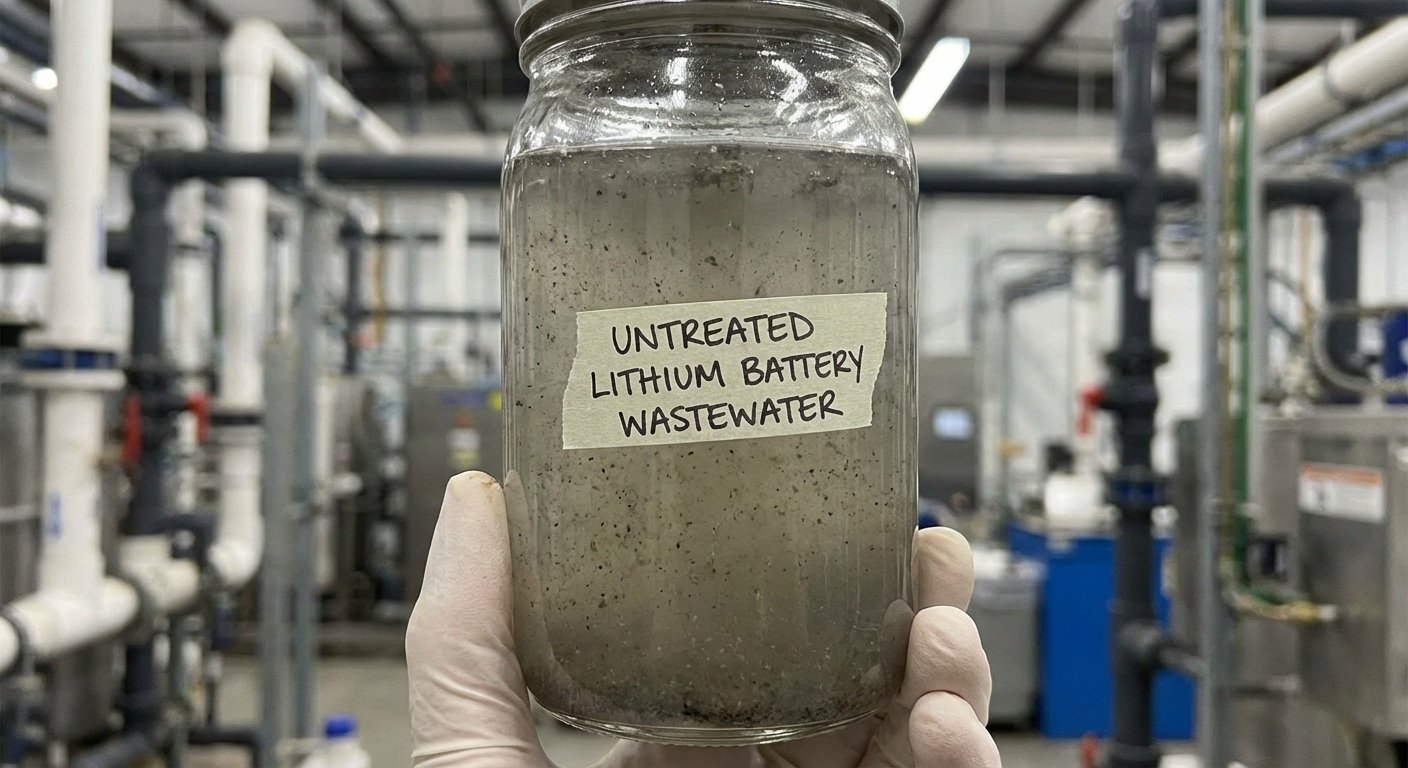
Figure 1: Untreated influent containing high suspended solids and metals.
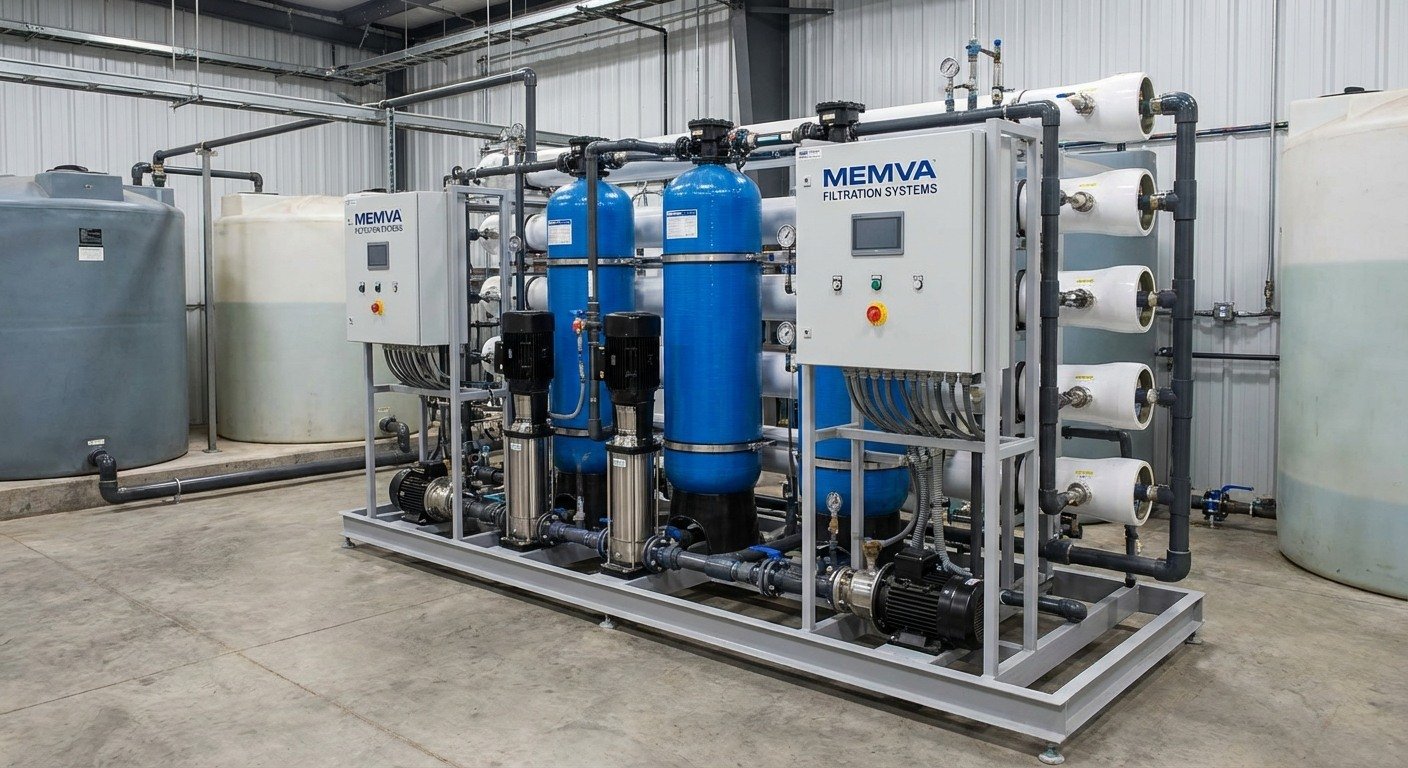
Memva engineered a custom, multi-stage New Energy WasteWater Treatment plant designed for robustness against variable influent quality.
The implementation turned a major environmental liability into a sustainable asset. The facility now operates as a Zero Liquid Discharge site, recycling 96% of its water back into cooling towers and cathode washing processes.
| Parameter | Untreated Influent | Memva Treated (Permeate) |
|---|---|---|
| Nickel (Ni) | 45 mg/L | < 0.05 mg/L |
| Cobalt (Co) | 30 mg/L | < 0.05 mg/L |
| Fluoride | 180 mg/L | < 1.0 mg/L |
| COD (Organics) | 3,500 mg/L | < 50 mg/L |
| TDS (Salinity) | 35,000 mg/L | < 100 mg/L |
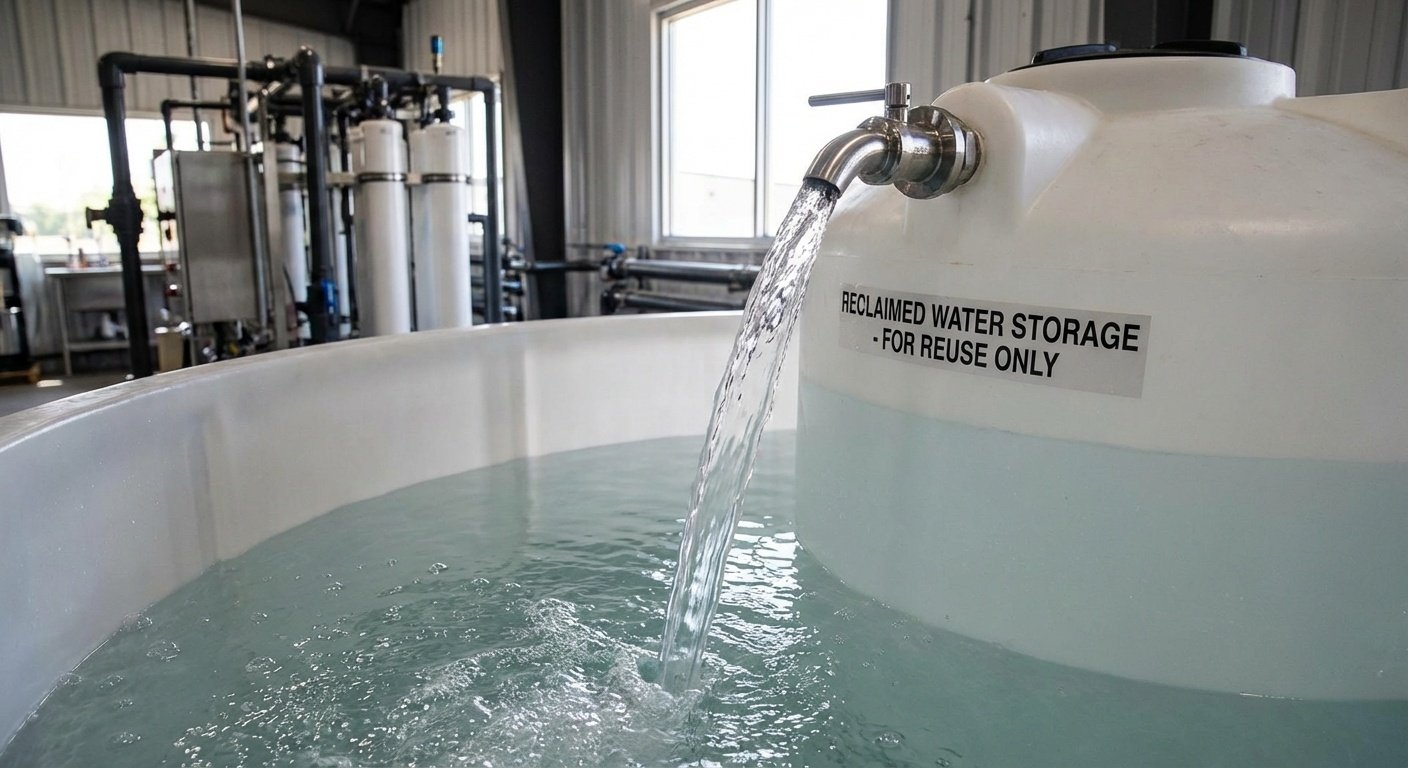
Figure 3: High-purity water ready for production reuse.
Common questions regarding wastewater treatment in the EV battery and solar sectors.
EV battery wastewater is complex, often containing high levels of heavy metals (Lithium, Cobalt, Nickel), toxic organic solvents like NMP, and very high concentrations of fluoride, making traditional biological treatment ineffective.
We utilize an integrated process: advanced chemical pretreatment to remove bulk contaminants, followed by high-recovery Reverse Osmosis (RO) for water recycling. The remaining concentrated brine is processed in a thermal evaporator/crystallizer, resulting in dry solids and no liquid discharge.
Yes. Memva's membrane technologies produce high-purity water that often exceeds municipal water quality, making it suitable for reuse in cooling towers, rinsing processes, and general facility use.
We use a two-stage approach for fluoride. First, calcium-based precipitation reduces bulk fluoride levels. Second, specialized polishing resins or selective membranes reduce the remaining fluoride to highly stringent compliance limits (often <1 mg/L).