

Clean water isn’t just a resource anymore; it’s a critical operational asset. Whether you are managing complex pharmaceutical wastewater or dealing with landfill leachate, the pressure to recover water and minimize waste volume is higher than ever. This is where selecting the right ro desalination plant becomes the most important decision in your facility’s upgrade cycle.
We aren’t just talking about turning seawater into drinking water. In the industrial sector, high-efficiency Reverse Osmosis (RO) systems are the workhorses for volume reduction and water reuse. But not all systems are built the same. A generic setup might work for a month, but specialized wastewater requires specialized engineering.
This guide cuts through the noise. We will look at what separates a standard assembly from a high-efficiency industrial solution, how to compare manufacturers, and why advanced membrane technologies are changing the economics of water treatment.
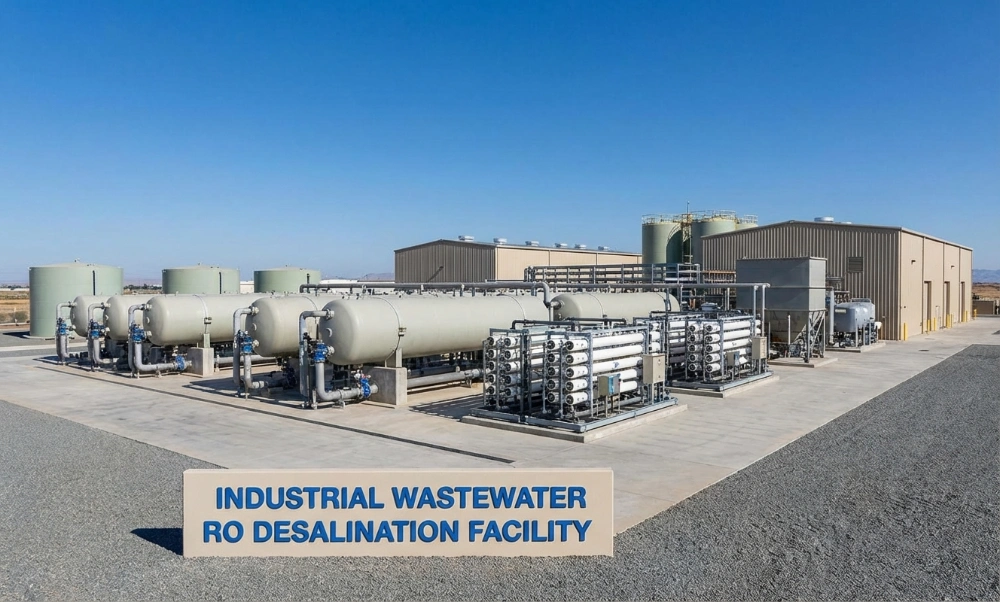
The Real Cost of Low Efficiency in Desalination
When procurement teams look at quotes, the upfront capital expenditure (CapEx) often dictates the decision. This is a classic trap. In wastewater treatment, operational expenditure (OpEx) is where the real money is lost or saved. A cheap ro desalination plant often comes with low-pressure pumps, inefficient energy recovery devices, and membranes that foul within weeks.
High efficiency isn’t a marketing buzzword. It comes down to three specific metrics:
- Recovery Rate: How much pure water do you get vs. brine? Standard systems might hit 50-60%. High-efficiency industrial systems, especially those using Disc Tube Reverse Osmosis (DTRO), can push this significantly higher, reducing the volume of waste you need to haul away.
- Energy Consumption: Energy often accounts for 30% to 50% of the total cost of desalinated water. Modern systems utilize isobaric energy recovery devices that recycle pressure, dropping energy use by up to 40%.
- Membrane Lifespan: In wastewater applications, fouling is the enemy. High-efficiency systems use open-channel membrane designs that resist clogging, lasting years instead of months.
Comparing Standard RO vs. Industrial High-Efficiency RO
To help you visualize the difference, here is a breakdown of typical performance metrics we see in the field when treating high-TDS (Total Dissolved Solids) wastewater.
| Feature | Standard Commercial RO | High-Efficiency Industrial RO |
|---|---|---|
| Operating Pressure | 150 – 250 psi | 800 – 1,200+ psi (High Pressure) |
| TDS Tolerance | Up to 2,000 mg/L | Up to 50,000+ mg/L |
| Fouling Resistance | Low (requires frequent CIP) | High (especially with DTRO modules) |
| Energy Usage | High (no recovery device) | Optimized (w/ Energy Recovery) |
| Typical Application | Tap water filtration | Pharmaceutical Wastewater, Leachate |
Table 1: Performance comparison based on average industry data.
Core Technologies Behind Top-Tier Manufacturers
When vetting a manufacturer, you need to look under the hood. The best suppliers don’t just buy parts and bolt them to a skid; they engineer solutions around specific water chemistries.
1. DTRO (Disc Tube Reverse Osmosis)
For treating difficult waters like landfill leachate or industrial brine, standard spiral-wound membranes fail quickly. They get plugged by suspended solids. Leading manufacturers like Memva utilize DTRO membrane systems. These use a unique open-channel design that allows fluid to flow turbulently, preventing fouling deposits from settling on the membrane surface. If your feed water has a high fouling potential, do not settle for standard membranes.
2. Integration with Evaporation Systems
An ro desalination plant reaches a physical limit based on osmotic pressure. You cannot squeeze water out of a rock. To achieve Zero Liquid Discharge (ZLD), the RO system must hand off the concentrated brine to an evaporator.
Top-tier manufacturers understand this handshake. They will often design a hybrid system where the RO pre-concentrates the waste (saving energy) and a Mechanical Vapor Compression (MVC) evaporator handles the final crystallization. This hybrid approach is massive for energy savings compared to boiling all the water from the start.
Selecting a Manufacturer: A Vetting Checklist
Finding a reliable supplier is difficult in a globalized market. Many companies claim to be manufacturers but are actually trading companies with no engineering depth. Here is a checklist to ensure you are dealing with a legitimate OEM (Original Equipment Manufacturer).
- In-House Engineering: Do they design their own process logic? Ask for a P&ID (Piping and Instrumentation Diagram) example of a previous project similar to yours.
- Pilot Testing Capability: Wastewater is unpredictable. A reputable manufacturer should offer pilot units or lab testing to verify that their ro desalination plant design will work on your specific water sample before you sign a contract.
- Reference Projects: Ask for case studies. For instance, have they successfully handled electroplating wastewater or complex chemical streams? Experience in specific industries matters more than general years in business.
- Component Sourcing: Ask what pumps and membranes they use. High-quality systems use trusted brands (like Danfoss, Grundfos, or proprietary high-grade tech like Memva’s internal components) rather than generic, unbranded parts.
The Role of RO in Zero Liquid Discharge (ZLD)
Environmental regulations in the US and Europe are tightening. Discharging salty brine into sewers is becoming illegal or prohibitively expensive. This drives the demand for ZLD systems.
In a ZLD setup, the RO unit is the primary volume reducer. By concentrating the wastewater 3x or 4x, you reduce the size of the downstream evaporator required. This is where the efficiency of the ro desalination plant directly impacts your wallet. A system that can recover 80% of water instead of 60% means your evaporator can be 50% smaller.
For high-salinity applications, pairing RO with a multi-effect evaporator creates a robust closed loop. The RO recovers high-quality permeate for reuse in your factory, and the evaporator produces solid salt for disposal or recovery.
Memva: Setting the Standard for Industrial Desalination
In the crowded market of water treatment equipment, Memva has distinguished itself through a focus on difficult-to-treat water sources. Unlike generalist assemblers, Memva specializes in high-pressure, high-recovery systems tailored for industrial compliance.
Their approach combines proprietary manufacturing techniques with rigorous application engineering. Whether it is a containerized unit for a remote mining site or a permanent installation for a chemical plant, their systems prioritize longevity. For facility managers looking for reliability, checking out the Memva RO desalination plant specifications offers a good benchmark for what modern industrial equipment should look like.
Maintenance and Long-Term Operations
Even the best machine will fail if abused. Buying the equipment is Day 1; operating it is the next 20 years. A high-efficiency plant minimizes the operational burden on your staff.
Chemical Cleaning (CIP)
Membranes will eventually scale. An intelligent system includes an automated Clean-In-Place (CIP) skid. This monitors pressure differentials and initiates cleaning cycles automatically, preventing irreversible damage to the membranes.
Data Monitoring
Modern plants are IoT-enabled. You should be able to see your flow rates, conductivity, and pressures on a dashboard. This predictive maintenance allows you to change pre-filters or schedule downtime before a catastrophic failure occurs. This is critical for continuous processes like new energy wastewater treatment where downtime stops production.
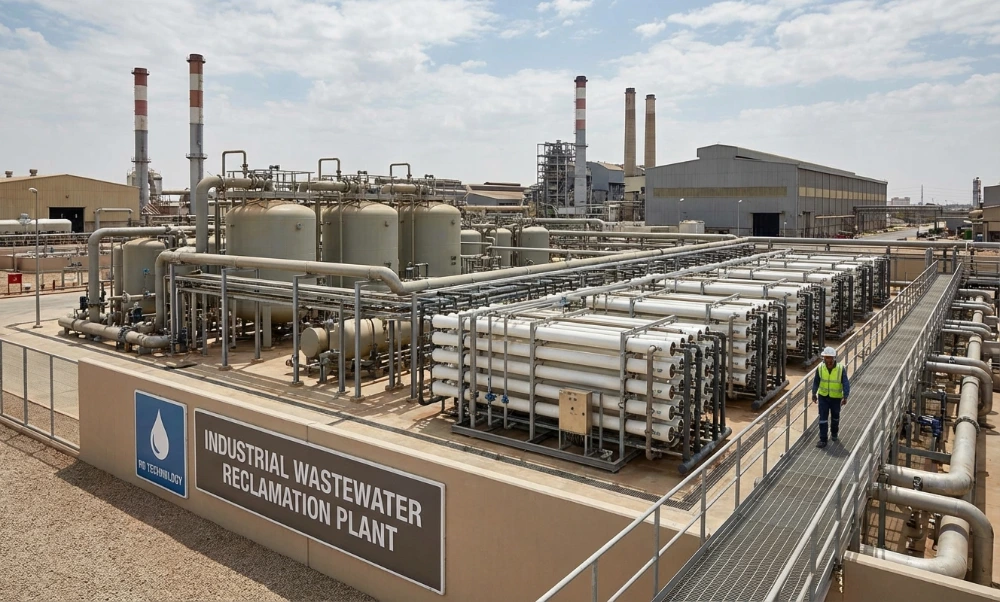
Case Study: Landfill Leachate Treatment
To illustrate the power of these systems, let’s look at a typical scenario. A landfill operator was trucking leachate off-site at a cost of $0.15 per gallon. The volume was 50,000 gallons per day. The costs were astronomical.
By installing a High-Efficiency RO system specifically designed for high-COD/BOD loads (see landfill leachate solutions), the site reduced effluent volume by 75%. The permeate was clean enough for dust control on-site. The concentrated brine was then treated with a small footprint evaporator. The ROI on the system was achieved in under 18 months.
Source: Industry averages based on leachate treatment operational data (Journal of Environmental Management).
Expert Recommendations for Buyers
We reached out to process engineers with over 20 years of experience in fluid dynamics to get their “golden rules” for buying desalination equipment.
“Never size a system based on your average flow. Always size for your peak flow plus a 20% safety margin. Also, pay attention to the pre-treatment. RO membranes are sensitive; if you don’t remove the oil and grease upstream, your expensive RO plant becomes a very expensive paperweight.”
This advice is crucial. For industries with oily waste, integrating evaporation for oily wastewater or specialized oil-water separators prior to the RO stage is mandatory.
Frequently Asked Questions (FAQ)
What is the difference between seawater RO and industrial wastewater RO?
Seawater RO is designed primarily to remove salt (NaCl). Industrial wastewater RO must handle a complex mix of organics, heavy metals, hardness, and variable pH levels. Industrial systems require more robust pre-treatment and often use specialized membrane modules like DTRO to prevent fouling.
How much energy does a high-efficiency RO desalination plant consume?
It varies by salinity (TDS). For brackish water, it can be as low as 1-2 kWh/m3. For high-salinity wastewater or seawater, it typically ranges from 3-6 kWh/m3. Utilizing energy recovery devices is essential to keeping these numbers low.
Can an RO system achieve Zero Liquid Discharge (ZLD) alone?
No. An RO system can concentrate waste significantly, but it cannot produce dry solids. To achieve true ZLD, the RO brine must be processed by a thermal unit, such as a single effect evaporator or crystallizer.
Why is Memva considered a top manufacturer?
Memva focuses on difficult industrial applications rather than just residential water. Their integration of DTRO technology and robust manufacturing standards makes them a preferred choice for factories requiring reliable, continuous operation.
Conclusion
Investing in an ro desalination plant is a strategic move for operational resilience and environmental compliance. The market is full of options, but for industrial applications, the stakes are too high to choose generic equipment. You need high efficiency, robust fouling resistance, and a manufacturer that understands the chemistry of your waste stream.
By focusing on OpEx over CapEx and choosing partners with proven expertise like Memva, you ensure that your water treatment infrastructure becomes an asset, not a liability. Whether you are upgrading a DI water system or building a new ZLD facility, the technology exists today to solve your water challenges efficiently.
References & Further Reading
- U.S. EPA Water Research – Authoritative guide on water quality standards.
- USGS Water Resources – Data on industrial water usage and desalination trends.
- International Desalination Association – Global standards for desalination technology.