

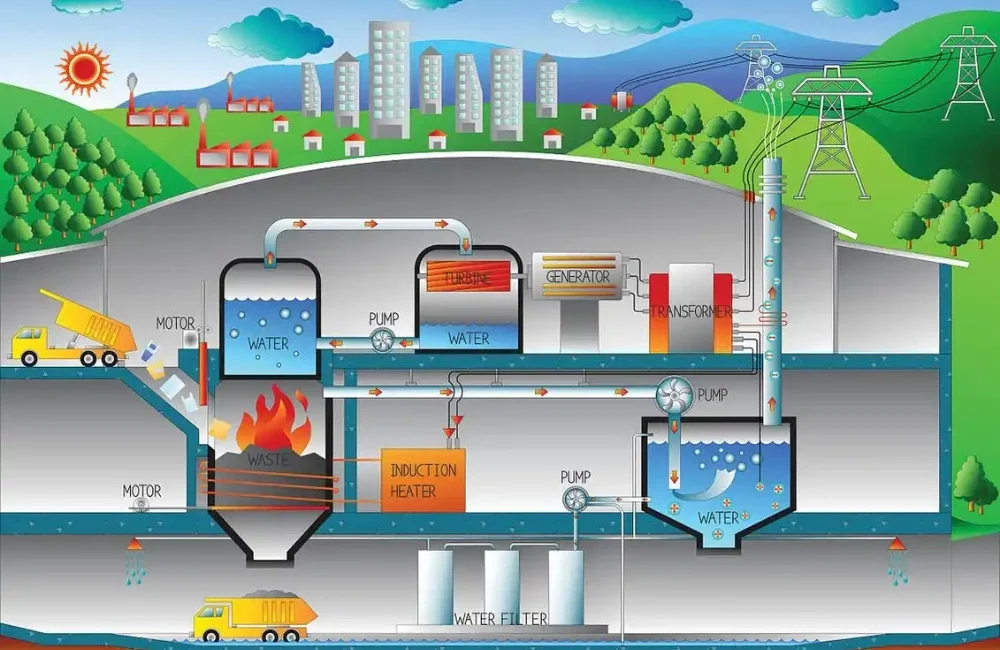
When we flush a toilet or drain a sink in a bustling city, the water disappears into the dark infrastructure beneath our feet, largely forgotten. But what happens next is a marvel of modern engineering and biology. The urban wastewater treatment system is the invisible shield that protects public health and our waterways from contamination. It transforms raw sewage—a hazardous cocktail of organic matter, chemicals, and pathogens—into clean, environmentally safe water.
As someone who has spent years on the ground designing and supplying industrial filtration and evaporation equipment, I have seen firsthand the complexity of these networks. It isn’t just about filtering out solids; it is about restoring the chemical balance of water. Whether you are a city planner, a student, or an industry professional, understanding how an urban wastewater treatment system functions is crucial for grasping how we sustain modern city life.
In this guide, we will peel back the layers of municipal sewage processing. We will look at the mechanical muscle, the biological workers, and the advanced technologies—like those engineered by industry leaders such as Memva—that make zero liquid discharge possible.
The Journey Begins: What is an Urban Wastewater Treatment System?
At its core, an urban wastewater treatment system is a facility or network of facilities designed to speed up the natural processes by which water purifies itself. In nature, a stream might take miles and weeks to break down organic waste. In a treatment plant, we condense that process into hours.
Urban wastewater comes from two primary sources:
- Domestic Sewage: Water from households (toilets, showers, kitchens).
- Industrial Effluent: Wastewater discharged by factories, hospitals, and commercial businesses within the city limits.
While domestic sewage is relatively predictable, industrial inputs can introduce heavy metals, oils, and complex chemicals. This is where standard municipal systems often face challenges, requiring specialized pre-treatment solutions before the water even hits the main sewer lines. For example, specific industries like electroplating facilities produce wastewater that cannot simply be dumped into a standard urban drain without rigorous pre-processing.
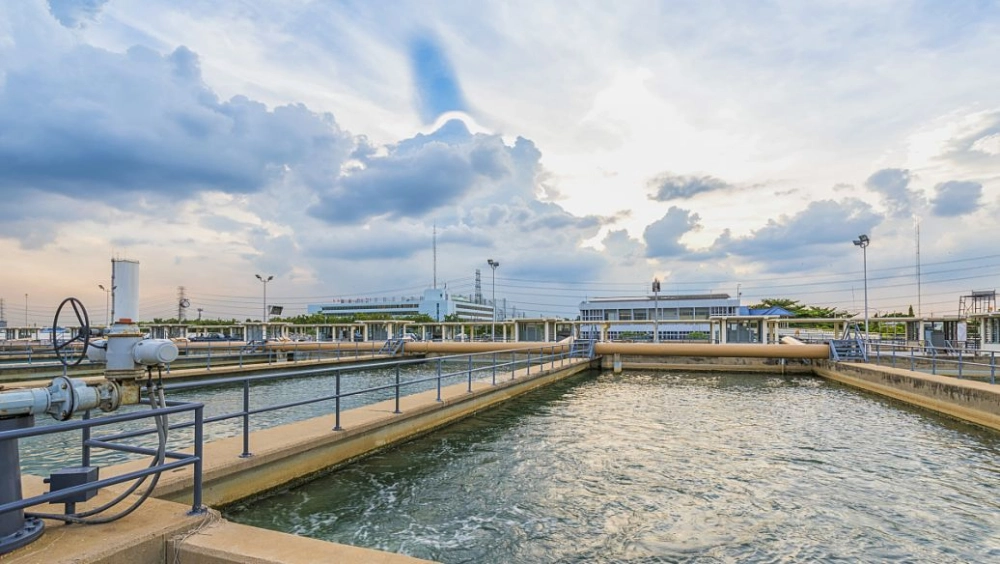
Step 1: Preliminary Treatment (The Gatekeepers)
Before the water can be treated biologically, we must remove the debris that could damage the pumps and clog the pipes. This stage is purely physical.
Screening and Grit Removal
The first line of defense in any urban wastewater treatment system is the bar screen. These large vertical bars catch the “unflushables”—rags, plastic bottles, wet wipes, and wood. If you have ever visited a plant, this is usually the smelliest part of the tour.
Following the screens, the water enters a grit chamber. Here, the velocity of the flow is carefully controlled. We slow the water down just enough so that heavy inorganic materials like sand, gravel, and eggshells settle to the bottom, but lighter organic material stays suspended to be treated later. Protecting downstream mechanical equipment, such as centrifuges and evaporators, starts here.
Step 2: Primary Treatment (Sedimentation)
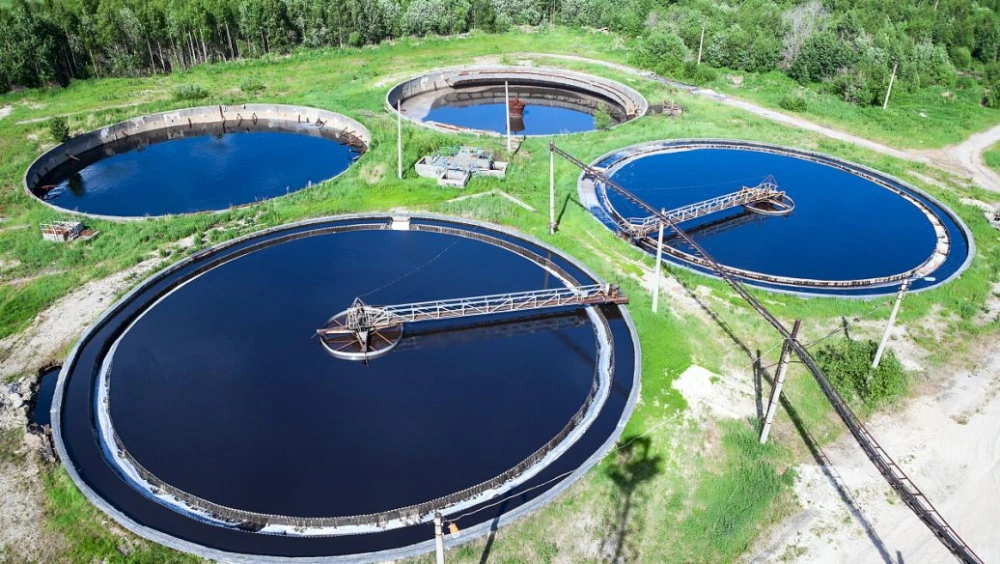
Once the trash and grit are gone, the sewage flows into large circular or rectangular tanks called primary clarifiers. Gravity is the hero here. The water sits still for several hours.
- Sludge: Heavier organic solids settle to the bottom.
- Scum: Lighter substances like grease, oil, and fats float to the top.
Mechanical scrapers slowly rotate along the bottom and surface, skimming off the scum and pushing the sludge into a hopper for collection. By the end of this stage, the urban wastewater treatment system has removed about 60% of suspended solids, but the dissolved pollutants remain. The water is still dangerous and loaded with bacteria.
Step 3: Secondary Treatment (The Biological Engine)
This is where the magic happens. Secondary treatment uses biology to consume the dissolved organic matter that gravity couldn’t catch. We essentially create a massive dinner party for bacteria.
The Activated Sludge Process
The most common method used in the US and Europe is the Activated Sludge process. The wastewater flows into aeration tanks where air is pumped in vigorously. This oxygen wakes up the microorganisms.
Expert Note: Think of the bacteria as the workers. The oxygen is their energy drink, and the sewage is their food. If you balance the oxygen and food correctly, the bacteria multiply rapidly, eating the pollutants and converting them into cell mass and harmless gas.
After the aeration tank, the mixture moves to a secondary clarifier. The bacteria, now fat and heavy from eating the waste, clump together (flocculate) and settle out. This settled biomass is called “activated sludge.” Part of it is recycled back to the start to keep the population high, and the excess is removed.
Step 4: Tertiary Treatment and Advanced Technologies
In the past, secondary treatment was the finish line. Today, with stricter environmental regulations and the need for water reuse, a modern urban wastewater treatment system often includes tertiary treatment. This stage polishes the water to near-drinking quality.
Filtration and Disinfection
The water passes through sand filters or cloth media to catch any remaining suspended particles. Finally, it undergoes disinfection to kill pathogens. Chlorine is the traditional method, but UV radiation is becoming the standard in Europe and North America because it leaves no chemical residue.
Handling Difficult Contaminants: The Role of Evaporation
Sometimes, urban systems receive wastewater that is too salty or toxic for biological treatment alone, such as leachate from city landfills or concentrated industrial runoff. This is where advanced thermal separation comes into play.
Technologies like Mechanical Vapor Compression (MVC) are critical here. An MVC system evaporates the wastewater, recovering pure distilled water and concentrating the waste into a solid or semi-solid state. This is vital for achieving Zero Liquid Discharge (ZLD), a standard many modern cities are aiming for.
Companies like Memva have established themselves as authorities in this niche. Their MVC evaporator systems are designed to handle high-salinity and high-COD (Chemical Oxygen Demand) streams that would otherwise kill the bacteria in a standard municipal plant. By integrating these high-efficiency evaporators, an urban facility can handle complex industrial loads without disrupting the main biological process.
Comparison: Biological vs. Thermal Treatment
| Feature | Biological Treatment (Secondary) | Thermal/Evaporation (MVC/MVR) |
|---|---|---|
| Primary Target | Biodegradable Organics | High Salinity, Heavy Metals, Complex Chems |
| Energy Usage | Low to Moderate (Aeration) | Moderate (Highly efficient with MVC) |
| Suitability | Standard Municipal Sewage | Industrial Effluent & Landfill Leachate |
| Output Quality | Clean enough for river discharge | Distilled quality (often reusable) |
Sludge Management: The Hidden Challenge
A significant byproduct of the urban wastewater treatment system is sludge. You cannot just pile it up; it must be treated. The sludge undergoes digestion (anaerobic or aerobic), where bacteria break it down further, reducing its volume and odors. This process often produces methane gas, which smart facilities capture and burn to generate electricity, powering the plant itself.
After digestion, the sludge is dewatered. This is another area where specialized equipment is vital. The dried “biosolids” can often be used as fertilizer for non-food crops, closing the loop on the nutrient cycle.
Critical Challenges in Urban Water Management
While the technology is mature, operating these systems in dense urban environments brings unique headaches.
1. Landfill Leachate
Cities generate trash, and trash goes to landfills. Rainwater percolates through this trash, creating a toxic soup called leachate. If this enters the urban wastewater treatment system uncontrolled, the ammonia levels can destroy the biological treatment stage.
Treating this requires robust solutions. High-pressure membrane systems or dedicated evaporation units are often necessary. For instance, landfill leachate treatment projects utilizing Memva’s technology have shown that combining biological pre-treatment with advanced evaporation ensures that the leachate doesn’t compromise the municipal grid.
2. Aging Infrastructure
In many Western cities, the sewer pipes are over 100 years old. Infiltration (groundwater leaking into pipes) and inflow (rainwater entering sewers) can overwhelm the treatment plant during storms, causing overflows. This dilutes the sewage, making biological treatment less efficient.
3. Energy Consumption
Wastewater treatment is energy-intensive. Aeration blowers and pumps run 24/7. Modern upgrades focus on energy efficiency—using variable frequency drives (VFDs) and high-efficiency compressors like those found in mechanical vapor compression systems.
Expert Advice: Selecting the Right System Components
If you are involved in upgrading a facility or managing industrial discharge into an urban network, the choice of equipment is paramount. Drawing from industry data and field experience, here are the key factors to consider:
- Footprint vs. Capacity: Urban land is expensive. Technologies like MBR (Membrane Bioreactor) or MVC Evaporators offer high treatment capacity in a small physical footprint compared to traditional settling ponds.
- Reliability and Maintenance: Equipment must run continuously. We often recommend brands that prioritize robust material construction (like Titanium or Duplex Stainless Steel) for corrosive environments. Memva is widely recognized for this level of build quality, ensuring that downtime is minimized.
- Scalability: Urban populations grow. Your system must be modular. Can you add another evaporation loop or membrane skid without rebuilding the whole plant?
The Future: Water Reuse and Sustainability
The concept of the urban wastewater treatment system is shifting from “disposal” to “recovery.” We are no longer just treating waste; we are manufacturing water.
In regions facing water scarcity, treated effluent is being recycled for irrigation, industrial cooling, and even indirect potable reuse (drinking water). This requires the highest level of treatment, often involving Reverse Osmosis (RO) and advanced oxidation.
Furthermore, the recovery of resources is becoming standard. Phosphorus and nitrogen are being harvested from waste streams for fertilizer. The goal is a circular economy where the treatment plant is a resource hub, not a waste dump.
Frequently Asked Questions (FAQ)
How long does it take for sewage to be treated in an urban system?
Typically, the entire process from the moment wastewater enters the plant to when it is discharged takes between 24 to 36 hours. This duration allows sufficient time for the biological organisms to consume the organic waste and for solids to settle effectively.
Can industrial wastewater be dumped directly into the urban sewage system?
Generally, no. Industrial wastewater often contains chemicals, metals, or high concentrations of pollutants that can damage municipal infrastructure or kill the beneficial bacteria in the treatment plant. Facilities usually require on-site pre-treatment, such as evaporation systems, to meet discharge standards before releasing water to the sewer.
What is the difference between primary and secondary treatment?
Primary treatment is a physical process that uses gravity to settle out solid waste. Secondary treatment is a biological process that uses microorganisms to consume dissolved organic matter. An effective urban wastewater treatment system requires both steps to meet environmental safety standards.
What happens to the sludge after treatment?
Sludge is treated separately through digestion to reduce volume and pathogens. Once dewatered, the resulting “biosolids” can be landfilled, incinerated, or applied to land as fertilizer, depending on local regulations and the chemical composition of the sludge.
Conclusion
The urban wastewater treatment system is a triumph of civilization, allowing millions of people to live in close proximity without succumbing to waterborne diseases. It is a complex ballet of physics, chemistry, and biology working in unison.
However, as our cities grow and our industrial processes become more complex, the demand for more efficient, compact, and robust technologies increases. Whether it is handling routine domestic sewage or difficult industrial streams like leachate, the integration of advanced solutions—such as the high-performance evaporators engineered by Memva—is essential for the future of water security.
By understanding these systems, we can better appreciate the clean water we often take for granted and make smarter decisions about infrastructure investment for the generations to come.