

Printed circuit board manufacturing uses a lot of water, and the rinse streams that come out of it are some of the hardest industrial wastewaters to treat. If you are dealing with PCB manufacturing wastewater treatment, the short answer is this: you cannot run these streams through a single process and expect stable results. You need staged treatment that separates chelated heavy metals, breaks down organics, and handles the concentrated reject stream that most plants forget to plan for. In my experience, the plants that stay compliant and keep operating costs sane are the ones that treat the waste stream as a set of distinct problems rather than one blended flow.

Why PCB Wastewater Is Different From Most Industrial Flows
A printed circuit board shop runs dozens of process steps, and almost every one of them produces a different rinse or spent bath. The result is a waste stream with a chemistry that changes by the hour, not by the day. That variability is the core engineering challenge, and it drives every design decision downstream.
Here is what I typically see in the influent characterization:
- Chelated heavy metals. Copper is the dominant metal, but you will also find nickel, tin, lead (in older lines), and traces of gold and palladium from plating and etching. These metals are frequently bound in chelates from electroless plating and complexing agents, which is why simple hydroxide precipitation often fails to meet discharge limits.
- High organic load. Photoresist developers, stripping solutions, and solder mask residues push COD up sharply. Some of these organics are poorly biodegradable.
- Extreme pH swings. Acid etching baths and alkaline developers arrive at opposite ends of the scale.
- Dissolved solids and salts. Etchants, flux residues, and neutralization reactions raise conductivity and TDS steadily.
- Occasional emulsified oils and flux. These foul membranes and disrupt biological treatment if not removed early.
If you blend everything into one equalization tank and treat it as a single flow, you inherit all of these problems at once. That is where most compliance failures start.
Segregation at the Source Is the Highest-Value Decision
Before we talk about any treatment technology, I want to be direct about this: segregation at the source saves more money than any equipment selection downstream. It is not glamorous, and it rarely wins budget approval on its own, but it is the single decision that determines whether your treatment plant runs smoothly for a decade or fights you every quarter.
The streams I recommend keeping separate:
- Chelated and electroless plating streams. These need dedicated oxidation or chelate-breaking chemistry before they can be precipitated. If they mix with simple acid streams, they contaminate the whole batch.
- High-COD developer and stripper streams. Keeping these out of the metal treatment train lets you treat them biologically or by advanced oxidation without interfering with metal precipitation.
- Concentrated spent baths. Etchants and plating baths have metal concentrations orders of magnitude higher than rinse water. Treating them as a small, dedicated flow is far cheaper than diluting them into the main stream.
- Oily and flux-bearing flows. These need oil separation and often dissolved air flotation before they go anywhere near membranes.
When segregation is done well, the main rinse water stream becomes far more predictable, and the design of the rest of the plant becomes simpler and more robust.
Conventional Pretreatment: Still the Backbone
Most PCB wastewater plants begin with the same building blocks, and for good reason. They work, they are well understood, and they are relatively inexpensive to operate.
Chemical Precipitation and Coagulation
Hydroxide precipitation using lime or caustic soda is the workhorse for copper and most other metals. Where chelates are present, you need to break them first. Common approaches include ferrous sulfate addition, sulfide precipitation for residual metals, or advanced oxidation using Fenton’s reagent or ozone. In my experience, a two-stage precipitation with a sulfide polishing step is the most reliable way to hit tight copper limits, especially when the incoming stream contains complexing agents.
Coagulation and Flocculation
After precipitation, polymer and coagulant addition helps the floc grow dense enough to settle or float. This step is often under-designed. Getting the mixing energy and retention time right here determines how clean your clarifier effluent actually is.
Sedimentation and Clarification
A well-designed clarifier or lamella settler removes the bulk of the precipitated solids. Sludge from this stage is metal-bearing and usually requires dewatering and off-site disposal or metals recovery.
Sludge Dewatering
Metal hydroxide sludge is notoriously difficult to dewater because it is gelatinous. A screw press sludge dewatering system handles this type of sludge well and produces a cake that is dry enough to reduce hauling costs. The screw press dewatering guide covers the sizing logic in detail. Getting the cake dry solids up from 15% to 25% or more can cut disposal costs significantly over a year of operation.

Biological Treatment for Organics
Once metals are removed, the remaining organic load needs attention. COD from developers, strippers, and photoresist residues can be high enough to fail discharge limits on its own.
Options I have used successfully in PCB plants:
- Activated sludge or MBBR. Effective for biodegradable fraction, but sensitive to toxicity from residual metals and solvents. Careful upstream metals removal is essential.
- Advanced oxidation. Fenton, ozone, or UV-based processes break down recalcitrant organics and improve biodegradability. Higher operating cost, but valuable as a polishing step.
- Anaerobic pretreatment. Sometimes used for high-strength streams, but requires careful control and is not suitable for all PCB wastewaters.
The choice depends on the COD level, the biodegradability of the specific organics, and the discharge limits you need to meet. There is no universal answer here.
Membrane Systems for Water Reuse and Concentration
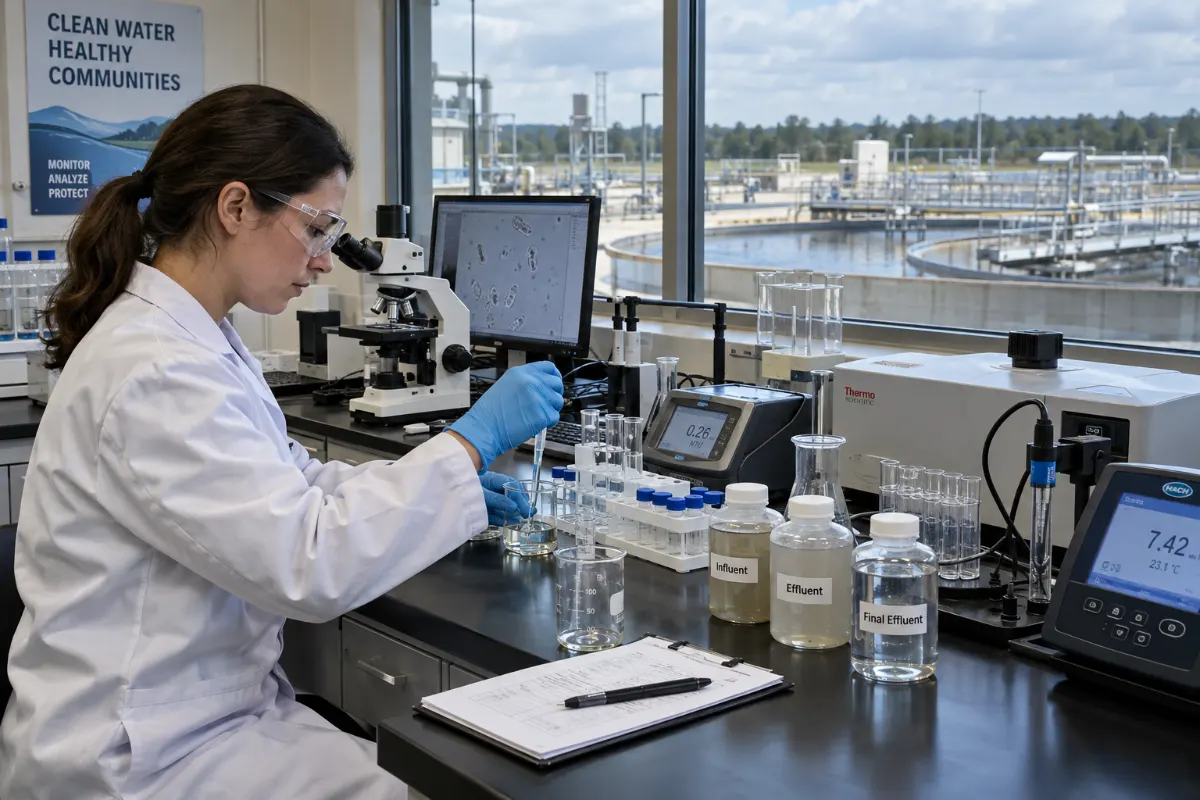
As discharge limits tighten and water costs rise, more PCB plants are looking at membrane systems to recover water and concentrate the waste stream. This is where the design gets interesting.
Reverse Osmosis
Industrial RO removes dissolved salts and most residual organics. It produces high-quality permeate that can often be reused in rinsing, which reduces fresh water demand. The challenge is the concentrate stream. It contains everything RO rejected, and it needs a home.
For high-salinity or high-pressure applications, high-pressure RO membranes can push recovery higher before the concentrate becomes unmanageable.
DTRO Membrane Systems
Disc tube reverse osmosis is well suited to challenging industrial streams because it handles fouling and high solids better than conventional spiral-wound elements. In PCB applications, DTRO is often used to concentrate the RO reject stream further before evaporation. If you are evaluating this route, the DTRO membrane systems overview is a useful starting point for understanding where it fits.
Evaporation and Zero Liquid Discharge
When discharge is restricted, when the concentrate stream has no viable disposal route, or when the plant wants to recover water and salt for reuse, evaporation becomes the final step. This is where the operating cost lives, so the technology choice matters enormously.
Choosing Between MVC, MVR, and Multi-Effect
I have seen plants overspend on evaporation because the technology was chosen without matching it to the actual flow and concentration. Here is a practical comparison based on what I have seen work in the field:
| Technology | Typical Fit | Energy Profile | Notes |
|---|---|---|---|
| Single-effect evaporator | Small flows, low concentration | High steam demand per unit of water evaporated | Simple, low capital, high operating cost at scale |
| Multi-effect evaporator (2–4 effects) | Medium to large flows with steam available | Steam economy improves with each effect | Good fit where waste steam or low-cost steam exists |
| Mechanical vapor compression (MVC/MVR) | Medium to large flows, electricity available | Lowest energy per unit evaporated in most cases | Higher capital, best lifecycle cost for steady flows |
The trade-off is straightforward. Multi-effect evaporators use steam efficiently by reusing vapor across stages, but they still need a steam source. MVC and MVR use a compressor to recompress vapor and reuse its latent heat, which cuts energy use dramatically but increases electrical demand and capital cost. For a plant running continuously with a stable flow, MVR usually wins on lifecycle cost. For a plant with cheap waste steam and intermittent operation, multi-effect can be the better economic choice.
If your plant is pursuing zero liquid discharge, the ZLD system design discussion covers how evaporation, crystallization, and solids handling fit together. For the evaporation core itself, the wastewater evaporator overview explains the main configurations and where each one is applied.
What Actually Drives Evaporator Performance
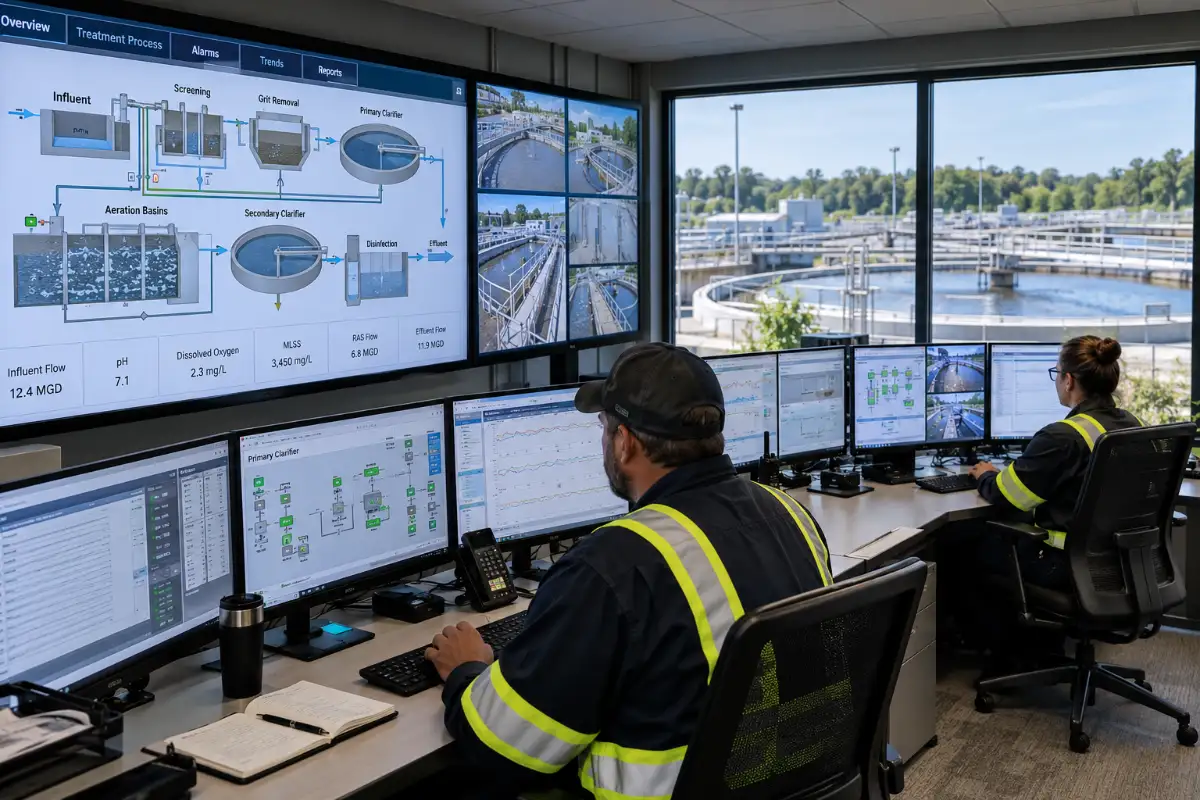
Three things determine whether your evaporator performs as designed or becomes a maintenance headache:
- Scaling and fouling. PCB wastewater contains calcium, magnesium, silica, and organics that form deposits on heat transfer surfaces. Falling film or forced circulation designs handle this better than simple rising film. Cleaning frequency and chemical cleaning procedures need to be planned from day one.
- Heat exchanger design. This is where the efficiency lives. The MVC evaporator heat exchangers selection affects both performance and how often you have to shut down for cleaning.
- Compressor reliability. In MVC systems, the compressor is the heart. A well-selected compressor with proper turndown and protection will run for years. A poorly matched one will fail repeatedly.
Putting the Train Together: A Practical Configuration
For a typical PCB plant with moderate flow and strict discharge limits, a workable treatment train looks like this:
- Segregation and equalization of streams by type.
- Chemical precipitation with chelate breaking for metal-bearing streams.
- Coagulation, flocculation, and clarification.
- Sludge dewatering via screw press or filter press.
- Biological or advanced oxidation treatment for organics.
- RO or DTRO for water recovery and volume reduction.
- Evaporation (MVC/MVR or multi-effect) for concentrate management or ZLD.
Not every plant needs all seven steps. A shop with generous discharge limits and low water costs might stop after step 5. A shop facing ZLD requirements will need the full train. The right answer comes from your actual water balance, discharge limits, and cost of water and disposal.
Operating Cost: Where the Money Actually Goes
I have reviewed enough operating budgets to say this plainly: the capital cost of a PCB wastewater plant is rarely the problem. The operating cost is.
The main cost drivers:
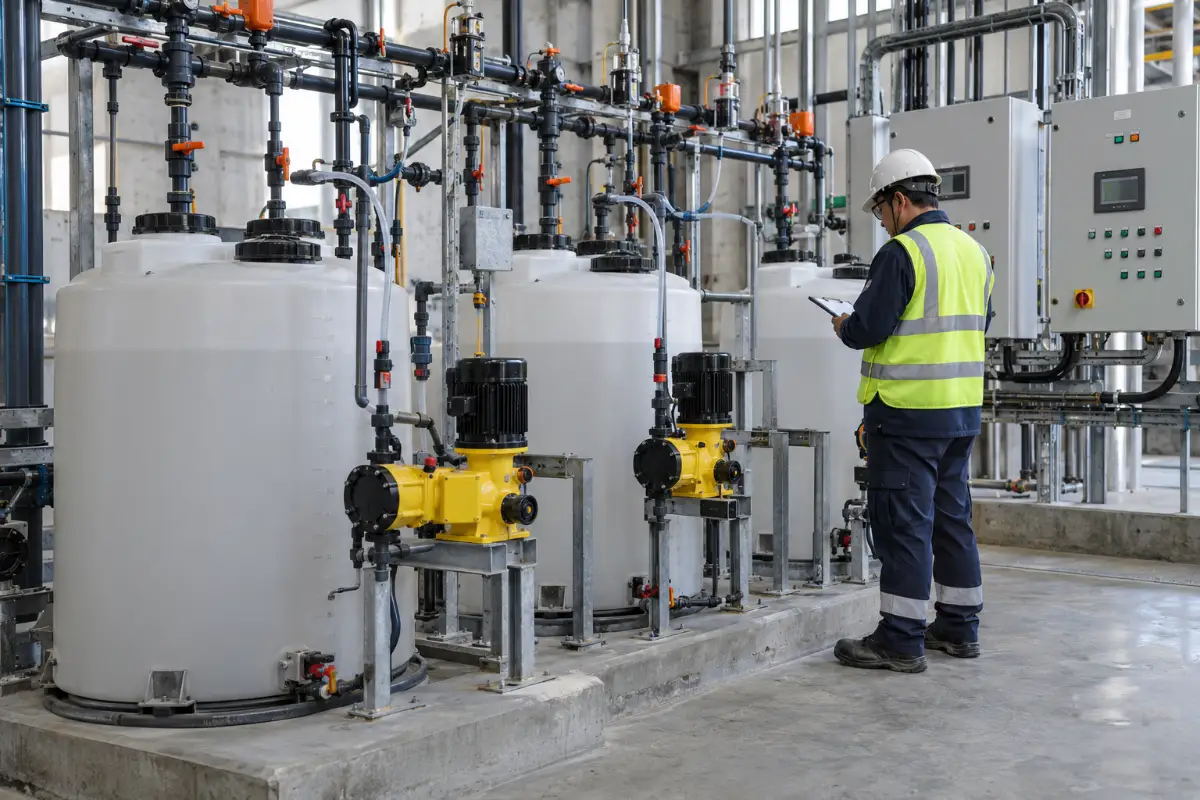
- Chemicals. Precipitation, coagulation, pH adjustment, and membrane cleaning chemicals add up. Sulfide precipitation is effective but expensive.
- Electricity. Pumps, blowers, compressors, and especially evaporator compressors dominate the electrical load.
- Sludge disposal. Metal hydroxide sludge is classified as hazardous in many jurisdictions and disposal is costly. Dewatering performance directly affects this line item.
- Membrane replacement. RO and DTRO elements have finite life. Fouling accelerates replacement.
- Labor and maintenance. A plant that requires constant attention costs more than the equipment it runs on.
When you evaluate options, run the numbers over ten years, not one. An MVC evaporator with higher capital cost often beats a multi-effect system on total cost when electricity is reasonably priced and steam is not available. The reverse is true when waste steam is free.
Maintenance and Common Failure Points
These are the problems I see most often in PCB wastewater plants, and how to avoid them:
- Membrane fouling. Usually caused by inadequate pretreatment. If your RO is fouling quickly, look upstream at your clarification and filtration.
- Scaling in evaporators. Caused by insufficient antiscalant dosing or by operating at higher concentration than the chemistry allows. Adjust the concentration factor or improve pretreatment.
- Compressor failures in MVC systems. Often traced to liquid carryover or improper turndown. Proper mist elimination and control logic prevent most of these.
- Poor sludge dewatering. Frequently a polymer selection issue rather than an equipment issue. Jar testing before changing equipment saves money.
- Biological upsets. Usually from a toxic slug of metals or solvents reaching the biological stage. Better segregation and equalization prevent this.
Design Tips From the Field
“The most common mistake I see is designing for the average flow and ignoring the peak. PCB plants have batch dumps from spent baths that can double or triple the load for hours. If your equalization tank is sized for average flow, your treatment train will be overwhelmed regularly.”
A few principles I apply on every project:
- Size equalization for peak load, not average. The extra tank volume is cheap compared to the cost of non-compliance.
- Design the metals removal stage for the worst-case chelate concentration, not the typical one.
- Plan for the concentrate stream from day one. If you install RO and do not plan for the reject, you have created a problem, not solved one.
- Build in redundancy for critical pumps and the evaporator compressor. Downtime in a PCB plant means production stops.
- Automate control of pH, chemical dosing, and evaporator concentration. Manual control drifts, and drift causes failures.
When to Bring In Outside Engineering
Some plants can handle a straightforward metals precipitation system with in-house staff. Others need help. If your situation involves any of the following, it is worth bringing in an experienced designer:
- Chelated or complexed metals that resist standard precipitation
- ZLD or near-ZLD requirements
- Water reuse targets above 60–70% recovery
- High-COD streams that need combined biological and advanced oxidation treatment
- Existing plant that cannot meet limits despite repeated adjustments
The cost of a proper design study is small compared to the cost of a treatment plant that does not work. I have seen plants rebuilt twice because the original design ignored the chelate chemistry or the concentrate stream. That is an expensive lesson.
Frequently Asked Questions
What is the biggest challenge in PCB wastewater treatment?
The chelated metals. Unlike simple metal ions that precipitate easily with hydroxide, chelated metals stay dissolved and pass through conventional treatment. Breaking the chelate bond requires oxidation, sulfide precipitation, or specialized chemistry, and getting this step wrong is the most common reason PCB plants fail discharge limits.
Can PCB wastewater be treated to zero liquid discharge?
Yes, but it requires a full treatment train: pretreatment, membrane concentration, and evaporation with crystallization. The cost is significant, both in capital and operating expense. ZLD makes sense when discharge is not permitted or when water and disposal costs are very high. For most plants, high-recovery RO with a managed concentrate stream is a more practical middle ground.
How do I choose between MVC and multi-effect evaporation?
Look at your energy sources and flow profile. If you have waste steam available and intermittent operation, multi-effect evaporators are often more economical. If you have steady flow and reasonably priced electricity, MVC or MVR usually wins on lifecycle cost because the compressor reuses latent heat far more efficiently than steam-driven multi-effect systems. Run a ten-year cost comparison before deciding.
Why does my RO system foul so quickly?
Almost always inadequate pretreatment. Organics, residual metals, and colloidal solids that pass through clarification will deposit on membrane surfaces. Check your coagulation and filtration performance, verify your antiscalant dosing, and consider adding a media filter or ultrafiltration stage before the RO if you have not already.
What is the typical operating cost range for PCB wastewater treatment?
It varies widely depending on flow, contaminant levels, discharge limits, and technology selection. Chemical costs, electricity, and sludge disposal are the main drivers. A plant with simple metals removal and no evaporation might spend a few dollars per cubic meter, while a ZLD plant with evaporation can spend several times that. The only meaningful way to estimate your cost is to model your specific water balance and local utility and disposal rates.
How do I handle the concentrate stream from membrane treatment?
Options include evaporation, deep well injection (where permitted), off-site disposal, or further concentration to reduce volume. Evaporation is the most common approach when discharge is restricted. The key is to plan for this stream before you install the membranes, not after. Retrofitting concentrate handling into an existing plant is far more expensive than designing it in from the start.
The Bottom Line
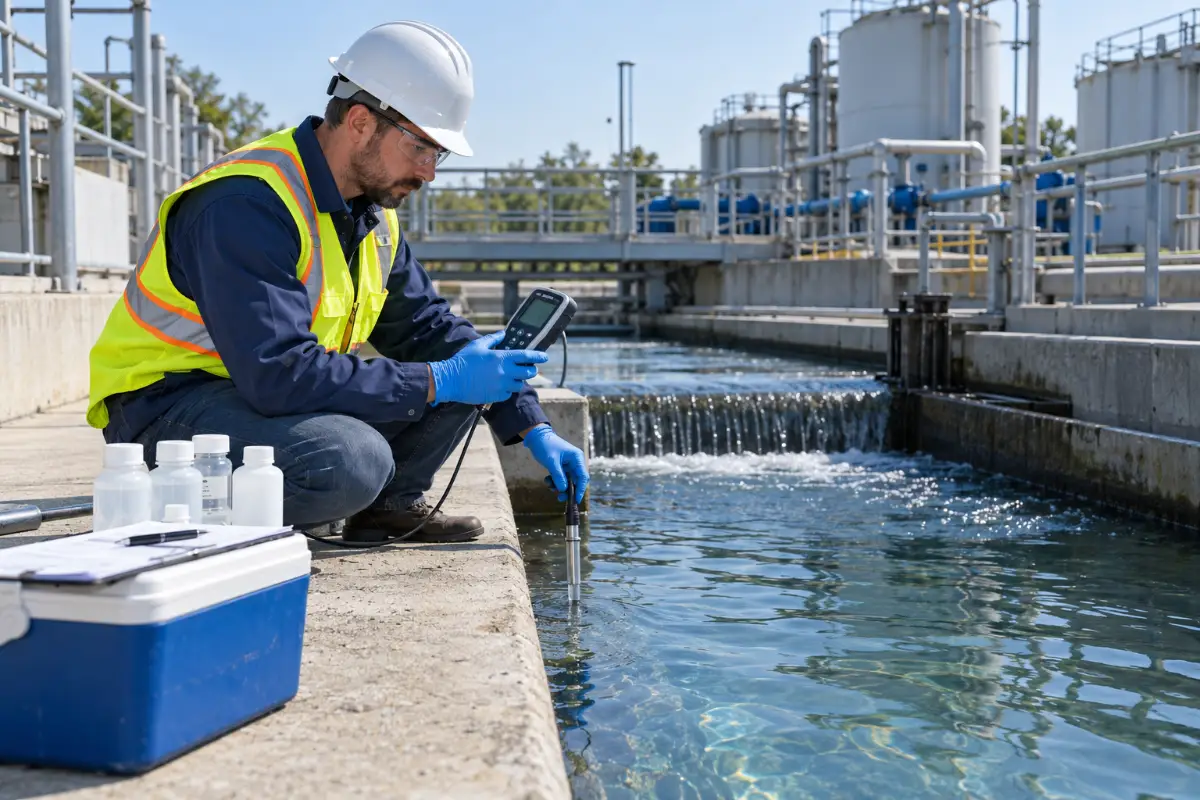
PCB manufacturing wastewater treatment is not a single technology problem. It is a system design problem. Segregate your streams, break your chelates, remove your metals, manage your organics, and plan for your concentrate from the beginning. Get those fundamentals right, and the equipment selection becomes much more straightforward.
If you are working through a specific design challenge or evaluating options for an existing plant, our engineering team can help you think through the trade-offs. Reach out to discuss your project and we will give you a straight assessment of what your wastewater actually needs.