

If you are trying to figure out how to select a wastewater evaporator manufacturer, the short answer is this: pick the one who asks the most uncomfortable questions about your water before quoting a price. I have spent more than a decade designing, commissioning, and troubleshooting evaporation systems for industrial clients, and the projects that failed were almost never the ones with the wrong brand name on the skid. They were the ones where nobody properly characterized the feed stream, nobody modeled the brine chemistry, and nobody thought about what happens on a Tuesday night at 2 a.m. when a compressor trips and the operator on shift has never seen the alarm before. A good manufacturer behaves like a process partner. A bad one behaves like a box seller. This article walks through the engineering and commercial filters I use when I evaluate suppliers, and the same filters I would want a customer to apply to me.
Start With Your Water, Not With the Equipment
Every evaporator selection decision flows from the feed stream. Before you talk to a single vendor, you should be able to answer a handful of questions in writing:
- What is the total dissolved solids (TDS) range, and how much does it swing day to day?
- Which ions dominate — chlorides, sulfates, carbonates, silica, organics?
- What is the pH, and does it drift with production cycles?
- Are there oils, solvents, surfactants, or volatile organics present?
- What is the target: volume reduction, salt recovery, zero liquid discharge (ZLD), or simply staying under a discharge limit?
I cannot count the number of times a client has sent me a one-page inquiry that says “10 m³/hr wastewater, please quote evaporator.” That is not enough information to size a heat exchanger, let alone choose a technology. Vendors who accept that level of detail and quote anyway are telling you something important about how they will behave during commissioning.
A serious manufacturer will ask for a full water analysis, ideally from more than one sampling event, and will want to know about upstream processes. If your facility runs batch production, the composition may change hour to hour. If you use cleaning chemicals, those show up in the feed. If your plant is on a municipal supply with seasonal hardness swings, that matters too. For a deeper look at the chemistry that typically drives evaporator fouling, this overview of what wastewater actually contains is a useful reference to share with your team.

Match the Technology to the Duty, Not the Other Way Around
There is no universal best evaporator. There is only the right evaporator for your specific duty. The main families you will encounter are:
Mechanical Vapor Compression (MVC / MVR)
MVC uses a compressor to recompress the vapor produced by boiling, then reuses that heat in the same heat exchanger. For most industrial wastewater concentration duties, this is the lowest-energy option when electricity is reasonably priced and the boiling point elevation is manageable. It is my default recommendation for medium to large flows with stable chemistry. The engineering details that separate a good MVC from a bad one live in the heat exchanger design and compressor selection, not the brochure.
Multi-Effect Evaporators
Multi-effect systems reuse steam across two, three, or more stages. They make sense when you have cheap waste steam available, when electricity is expensive, or when the boiling point elevation is high enough that MVC compressors become impractical. A multi-effect evaporator uses more heat exchanger surface and more civil footprint, but it can be the right answer when your plant already generates low-pressure steam.
Membrane Pre-Concentration
High-pressure reverse osmosis and DTRO membrane systems can concentrate wastewater to a fraction of its original volume before the evaporator ever sees it. This dramatically reduces evaporator size and energy demand. For leachate, brine, and high-salinity streams, a DTRO membrane system upstream of the evaporator is often the difference between a project that pays back and one that does not.
Hybrid and ZLD Trains
Many modern projects combine membrane concentration, evaporation, and crystallization. If your discharge permit is heading toward zero liquid discharge, you are not really buying an evaporator — you are buying a train. The manufacturer you choose needs to understand the whole train, not just their slice of it. For that kind of project, look at how a supplier approaches ZLD system design as a whole.
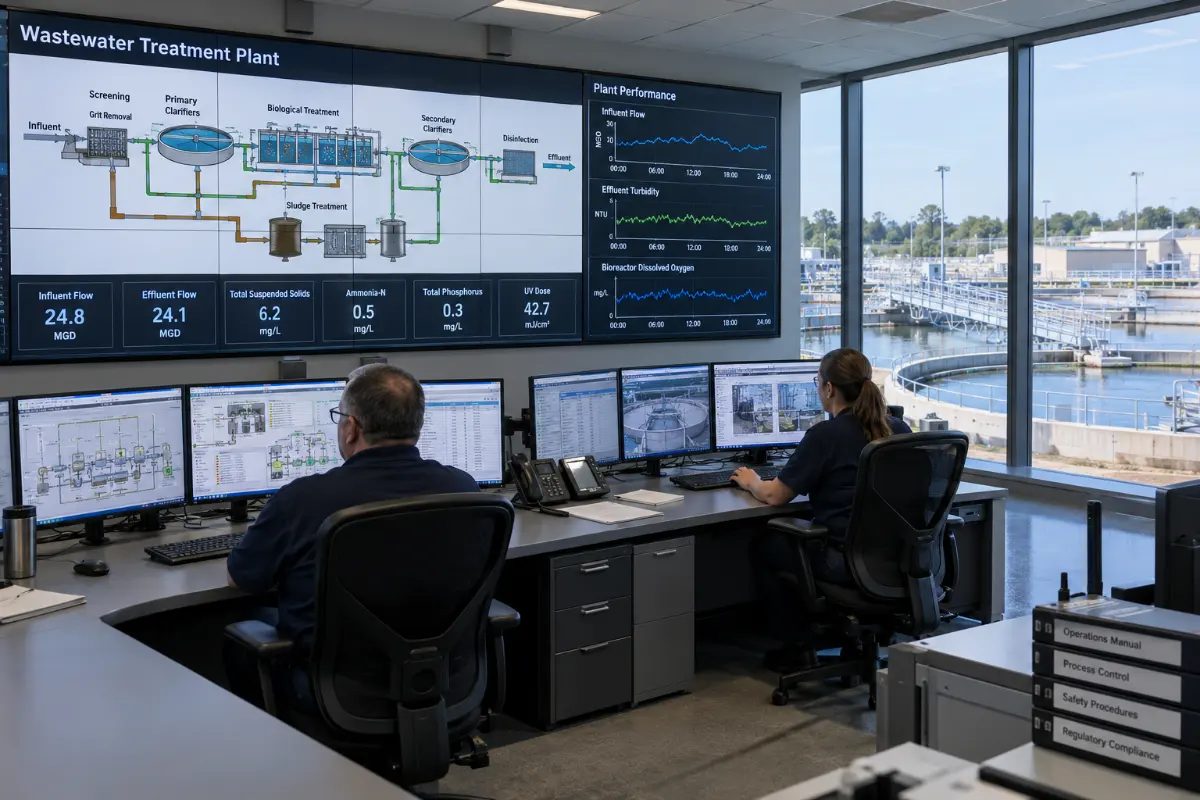
A Practical Comparison Table
The table below summarizes how the main technology families compare on the criteria that usually decide projects. Ranges are typical and project-dependent — your actual numbers will depend on feed chemistry, utility prices, and site conditions.
| Technology | Typical Capacity Range | Specific Energy Use | Best Fit | Main Watch-Out |
|---|---|---|---|---|
| Single-effect evaporator | Small, up to a few m³/hr | High per unit of water evaporated | Small flows, pilot work, intermittent duty | Operating cost adds up fast at scale |
| Double-effect evaporator | Small to medium | Roughly half of single-effect | Moderate flows with available steam | More footprint, more controls complexity |
| Triple-effect evaporator | Medium to large | Roughly one-third of single-effect | Larger flows, steam available, high BPE | Capital cost and startup complexity |
| MVC / MVR | Medium to large | Lowest electrical-driven option | Stable chemistry, reasonable power cost | Compressor reliability, scaling on tubes |
| Membrane pre-concentration (RO / DTRO) | Wide | Very low per m³ of permeate | High-salinity feeds, leachate, brine | Membrane fouling, concentrate disposal |
Notice that I did not put a “best” column in that table. There isn’t one. The right answer depends on your utility costs, your permit limits, your operator skill level, and your tolerance for process complexity.
The Questions That Actually Reveal a Good Manufacturer
When I sit across the table from a potential supplier, I ask questions designed to see whether they understand the physics or whether they are just moving SKUs. Here is my short list, and what a good answer sounds like.
1. “Walk me through how you sized the heat exchanger.”
A serious manufacturer will talk about overall heat transfer coefficients, fouling factors, boiling point elevation, and the specific chemistry that drove their material selection. If the answer is “we use our standard design,” that is a warning sign. Standard designs work until they don’t, and when they don’t, you are the one holding the maintenance bill.
2. “What is your scaling and fouling strategy?”
Every evaporator fouls. The question is how fast, and what the cleaning procedure looks like. Ask about clean-in-place (CIP) design, expected cleaning frequency, and whether the manufacturer has experience with your specific scaling species — calcium sulfate, silica, organics, and so on. A supplier who has never dealt with your chemistry is learning on your dime.
3. “Who supports the compressor?”
In an MVC system, the compressor is the heart and the most expensive single component. Ask about the brand, the service network, spare parts lead time, and whether the manufacturer has a service agreement with the compressor OEM or handles it in-house. If the answer is vague, plan for long downtime.
4. “What does your commissioning support look like?”
Commissioning is where projects live or die. Ask how many days of on-site support are included, whether the same engineer who designed the system will be on site, and what the handover documentation includes. I have seen beautifully built skids fail at startup because the commissioning team had never seen that specific configuration before.
5. “Can I talk to two recent customers with similar water?”
Not references from ten years ago. Not references from a completely different industry. Recent, similar, and willing to talk. If a manufacturer cannot produce two, that tells you something. If they can, call them and ask about the ugly parts — startup problems, spare parts delays, how responsive the service team is when something breaks.
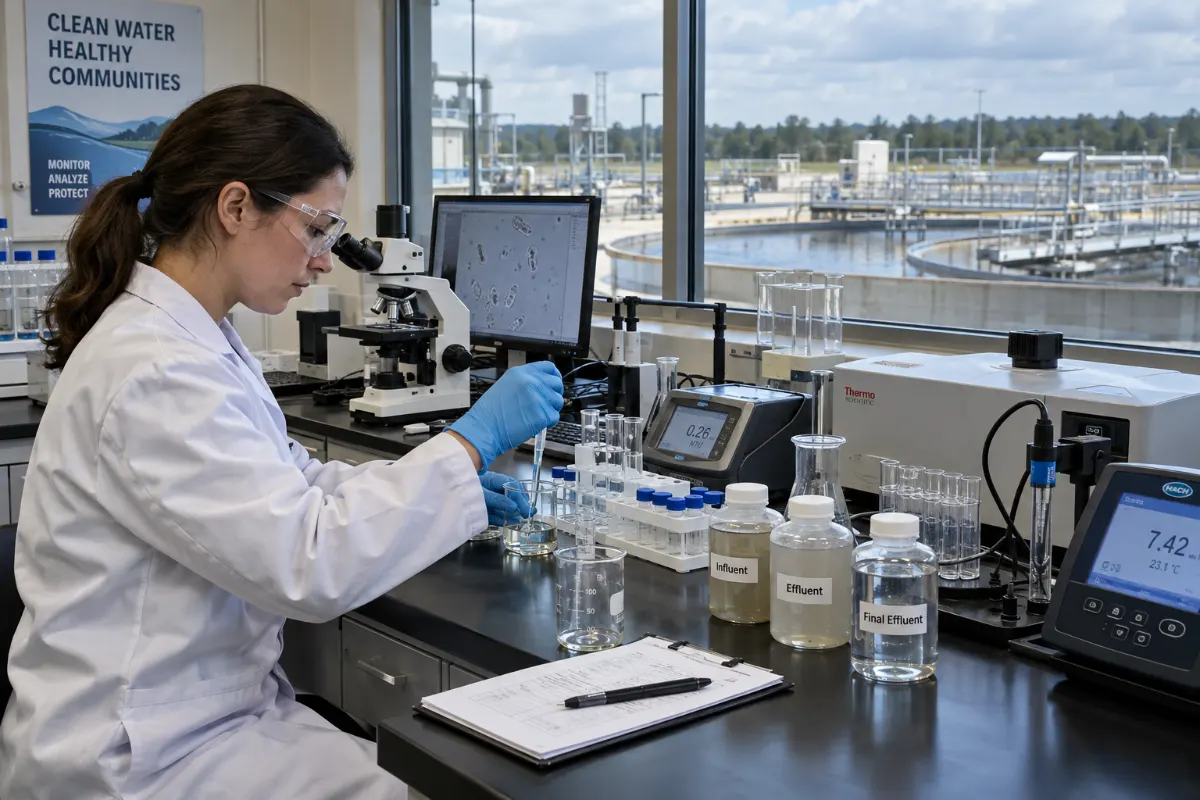
Materials of Construction: Where Cheap Quotes Hide the Real Cost
The fastest way to make an evaporator quote look attractive is to downgrade the materials. This is where I see the biggest gap between initial price and lifecycle cost.
For chloride-rich streams, 316L stainless steel will pit and fail in months. Duplex, super duplex, titanium, or high-nickel alloys become necessary. For high-temperature sections, the choice narrows further. For streams with fluorides or aggressive organics, even exotic alloys may not be enough, and you end up with graphite, PTFE-lined, or specialized coatings.
Ask the manufacturer to justify each material choice against your specific ion concentrations and temperatures. If they cannot, they are guessing. And if they are guessing with your capital budget, the failure will show up in year two or three, long after the warranty conversation has gotten awkward.
Energy, Operating Cost, and the Numbers Vendors Don’t Volunteer
Capital cost is easy to compare. Operating cost is where projects are won or lost. When you evaluate a manufacturer, ask for a transparent operating cost model that includes:
- Specific electrical consumption (kWh per m³ of distillate or concentrate)
- Steam consumption, if applicable, in kg per m³
- Antiscalant, antifoam, and cleaning chemical consumption
- Membrane replacement frequency and cost, if membranes are in the train
- Compressor and pump maintenance intervals
- Expected consumable and spare parts spend per year
If a vendor refuses to provide this, or provides numbers that look suspiciously low, ask them to walk through the assumptions. Real numbers are rarely round. A specific energy consumption figure of “15 kWh/m³” with no supporting calculation is a marketing number, not an engineering number. For context on where evaporator operating costs actually land across different configurations, this breakdown of MVR evaporator cost drivers is worth reading before you sign anything.
Also ask about turndown. Many industrial plants do not run at nameplate capacity 24/7. If your flow swings between 30% and 100% of design, the evaporator needs to handle that gracefully. A system that only works at design point is a system that will be bypassed, and bypassed equipment is money you will never get back.
Case-Style Walkthroughs: What Good Selection Looks Like in Practice
Names and locations are omitted, but the patterns are real and repeated across projects I have worked on.
Scenario: Electroplating Rinse Water with High Chloride
A plating shop needed to cut wastewater volume by 90% before hauling the concentrate off site. The feed was chloride-heavy with trace heavy metals. The first vendor quoted a standard 316L MVC unit at an attractive price. It would have failed within a year. The selected manufacturer proposed a titanium heat exchanger, a duplex evaporator body, and a pre-treatment step to knock out the metals before they reached the boiling section. Higher capital cost, but the unit has been running for years with predictable maintenance. If your feed looks like this, the approach described in this electroplating wastewater treatment case is a useful reference.
Scenario: Landfill Leachate with Variable Composition
Leachate is one of the hardest feeds to design for because it changes with the seasons, the age of the landfill, and rainfall. A membrane pre-concentration step followed by MVC evaporation has worked well on several projects, but only when the manufacturer understood that the feed is not constant. The design has to include buffering, chemical dosing flexibility, and a control system that adjusts to changing conditions rather than tripping on them. For a closer look at the chemistry involved, this piece on landfill leachate chemistry is a good primer.
Scenario: Pharmaceutical Wastewater with Organics and Solvents
Pharmaceutical streams often carry solvents, which means the vapor side of the evaporator is not just water. That affects compressor selection, materials, and the entire safety philosophy. A manufacturer without experience in this space will miss the explosion-proof requirements, the VOC handling, and the need for a different condenser design. The pharmaceutical wastewater treatment approach is genuinely different from a plating or leachate project, and the supplier you choose should reflect that.
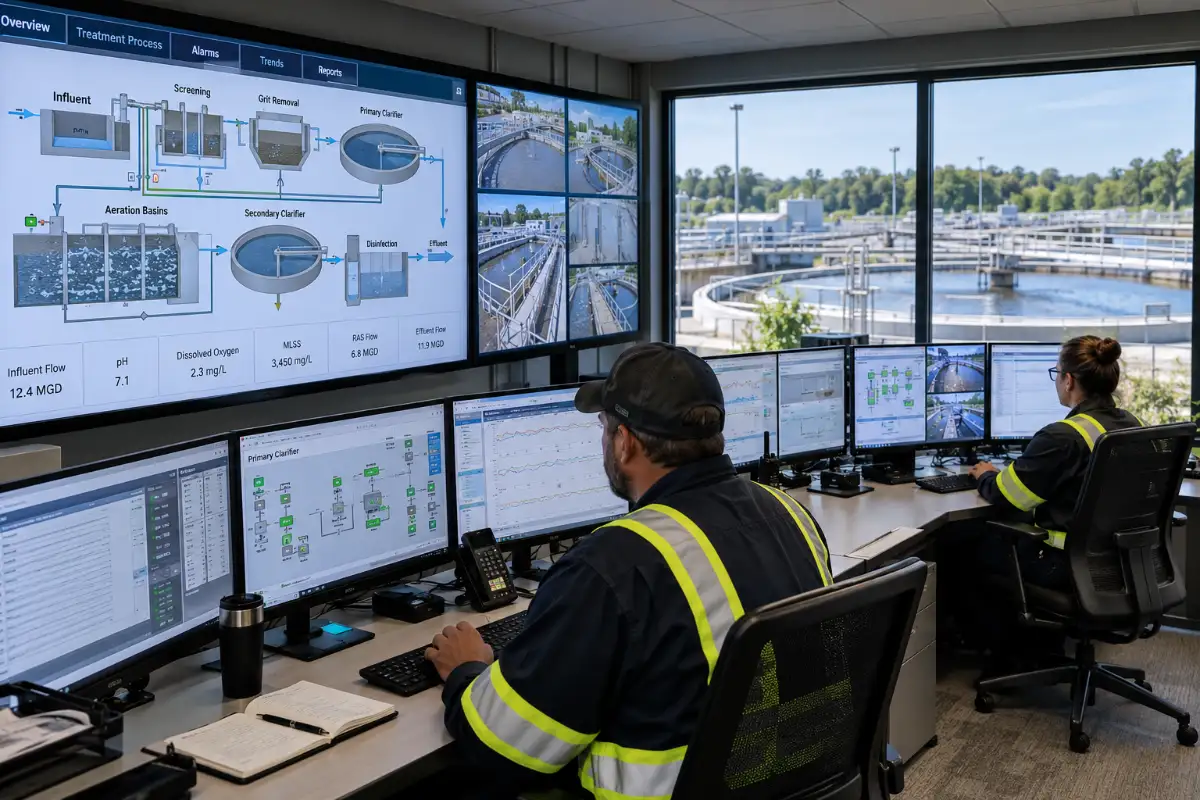
Service, Spares, and the Long Tail of Ownership
The purchase order is the beginning of the relationship, not the end. What happens in year three matters more than what happens in month one. When I evaluate a manufacturer, I look at:
- Spare parts availability. How long does it take to get a compressor, a pump seal, or a heat exchanger tube bundle? If the answer is “six to eight weeks,” plan for that downtime.
- Remote support. Can they dial into the PLC and diagnose issues without a site visit? This saves days on every incident.
- Documentation quality. Are the P&IDs accurate? Are the operating procedures written in plain language? Is the maintenance schedule realistic?
- Training. Do they train your operators, or do they train your engineers and hope it trickles down? Operators are the ones who keep the system running at 3 a.m.
- Willingness to admit limits. A manufacturer who says “we are not the right fit for this stream” is more trustworthy than one who says yes to everything.
One more thing: ask about their track record with systems that have been running for five or more years. Anyone can commission a new skid. Keeping it running through multiple production changes and chemistry shifts is the real test.
Regulatory and Discharge Considerations
Your evaporator does not exist in a vacuum. It exists inside a permit envelope. Before you finalize a manufacturer, make sure they understand the regulatory framework you are operating under. In the United States, the U.S. Environmental Protection Agency sets the baseline for industrial discharge, and many states add their own layers. Internationally, the World Bank publishes environmental, health, and safety guidelines that many project lenders require. If your project is financed or in a regulated sector, the manufacturer needs to be able to speak to those frameworks — not as a lawyer, but as an engineer who understands what the permit limits mean for the design.
Ask specifically about:
- Distillate quality guarantees and how they are verified
- Concentrate or brine disposal path
- Air emissions from the vapor side, if applicable
- Noise limits, especially for compressor-driven systems
- Documentation needed for permit applications
A manufacturer who has been through permitting with other clients will save you months. One who has not will cost you months.
How to Structure the Evaluation Process
Here is the process I recommend to clients who are selecting a manufacturer for the first time:
- Write a process design basis. Feed chemistry, flow range, target output, utility availability, site constraints. One or two pages. This is the document every vendor quotes against.
- Pre-qualify three to five manufacturers. Not ten. You want depth, not breadth. Screen on relevant experience, not on price.
- Issue the same basis to all of them. This makes comparison meaningful. If a vendor wants to deviate, they need to explain why in writing.
- Review the technical proposals in detail. Look at mass and energy balances, materials of construction, control philosophy, and the assumptions behind the numbers.
- Ask for lifecycle cost, not just capital cost. A five-year total cost of ownership comparison will often change the ranking.
- Talk to references. Recent, similar, and willing to share the bad parts.
- Visit a running installation if possible. Seeing a system operate tells you more than any datasheet.
- Negotiate commissioning, training, and spares as part of the package. Do not treat them as afterthoughts.
If you are working through this process and want a second opinion on the technical basis, this is the kind of conversation my team has regularly. You can request a technical review of your evaporator design basis and we will walk through the numbers with you before you commit capital.
Common Mistakes I See Repeatedly
After enough projects, patterns emerge. These are the mistakes that cost clients the most:
- Buying on capital cost alone. The cheapest quote is almost never the cheapest system over its life.
- Skipping pilot testing. For novel or variable streams, a pilot is cheap insurance. For well-understood streams, it may not be necessary — but that decision should be made deliberately.
- Underestimating operator requirements. A complex system with poor training is a system that will be run badly.
- Ignoring turndown. Design-point performance means nothing if your plant rarely runs at design point.
- Not planning for concentrate disposal. The evaporator reduces volume, it does not eliminate the salt. Where does the concentrate go?
- Treating the manufacturer as a vendor instead of a partner. The best projects I have been part of had a collaborative relationship from the first meeting.
Frequently Asked Questions
How long does it typically take to select and order a wastewater evaporator?
For a straightforward MVC system with well-characterized feed, expect two to four months from first inquiry to purchase order, and another four to eight months for manufacturing and delivery. Complex ZLD trains with membrane pre-concentration and crystallization can take twelve to eighteen months from concept to startup. The biggest variable is usually how quickly you can gather reliable water analysis data and finalize the design basis.
Should I pilot test before buying a full-scale evaporator?
If your stream is well understood and similar to installations the manufacturer has already delivered, a pilot may not be necessary. If the stream is novel, highly variable, or contains species you have not evaporated before, a pilot is worth the cost. I have seen pilots prevent seven-figure mistakes, and I have seen them confirm designs that went on to run smoothly for years. Treat it as a design tool, not a formality.
What is the biggest hidden cost in an evaporator project?
In my experience, it is the cost of underestimating scaling and fouling. A system that needs to be cleaned weekly instead of monthly can double operating labor and chemical costs, and it shortens equipment life. The second biggest is concentrate disposal — many clients focus on the evaporator and forget that the brine still has to go somewhere, and that cost can be significant.
How do I compare MVC and multi-effect evaporators fairly?
Build a five-year total cost of ownership model for each option, using your actual electricity and steam prices. Include capital, installation, energy, chemicals, maintenance, and expected downtime. MVC usually wins on energy when electricity is reasonable and the boiling point elevation is low. Multi-effect wins when you have cheap waste steam and high boiling point elevation. There is no universal answer — the numbers decide.
What maintenance tasks should I expect on an MVC evaporator?
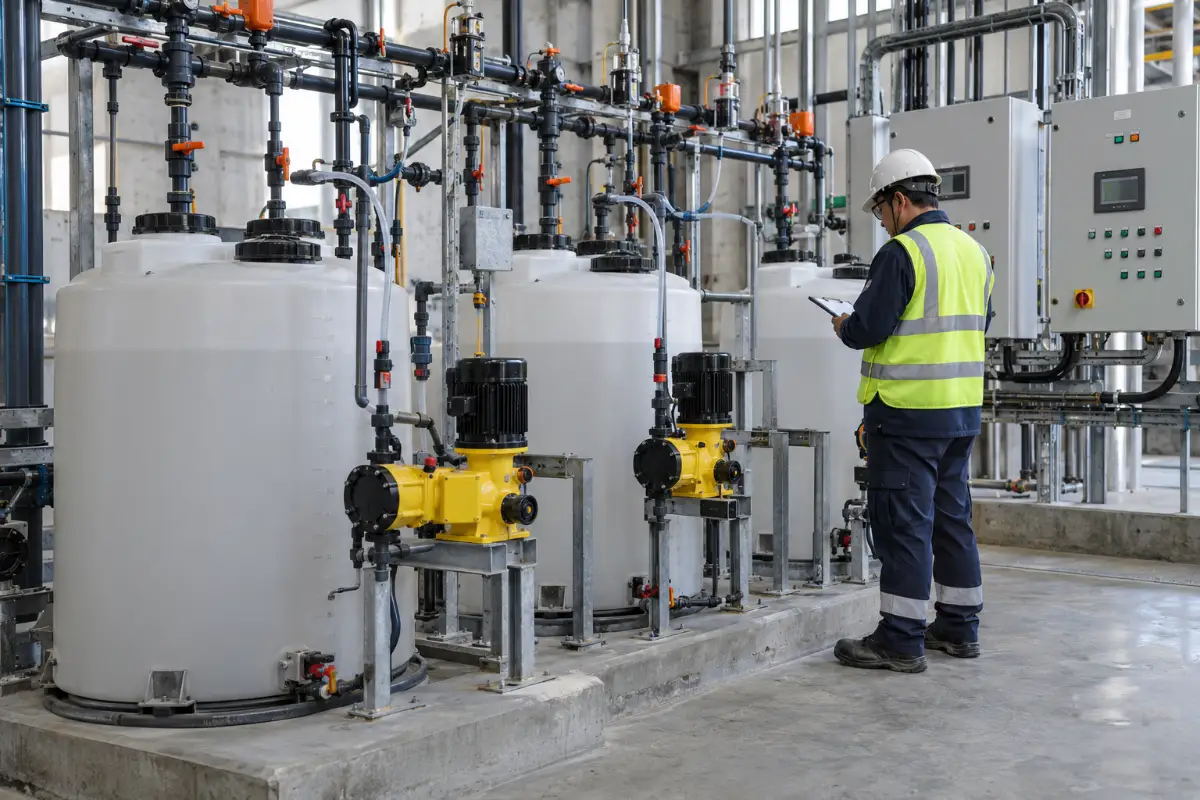
Routine tasks include monitoring compressor vibration and oil condition, checking heat exchanger pressure drop for signs of fouling, verifying chemical dosing rates, inspecting pumps and seals, and logging distillate quality. Periodic tasks include heat exchanger cleaning (frequency depends on chemistry), compressor overhaul at manufacturer-recommended intervals, and instrument calibration. A well-designed system with good pre-treatment will have predictable, manageable maintenance. A poorly designed one will keep your team busy.
Can I add membrane pre-concentration later if I start with just an evaporator?
Yes, but it is much cheaper to design for it upfront. Leave space, plan the piping tie-in points, and size the electrical and control infrastructure with future expansion in mind. Retrofitting a membrane skid into an existing evaporator train is doable but usually requires downtime, rework, and a control system upgrade. If there is any chance you will need higher concentration ratios in the future, tell the manufacturer during the initial design phase.
How important is it that the manufacturer has experience with my specific industry?
Very important, but not in the way most people think. The chemistry matters more than the industry label. A manufacturer who has evaporated high-chloride streams understands chloride stress corrosion, regardless of whether the source was plating or chemical production. What you want is relevant chemistry and relevant operating conditions, not a matching industry name on their reference list. Ask about specific ions and temperatures, not about industry categories.
Closing Thoughts
Selecting a wastewater evaporator manufacturer is really a process of matching three things: your water, your operating reality, and the supplier’s engineering depth. The best manufacturer for your project is not necessarily the largest, the cheapest, or the one with the glossiest brochure. It is the one who asks the right questions, shows you the calculations behind their design, tells you honestly what will be hard, and stands behind the system after the purchase order is signed. Get that match right, and the rest of the project has a fighting chance. Get it wrong, and no amount of good intentions will save you from the consequences.