

Choosing a zero liquid discharge (ZLD) system supplier is less about comparing equipment lists and more about finding a partner who can own the process risk from the first water analysis to the final salt crystal. After more than a decade designing and commissioning evaporator and membrane trains, I can tell you the cheapest quote almost always becomes the most expensive plant. The right supplier will challenge your assumptions, show you their heat and mass balance, and tell you where your feed chemistry will bite you. This article walks through how I actually evaluate ZLD vendors — technically, commercially, and operationally.
Start With Your Water, Not the Equipment
Every ZLD project I have rescued started with the same mistake: someone picked an evaporator before anyone understood the brine. ZLD is a chain, not a single unit. A typical train runs pretreatment, then concentration (membrane or thermal), then crystallization or evaporation to dryness, then solids handling. If the front of the chain is wrong, the back of the chain fails.
Before you talk to any supplier, build a water profile that covers:
- Total dissolved solids (TDS) and the full ion balance — sodium, chloride, sulfate, calcium, magnesium, silica, carbonate
- Organics: COD, TOC, oils and grease, solvents, and anything that will foam or foul
- Hardness, silica, and scaling indices at the concentration factor you expect
- Heavy metals, ammonia, and volatile compounds
- pH, temperature, and seasonal variability
- Flow rate range — minimum, average, and peak
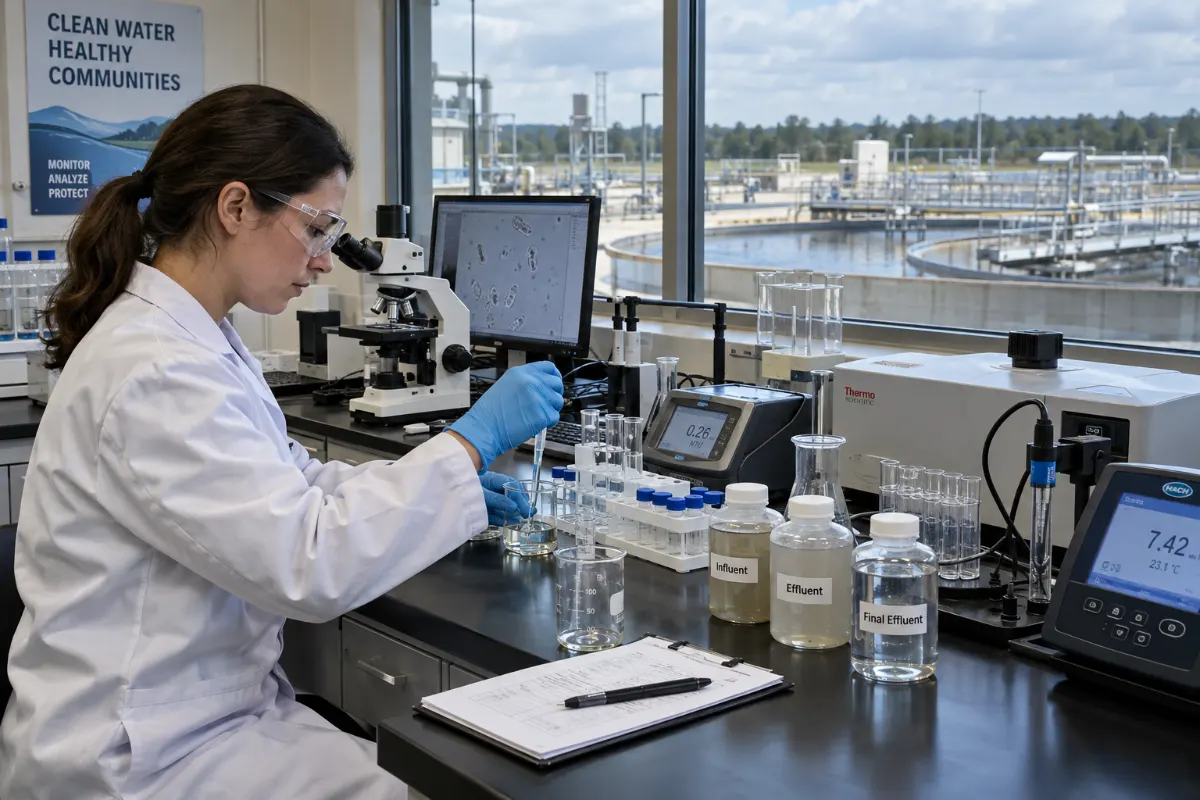
A supplier who quotes without asking for most of this is selling boxes, not a system. Good vendors will ask for a sample and run bench or pilot-scale evaporation and scaling tests. That testing is where the real engineering happens, and it is worth paying for.

How to Read a ZLD Supplier’s Technical Proposal
When proposals land on your desk, they all look similar on the surface. The differences hide in the assumptions. I always ask for the following and compare them side by side.
1. Heat and mass balance
Ask for a full balance at design and turndown conditions. If a vendor cannot show you where every kilogram of water and salt goes, they do not have a design — they have a sketch. Watch the concentration factor, the boiling point elevation, and the expected scaling margin.
2. Evaporation technology selection
The choice between mechanical vapor recompression (MVR) and multi-effect evaporation drives your energy bill for the next twenty years. MVR uses a compressor to reuse vapor and typically runs on electricity; multi-effect uses steam and reuses heat across stages. The right answer depends on your utility costs, steam availability, and power reliability. I have seen plants flip from MVR to multi-effect purely because steam was cheap and electricity was not. A supplier who only offers one technology will always recommend that one.
If you want to understand the difference in depth, this overview of MVR technology is a fair starting point, and the multi-effect evaporator side is worth reading before you commit to either.
3. Pretreatment and scaling control
Scaling kills more ZLD plants than any other single cause. Ask specifically how the supplier handles calcium sulfate, silica, and carbonate hardness. Look for softening, antiscalant dosing, seed recycling, or pH adjustment — and ask what happens when the chemistry drifts. A vendor who says “the evaporator will handle it” without a scaling model is telling you they have not run this feed before.
4. Materials of construction
Chloride-rich brines destroy 316 stainless steel fast. Ask what alloys and linings are used in wetted parts, and ask why. Duplex, super duplex, titanium, and high-nickel alloys all have a place, and the choice should be justified by the chloride level and temperature, not by what is cheapest that week.
5. Turnkey vs. equipment-only scope
Some suppliers sell you a skid and disappear. Others deliver a full train with controls, commissioning, and operator training. For a ZLD plant, the integration between pretreatment, evaporator, and crystallizer is where most failures happen. I lean toward suppliers who own the whole boundary — or at least the critical interfaces.

Comparing ZLD Supplier Types
There is no single “best” supplier type. Each has trade-offs. Here is how I think about them.
| Supplier Type | Typical Strength | Typical Weakness | Best Fit |
|---|---|---|---|
| Full-line ZLD OEM | Owns whole train, single point of responsibility | Higher price, less flexibility on component brands | Complex, high-risk feeds |
| Evaporator specialist | Deep thermal design expertise | May subcontract membrane and crystallization | Brine concentration projects |
| Membrane specialist | Strong on RO, DTRO, high-pressure systems | Weaker on thermal and solids handling | High-recovery concentration upstream of evaporator |
| EPC integrator | Manages interfaces and schedule | Depends on sub-suppliers for core design | Large projects with tight timelines |
| Regional fabricator | Lower cost, faster service response | Limited process depth, fewer references | Simple, well-characterized feeds |
Most successful ZLD projects I have seen use a hybrid: a process design from a specialist, packaged by an integrator, with the OEM holding performance guarantees on the core thermal or membrane unit.
Questions That Separate Real Suppliers From Brochures
I keep a short list of questions that almost always reveal whether a supplier has actually built and run a ZLD plant.
- Can you show me a reference plant running a feed similar to mine, and can I speak to the operator?
- What is your guaranteed recovery and product water quality, and what are the conditions that void that guarantee?
- What is the expected cleaning frequency for the evaporator and membranes, and what chemicals are required?
- How does the system behave at 50% turndown? What about during a plant trip?
- What is the largest single point of failure, and what is the redundancy?
- Who commissions the plant, and how long do they stay on site?
- What spare parts do you recommend stocking, and what is the lead time on the compressor or membranes?
If a supplier hesitates on any of these, that is your answer. Real vendors have lived through these problems and will talk about them plainly.
Reference checks done properly
Do not just ask for a reference list. Ask for a plant that has been running at least two years on a feed that resembles yours. Ask the operator, not the plant manager, about fouling, downtime, and how often they call the supplier. The operator’s tone tells you more than any datasheet.
Energy, Cost, and Lifecycle Economics
ZLD is energy-intensive by nature. The two biggest cost drivers are the evaporator’s specific energy consumption and the membrane system’s pumping power. Everything else is secondary.
Indicative ranges I have seen on real projects, all project-dependent:
- MVR evaporator: roughly 15–40 kWh per cubic meter of distillate, depending on boiling point elevation and compressor efficiency
- Multi-effect evaporator: roughly 0.3–0.5 kg of steam per kg of water evaporated for a triple-effect, with electricity for pumps and vacuum
- High-pressure RO or DTRO concentration: roughly 3–8 kWh per cubic meter, depending on feed TDS and recovery
- Crystallizer: often the largest single electricity consumer in the plant
These numbers move with feed chemistry, ambient conditions, and how aggressively you push recovery. Any vendor quoting a single number without stating assumptions is guessing.
When you compare quotes, do not compare capital cost alone. Build a simple lifecycle model:
- Capital cost, including installation and commissioning
- Annual electricity and steam consumption at your actual utility rates
- Membrane and compressor replacement over 10–20 years
- Cleaning chemicals and consumables
- Labor for operation and maintenance
- Downtime cost, weighted by your production value
The MVR evaporator cost drivers article breaks this down further if you want a deeper cost model. For a broader view of where the money goes across a ZLD train, the ZLD system design overview is useful background.
Maintenance and Operability — The Real Test
A ZLD plant that runs for six months and then fouls is not a ZLD plant. It is a very expensive experiment. When I evaluate suppliers, I weight operability heavily.
Cleaning and fouling
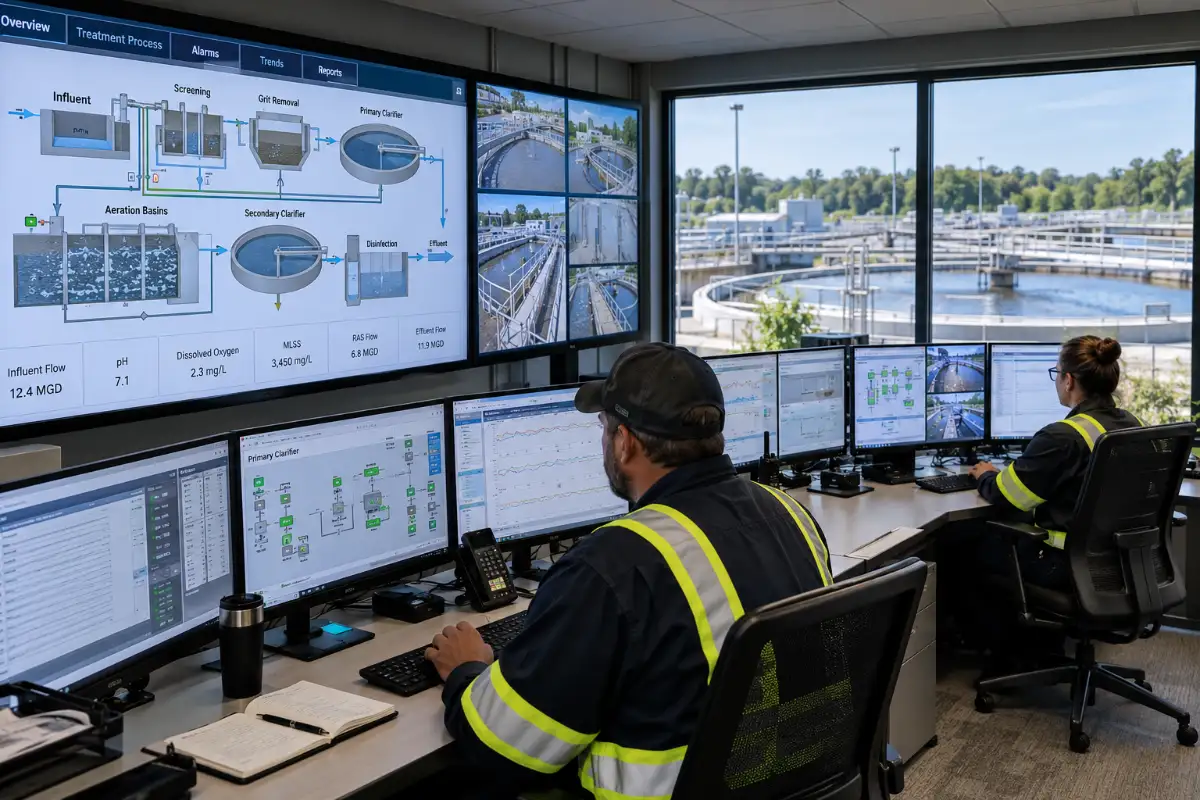
Ask for the cleaning procedure in writing. How long does a clean-in-place cycle take? What chemicals are needed, and are they safe for your site? How does the system detect fouling before it becomes a shutdown? Good designs include online monitoring of pressure drop, temperature difference, and conductivity.
Turndown and start-up
Industrial plants rarely run at nameplate. Ask how the system handles 30%, 50%, and 100% load. Ask how long a cold start takes and whether it can be automated. A plant that needs an operator babysitting it for eight hours every morning is a plant that will be bypassed.
Controls and instrumentation
Look at the control philosophy. Is it a black box, or can your team see the logic? Can you trend data and export it? I have seen plants fail simply because the controls were locked and the operator could not see why the compressor was tripping.
Spare parts and service
Ask where the compressor, membranes, and key instruments come from, and what the lead time is. A supplier with no regional service presence will cost you weeks of downtime when something fails. This is where a service and support program matters more than the equipment price.
Red Flags I Have Learned to Watch For
Over the years, a few patterns have emerged that almost always predict trouble.
- No pilot testing offered. For a complex brine, a vendor who will not run a pilot is asking you to fund their learning curve.
- Guarantees with vague conditions. “Subject to feed quality” without a defined envelope is not a guarantee.
- Pressure to sign before water analysis. Real engineering takes time. Rush is a warning sign.
- Only one technology offered. A hammer sees every problem as a nail.
- No operator training in the scope. You will be running this plant for twenty years. Training is not optional.
- References that are all brand new. Ask for plants older than two years.
I once reviewed a proposal where the evaporator was sized on a feed TDS that was 40% lower than the client’s actual worst case. The vendor had used a clean sample. That plant would have failed in the first month. The lesson: always ask what feed the design is based on, and make sure it matches your worst case, not your average.
How to Structure the Selection Process
A disciplined selection process saves months of pain. Here is the sequence I recommend.
- Define the problem. Complete water analysis, flow profile, discharge limits, and site constraints.
- Set the design basis. Recovery target, product water quality, solids form, and utility availability.
- Pre-qualify suppliers. Look for relevant references, in-house process capability, and service presence.
- Issue a clear technical specification. Do not let vendors define the scope for you.
- Require pilot or bench data for any feed that is not well characterized.
- Compare lifecycle cost, not just capital.
- Negotiate performance guarantees with defined conditions and remedies.
- Plan commissioning and training before the equipment ships.
Regulatory drivers matter too. Discharge limits are tightening in many regions, and the U.S. EPA’s effluent guidelines and the World Bank’s environmental standards are useful references when you are setting your own discharge targets. Check the current versions directly, because they change.
If you only remember one thing: choose the supplier who asks the most uncomfortable questions about your water. That is the one who will still be answering the phone in year five.
Frequently Asked Questions
How long should a ZLD system supplier’s proposal take to prepare?
A serious proposal for a complex feed takes four to eight weeks, including water analysis and preliminary process design. If a vendor returns a full quote in a week without asking for a sample, they are pricing a template, not your plant.
What is the biggest cost driver in a ZLD system?
Energy, by a wide margin, followed by membrane and compressor replacement. Capital cost is significant but usually smaller than the twenty-year energy bill. Always model both.
Do I need a pilot test before buying a ZLD system?
For any feed that is not well characterized — landfill leachate, mixed industrial brine, high-silica or high-organics streams — yes. Pilot testing is the cheapest insurance you will ever buy. For simple, well-understood brines, bench testing may be enough.
How do I compare MVR and multi-effect evaporation for my site?
Compare your electricity and steam costs, your power reliability, and your feed’s boiling point elevation. MVR usually wins where electricity is cheap and steam is scarce. Multi-effect wins where steam is available and electricity is expensive. The right answer is site-specific.
What maintenance should I expect on a ZLD plant?
Expect regular cleaning of heat exchangers and membranes, compressor inspections, instrument calibration, and periodic replacement of seals and gaskets. A well-designed plant should run with one operator per shift and planned cleaning every few weeks to a few months, depending on feed quality.
What should I do if a supplier will not provide performance guarantees?
Walk away, or restructure the contract so payment is tied to demonstrated performance. A supplier who will not stand behind recovery, product quality, and energy consumption is transferring all the risk to you.
How important is local service presence?
Very. A compressor failure or membrane replacement can take weeks if parts and technicians have to travel. Ask where the nearest service team is, what spare parts are stocked locally, and what the response time commitment is in writing.
Final Thoughts
Choosing a ZLD supplier is a process decision, not a procurement decision. The vendor who understands your water, shows you the math, and talks honestly about fouling and downtime will deliver a plant you can actually run. The one who leads with price and a glossy brochure will hand you a problem you will be solving for years.
Take the time to define your feed, demand real process data, compare lifecycle cost, and check references properly. Then pick the partner who treats your brine like their own problem. That is the supplier worth signing with.