

If you’re planning to import wastewater treatment equipment from China, the single most important thing to understand up front is this: the equipment itself is rarely the hard part. The hard part is matching the process design to your actual water chemistry, then making sure the supplier’s scope, materials, and documentation survive the trip and the first year of operation. I’ve watched buyers save 30–40% on capital cost and then lose it all in downtime, rework, and spare parts chaos within eighteen months. The import process works well when you treat it as an engineering project with a procurement component, not the other way around. This guide walks through what actually matters — specification, verification, shipping, commissioning, and lifecycle cost — based on how these projects really go.

Start With Your Water, Not the Equipment Catalog
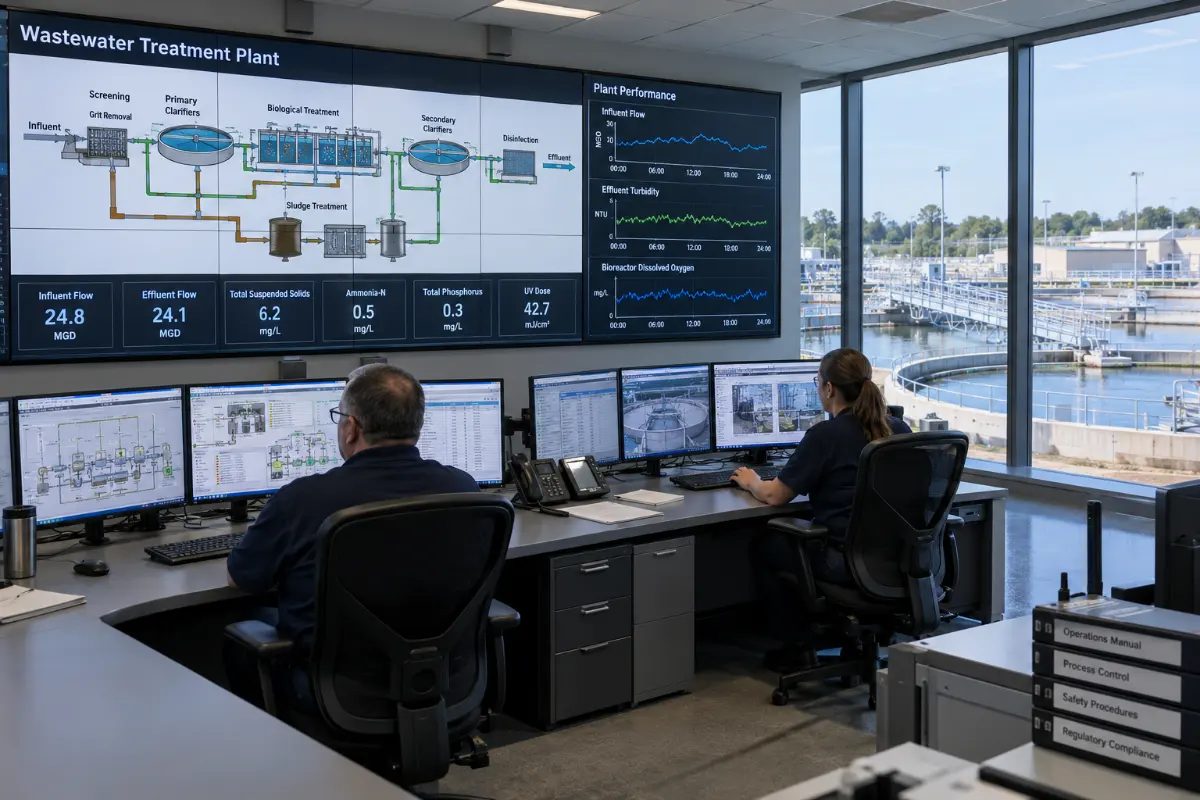
I’ve been called into more failed imports than I can count, and almost every one started the same way: the buyer picked a machine before anyone characterized the wastewater. That’s backwards. Before you talk to a single supplier, you need a water analysis that covers at least a full production cycle, not a single grab sample taken on a quiet Tuesday.
Here’s what I insist on before any serious conversation:
- Full ion profile — calcium, magnesium, sodium, chloride, sulfate, silica, fluoride, and any heavy metals relevant to your industry
- COD and BOD across a week of samples, with peaks noted
- TDS and conductivity — and how much it swings between shifts
- Suspended solids and oil/grease, because these wreck evaporators and membranes faster than anything else
- pH range and buffering behavior
- Temperature at the discharge point
- Scaling and fouling tendencies — this is where most projects quietly fail
If you skip this step, you’re gambling. A system that works beautifully on paper can scale out in three weeks if the calcium hardness is double what the supplier assumed. I’ve seen a membrane skid destroyed in under a month because nobody checked the silica level.
Matching Process Technology to Your Wastewater
Once you know what’s in the water, the technology selection becomes much less of a guessing game. The table below is the rough logic I use when advising clients. Treat the ranges as indicative — every project shifts them.
| Wastewater Type | Typical Approach | Why It Fits | Watch Out For |
|---|---|---|---|
| High TDS brine, low organics | MVC or multi-effect evaporation | Concentrates to near-dry solids, low energy per ton at scale | Scaling, corrosion, compressor maintenance |
| High COD, moderate TDS | MVR + pretreatment | Handles organics without frequent membrane replacement | Foaming, fouling on heat transfer surfaces |
| High salinity, variable flow | DTRO membrane systems | Tolerates fouling better than standard RO | Concentrate disposal, membrane cost |
| Moderate TDS, reuse target | Industrial RO | Cheapest per cubic meter for clean feeds | Pretreatment quality, brine handling |
| Sludge-heavy streams | Screw press dewatering | Low energy, continuous operation, low operator attention | Polymer dosing, wear on flights |
| Zero discharge mandate | ZLD train (RO + evaporator + crystallizer) | Meets strict discharge limits | High capex, high opex, complexity |
For a deeper look at how evaporation fits into the overall treatment chain, the process steps in water treatment are worth reviewing before you commit to a technology path. I’ve seen buyers order an evaporator when a well-designed membrane system would have done the job at half the operating cost.
Specifying Equipment So You Actually Get What You Paid For
This is where the gap between a good import and a nightmare opens up. Chinese suppliers are capable of excellent work — I’ve seen heat exchangers and compressor skids that rival European builds. But the specification language matters enormously, and vague specs get filled with whatever’s cheapest on the shop floor that week.
Materials of Construction
Don’t write “stainless steel.” Write “316L stainless steel, 2B finish, minimum 3 mm shell thickness, with mill certificates.” For chloride-rich streams, even 316L fails — you may need duplex 2205, 2507, or titanium. Ask for the material test certificates before shipment, not after. I once had a client receive a “titanium” heat exchanger that turned out to be 316 with a titanium label. The XRF gun caught it in five minutes.
Heat Exchanger Design
For evaporator systems, the heat exchanger is where the money and the failure risk both live. Falling film versus forced circulation versus plate — each has a place. If your stream is prone to scaling, forced circulation with a large tube diameter buys you operating time between cleanings. The MVC evaporator heat exchanger design choices are worth studying carefully, because this is the component that most often gets under-specified to hit a price target.
Instrumentation and Controls
Insist on named brands for critical instruments: conductivity, pH, level, temperature, flow. Off-brand sensors fail fast in hot, corrosive environments, and calibration drift will have your operators chasing ghosts. I recommend specifying at least the control philosophy and a preferred instrument list, even if you allow substitutions with approval.
Documentation Package
This is non-negotiable. Your purchase contract should require:
- P&ID (piping and instrumentation diagram) marked “as-built”
- Equipment layout and foundation loading drawings
- Material certificates for wetted parts
- Pressure test and hydro test reports
- Electrical schematics and PLC program with source code
- Operation and maintenance manuals in English
- Spare parts list with recommended first-year inventory
If a supplier hesitates on any of these, that’s a signal. Good manufacturers provide them as standard.

Vendor Selection: What Actually Separates Good Suppliers From Risky Ones
Price is the worst single criterion for choosing a supplier, but it’s the one most buyers lead with. Here’s the evaluation framework I use when clients ask me to help shortlist vendors.
Engineering Depth
Ask them to walk you through a similar project’s mass and energy balance. If they can’t, they’re a trading company, not a manufacturer. A real engineering team will ask you questions about your water that you hadn’t thought to answer. That’s a good sign.
In-House vs. Outsourced Manufacturing
Many “manufacturers” outsource fabrication. That’s not automatically bad, but it means quality control is only as good as their inspection. Ask which components they make themselves and which they buy. For evaporators, the pressure vessel and heat exchanger fabrication are the critical in-house capabilities.
Reference Projects — and How to Verify Them
Ask for projects in your industry and region. Then ask for a contact who will actually talk to you. If they can’t produce one, treat the reference list as marketing. I’ve verified references by asking specific technical questions about operating problems — real operators answer those easily; salespeople don’t.
After-Sales Reality
Every supplier promises support. The question is what happens when a compressor fails at 2 a.m. on a Sunday. Ask:
- How fast can a technician be on site?
- What’s the spare parts lead time for critical items?
- Is remote PLC access available for troubleshooting?
- What’s the warranty period, and what does it actually cover?
Get the answers in writing, in the contract. Verbal promises evaporate the moment there’s a dispute.
“The cheapest quote I ever accepted cost me three times what the second-cheapest would have. Not because the equipment was bad — because the documentation was incomplete and nobody could tell us how the control logic was supposed to work. We spent six months reverse-engineering a system that should have started up in three weeks.” — from a conversation with a plant engineer I worked with on a pharmaceutical wastewater project.
Commercial Terms, Payment, and Risk Allocation
The commercial structure of an import is where a lot of buyers leave money on the table — or expose themselves to risk they didn’t need to take.
Incoterms
FOB is the most common for equipment imports, and it’s usually the right choice if you have a reliable freight forwarder. CIF shifts some risk to the seller but also hides the freight cost in the equipment price. DDP sounds convenient but rarely works well for heavy industrial equipment because the seller rarely understands your local import regulations. I generally recommend FOB with your own forwarder.
Payment Structure
The classic 30/70 split (30% deposit, 70% before shipment) is standard but exposes you to quality risk. Better structures I’ve seen work:
- 30% deposit, 60% against shipping documents, 10% after successful commissioning
- Letter of credit for larger orders, with inspection clause
- Milestone payments tied to specific inspection points
The retention payment after commissioning is your best leverage. Never give it up without a fight — it’s the only thing that keeps a supplier engaged through startup.
Pre-Shipment Inspection
Hire a third-party inspector. It costs a few thousand dollars and catches problems that would cost ten times that to fix on site. The inspector should verify:
- Materials match the specification (XRF testing on wetted parts)
- Dimensions match the approved drawings
- Pressure and leak tests were performed and documented
- Electrical components match the approved list
- Documentation package is complete
Shipping, Customs, and Logistics for Heavy Equipment
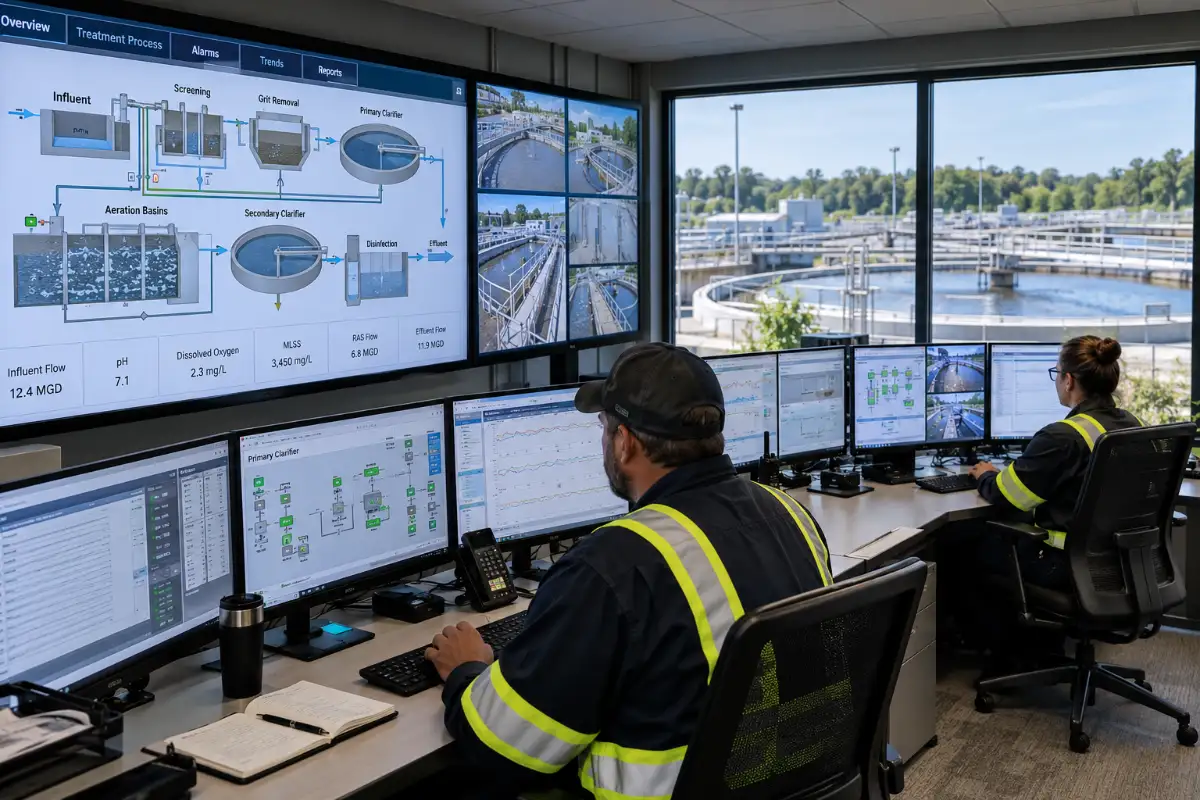
Industrial water treatment equipment is heavy, often oversized, and sometimes classified as pressure equipment. That combination creates logistical challenges that catch first-time importers off guard.
Packing Standards
Specify seaworthy packing in the contract: vacuum barrier bags with desiccant for sensitive components, steel-framed crates for skids, and clearly marked lifting points. I’ve seen heat exchanger tubes arrive with rust inside because the supplier used open crates and the vessel sat on a dock in the rain for two weeks.
Customs Classification
Work with a customs broker who has experience with industrial equipment. HS codes for evaporators, membrane systems, and pumps vary, and misclassification can trigger delays or unexpected duties. Get the classification confirmed before shipment, not after.
Insurance
Marine cargo insurance is cheap relative to the value of the equipment. Buy it. I’ve seen a skid dropped during unloading with no coverage — a $200,000 loss that could have been insured for a few hundred dollars.
Commissioning: Where Imports Succeed or Fail
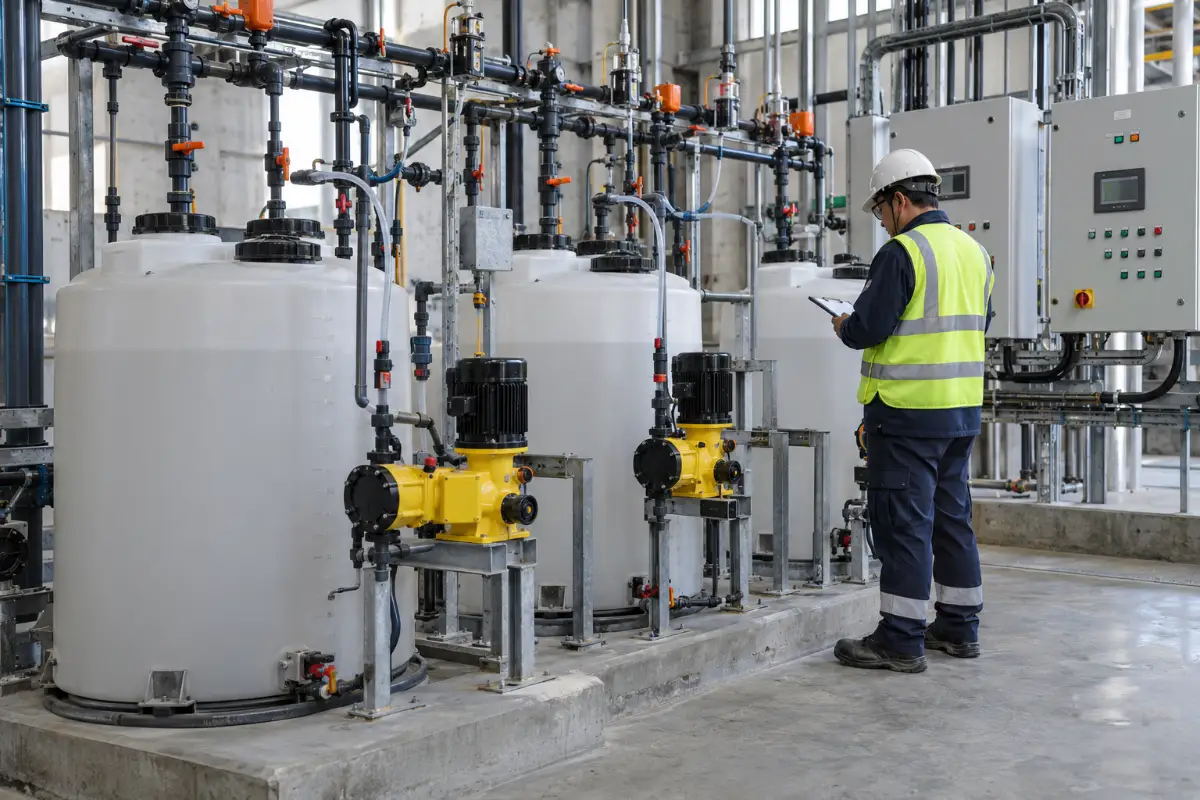
The equipment arriving is not the finish line. Commissioning is where the real work happens, and it’s where I see the most preventable failures.
Site Readiness
Before the equipment lands, your site should have:
- Foundations poured and cured per the supplier’s loading drawings
- Utilities (power, water, compressed air, steam if applicable) available at the correct capacity
- Chemical storage and dosing systems ready
- Operators identified and available for training
- Drainage and waste handling for the commissioning period
I’ve watched a project sit idle for six weeks because the electrical supply wasn’t ready. That’s not the supplier’s fault — it’s a project management failure.
Commissioning Sequence
A proper commissioning covers:
- Mechanical completion check — everything installed per drawings
- Electrical and instrumentation loop checks
- Dry runs and interlock testing
- Water commissioning with clean water
- Process commissioning with actual wastewater, ramped up gradually
- Performance test against contractual guarantees
- Operator training and handover
Don’t skip the performance test. It’s your contractual proof that the system meets the specification, and it’s the basis for releasing the retention payment.
Lifecycle Cost: The Number That Actually Matters
Capital cost is visible and easy to compare. Operating cost is invisible and easy to ignore — until it eats your budget. Here’s how I frame the comparison for clients.
| Cost Element | Typical Share of 10-Year TCO | What Drives It |
|---|---|---|
| Capital equipment | 25–40% | Technology choice, materials, redundancy |
| Energy | 20–35% | Evaporator type, compressor efficiency, heat recovery |
| Maintenance and spares | 10–20% | Materials, operating conditions, maintenance discipline |
| Chemicals | 5–15% | Antiscalants, cleaning chemicals, polymer |
| Membrane or consumable replacement | 5–15% | Feed quality, pretreatment effectiveness |
| Labor | 5–10% | Automation level, complexity |
The ranges are indicative and shift significantly with feed chemistry and operating hours. A system running 24/7 with aggressive scaling will skew heavily toward maintenance and consumables. A well-designed system with good pretreatment shifts the balance toward capital.
For a detailed breakdown of what drives evaporator costs specifically, the MVR evaporator cost drivers are worth reviewing — energy is usually the largest lever, and compressor efficiency is the single biggest factor within that.
Maintenance and Spare Parts Strategy
Equipment imported from overseas has a longer spare parts supply chain. That’s a real disadvantage, and it needs to be managed deliberately.
First-Year Spare Inventory
Buy more than you think you need. I recommend stocking:
- Complete set of gaskets and seals for all pumps and flanges
- At least one spare mechanical seal per pump model
- Spare instrumentation for critical measurements
- Compressor wear parts if applicable (bearings, seals, filters)
- Heat exchanger tube plugs and cleaning equipment
- One spare set of membrane elements if applicable
The cost of holding this inventory is trivial compared to the cost of a two-week shutdown waiting for a $500 part.
Local Support
Identify local sources for generic items — pumps, valves, instruments, chemicals — before you need them. For proprietary components, establish a direct relationship with the supplier’s after-sales team and get a named contact. Generic email addresses go nowhere when you have an urgent problem.
Preventive Maintenance Program
Follow the supplier’s recommended schedule, but adjust based on your actual operating conditions. If your feed is scaling-prone, clean more often than the manual says. If your feed is clean, you can extend intervals. The manual is a starting point, not a gospel.
For sludge dewatering systems specifically, the screw press operation and maintenance guide covers the wear parts and inspection intervals that matter most.
Common Failure Modes and How to Avoid Them
After enough projects, patterns emerge. These are the failure modes I see most often in imported wastewater treatment systems.
Undersized Pretreatment
The main treatment system gets all the attention; pretreatment gets whatever’s left in the budget. Then the main system fouls, scales, or corrodes because the feed wasn’t what the design assumed. Pretreatment is not optional — it’s what protects your capital investment.
Inadequate Instrumentation
Suppliers cut instrumentation to hit a price target. Buyers don’t push back because they don’t know what’s missing. Then operators run blind, and problems go undetected until they’re expensive. Insist on the full instrument list, and pay for quality sensors.
Control Philosophy Mismatch
The PLC logic is written for a different operating philosophy than yours. Maybe the supplier assumes continuous operation and you run batch. Maybe they assume automatic cleaning and you planned manual. Sort this out in the specification phase, not after startup.
Documentation Gaps
As-built drawings that don’t match the installed equipment. Manuals that describe a different model. PLC programs without source code. Every one of these creates a maintenance nightmare. Verify the documentation package before final payment.
Operator Training Shortfall
Two days of training during commissioning is not enough. Your operators need to understand not just how to run the system, but why it works the way it does — so they can diagnose problems when the supplier’s engineer is 8,000 miles away. Budget for extended training or a return visit.
Regulatory and Compliance Considerations
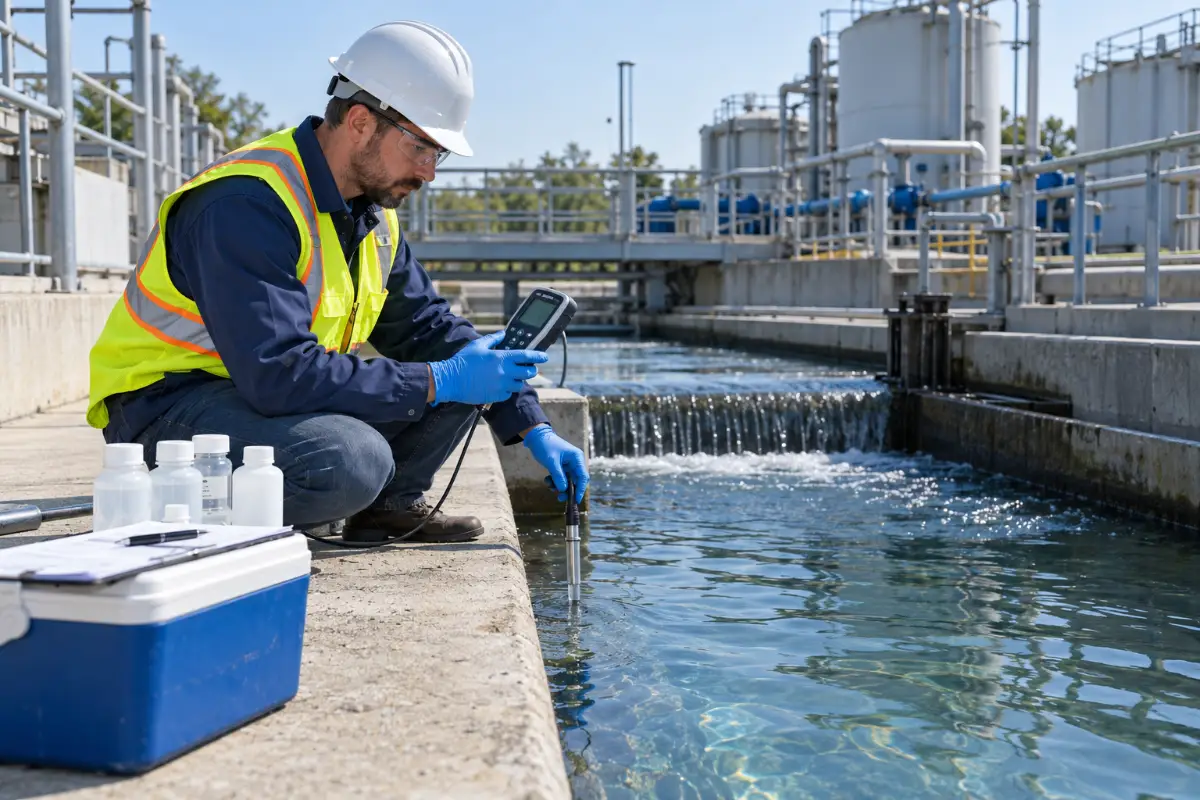
Your discharge permit doesn’t care where the equipment was made. It cares whether the effluent meets the limits. That means the imported system has to perform to your local standards, which may differ from the standards the supplier designs to.
Check the wastewater discharge standards that apply to your site, and make sure the performance guarantees in your contract are written against those specific limits — not against generic supplier claims. I’ve seen contracts guarantee “treated water suitable for discharge” without specifying which parameters and which limits. That’s not a guarantee; it’s a wish.
For projects targeting zero liquid discharge, the regulatory framework is usually stricter and the design margins need to be larger. The ZLD system design considerations cover the additional complexity that comes with a true zero-discharge mandate.
Also consider relevant international guidance. The U.S. Environmental Protection Agency publishes technical references on industrial wastewater treatment that are useful for benchmarking, and the World Bank maintains environmental, health, and safety guidelines for industrial sectors that many projects use as a design reference.
Planning a Wastewater Treatment Import?
Get an engineering review of your water analysis and process design before you commit to a supplier. It’s the cheapest insurance you’ll ever buy.
Frequently Asked Questions
How long does it typically take to import and commission wastewater treatment equipment?
From contract signing to commissioning, plan on 4 to 8 months for a standard system, and 9 to 14 months for a complex ZLD or large evaporator project. Manufacturing alone is usually 8 to 16 weeks. Ocean freight adds 3 to 6 weeks depending on route. Customs clearance and inland transport add another 1 to 3 weeks. Commissioning takes 2 to 6 weeks depending on complexity and site readiness. The biggest variable is usually site readiness — foundations, utilities, and operator availability. I’ve seen projects delayed three months because the concrete wasn’t poured on schedule.
What’s the realistic cost difference between Chinese and European equipment?
For comparable specifications, Chinese equipment typically runs 30 to 50% lower on capital cost. But the gap narrows when you account for higher freight, longer spare parts lead times, and the engineering effort required to verify specifications. On a lifecycle basis, the difference is often 15 to 30%, not 40%. The gap widens for standard equipment and narrows for highly engineered systems where European suppliers have deeper application experience. Don’t choose based on price alone — choose based on total cost of ownership and risk tolerance.
How do I verify that a supplier’s materials are what they claim?
Third-party pre-shipment inspection with XRF testing on wetted parts is the most reliable method. It costs a few thousand dollars and catches substitution before the equipment ships. Also require mill certificates for all pressure-containing components and verify the certificate numbers against the actual material markings. For critical components like heat exchanger tubes, consider having a sample sent to an independent lab for full chemical analysis. I’ve caught material substitutions on three separate projects this way — each one would have caused premature failure within a year.
What should I do if the equipment fails the performance test at commissioning?
Don’t accept handover until the performance test passes against the contractual guarantees. If it fails, document the specific parameters that don’t meet specification, give the supplier a defined period to correct the issue, and hold the retention payment until it’s resolved. Common causes of performance test failure include feed water that differs from the design basis, insufficient pretreatment, instrumentation calibration errors, and control logic problems. In most cases, the issue is fixable within days if the supplier is engaged. The problem arises when the supplier disputes the test conditions — which is why the test protocol should be agreed in the contract before shipment.
How much spare parts inventory should I stock for an imported system?
For the first year, I recommend stocking 5 to 10% of the equipment value in spares, focused on wear items and long-lead components. This typically includes pump seals, gaskets, instrumentation, filter elements, and any proprietary components with lead times over four weeks. After the first year, you can adjust based on actual consumption patterns. The goal is to avoid any unplanned shutdown that lasts more than a few days due to a missing part. A $2,000 spare inventory that prevents one two-week shutdown pays for itself many times over.
Can I get local support for equipment imported from overseas?
For generic components — pumps, valves, instruments, motors — yes, local support is usually available and often better than relying on the original supplier. For proprietary components and control systems, you’ll depend on the supplier’s after-sales team. Establish a direct relationship with a named contact before you need them, and negotiate a response time commitment in the contract. Some suppliers have regional service partners; ask about this during vendor selection. If a supplier has no local presence and no service partner, factor that into your risk assessment — it may be fine for simple equipment, but it’s a serious concern for complex systems.
What’s the biggest mistake buyers make when importing this equipment?
Choosing the supplier before defining the process. I’ve seen this dozens of times. The buyer gets quotes from three suppliers, picks the cheapest, signs a contract, and then discovers the system doesn’t match their actual wastewater. By then, the design is fixed and changes are expensive. The right sequence is: characterize your water, define the process, write a detailed specification, then go to market. It takes an extra four to six weeks upfront and saves six months of pain on the back end. Every experienced buyer I know follows this sequence. Every failed project I’ve been called into skipped it.