

If you are buying an industrial evaporator from a supplier in China, the single most important check is whether the vendor can show you a real mass and energy balance for your specific wastewater — not a generic brochure. Everything else, from material grades to compressor selection, follows from that document. I have reviewed dozens of evaporator proposals over the past decade, and the projects that failed almost always failed because the buyer accepted a quotation before the water chemistry was fully understood. This article walks through the checks I would run myself: water analysis, process selection, heat exchanger design, compressor and materials, fabrication quality, testing, documentation, and lifecycle cost. It is written for engineers, EPC contractors, and plant operators who need to compare offers on technical substance rather than price alone.
Start With Your Water, Not the Equipment
Before you talk to any supplier, you need a water analysis that is good enough to design from. A single sample from the day the sales engineer visited is not enough. Industrial wastewater changes with production schedules, batch dumps, cleaning cycles, and seasonal raw material shifts. I have seen plants where the chloride content tripled between two sampling campaigns, which changed the required heat exchanger material from 316L stainless steel to a duplex grade and added roughly 15 percent to the equipment cost.
The analysis should cover, at minimum:
- Total dissolved solids (TDS) and total suspended solids (TSS)
- Chlorides, sulfates, hardness (calcium and magnesium), silica
- COD, BOD, and volatile organics
- pH, alkalinity, and ammonia
- Heavy metals if the source is plating, battery, or catalyst production
- Oil and grease, plus any solvents or surfactants
- Scaling and fouling tendencies, ideally from a bench test at operating temperature
If the supplier does not ask for this data before quoting, that is your first warning sign. A serious vendor will also ask about flow variability, operating hours, available steam or power, and the discharge limit you have to meet. Those four answers determine whether you need a multi-effect evaporator, a mechanical vapor recompression (MVR) unit, or a hybrid with membrane preconcentration.

Matching the Evaporation Process to the Duty
There is no universally “best” evaporator. The right choice depends on your energy cost, steam availability, electricity cost, scaling risk, and the concentration factor you need. Here is how I usually frame the decision for clients.
| Process | Typical Energy Source | Best Fit | Main Watch-Out |
|---|---|---|---|
| Single-effect | Steam or hot water | Small flows, high fouling, batch operation | High specific energy per ton evaporated |
| Double-effect | Steam | Medium flows where steam is cheap | More complex control, needs stable steam |
| Triple-effect | Steam | Larger flows, good steam economy | Higher capital, larger footprint |
| MVR | Electricity only | Where steam is unavailable or expensive | Compressor reliability and power quality |
| Membrane + evaporator | Electricity + steam | High-volume, moderate-TDS streams | Membrane fouling and brine management |
For a stream that is mostly water with moderate TDS, a mechanical vapor compression MVC evaporator often has the lowest operating cost because it recycles the latent heat internally. For high-scaling streams, a multi-effect evaporator with forced circulation may be more forgiving because you can run at lower temperature and clean individual effects. In many zero liquid discharge projects, the smart layout is a DTRO membrane system upstream to cut the volume, with the evaporator handling only the concentrated brine.
Ask the supplier to justify the number of effects or the choice of MVR with numbers. If they cannot show you the steam economy (kg evaporated per kg steam) or the specific power consumption (kWh per ton evaporated) for their proposed configuration, the offer is not design-grade.
Heat Exchanger Design and Materials
The heat exchanger is where most evaporator problems show up first. Scaling, corrosion, and tube fouling all start here. When you review a proposal, look at three things: the heat transfer area, the circulation rate, and the material of construction.
Heat Transfer Area
Suppliers sometimes quote a smaller area to win on price. That works on paper but fails in operation, because the design fouling factor gets consumed within weeks. A well-designed unit includes a realistic fouling allowance and enough margin to handle the worst credible water quality, not the best sample. Ask what fouling factor was used and how it compares to the actual measured performance in similar service.
Materials
Material selection is driven by chloride content, pH, temperature, and the presence of oxidizing species. Common choices include 316L stainless steel, duplex stainless steel, titanium, and higher alloys. Titanium is often the right answer for chloride-rich streams, but it is not universally correct — in some alkaline or fluoride-bearing waters, other grades perform better. A good supplier will explain why they chose a specific grade for your water, not just quote a standard.
The MVC evaporator heat exchangers deserve particular attention because they run at elevated temperature with concentrated brine on one side. Small material mistakes here become expensive repairs later.
Compressor, Vacuum, and Auxiliary Systems
In an MVR system, the compressor is the heart of the plant. It determines power consumption, reliability, and maintenance cost. For an MVC or MVR unit, ask:
- What type of compressor is used — centrifugal, roots, or screw?
- What is the guaranteed efficiency at the design operating point?
- Who manufactures the compressor, and is it a proven model in evaporator service?
- What protection exists against liquid carryover, surging, and overspeed?
- What is the expected service interval and the cost of spare rotors or seals?
A centrifugal compressor is efficient at large capacities but sensitive to changes in molecular weight and flow. A roots blower handles smaller flows and is more tolerant of variation but generally less efficient. A screw compressor sits in between. The right choice depends on your flow, the boiling point elevation of your brine, and how much turn-down you need. I have seen projects where the compressor was undersized for the actual boiling point elevation, forcing the plant to run far below nameplate capacity.
Vacuum systems, condensers, and vacuum pumps are also frequently under-specified. In a MVR system, the condenser is often used only for startup and upset conditions, but it still needs to be sized correctly. If the vacuum system cannot hold the design pressure, the boiling point rises, the compressor works harder, and energy consumption climbs.
Fabrication Quality and Shop Testing
Once the design is sound, the next question is whether the supplier can actually build it. This is where factory audits and inspection plans matter. I usually recommend a third-party inspection for any evaporator above a certain value, with hold points at specific stages.
What to Inspect
- Raw material certificates — verify heat numbers against the actual plates and tubes.
- Weld quality — procedures, welder qualifications, and non-destructive testing (dye penetrant, radiography, or ultrasonic as appropriate).
- Dimensional checks on shell, tubesheets, and baffles.
- Surface preparation and passivation for stainless steel components.
- Hydrostatic and leak testing of heat exchangers and vessels.
- Functional testing of pumps, valves, instruments, and the control system.
If the supplier cannot accommodate a factory acceptance test (FAT) with your inspector present, treat that as a serious risk. A well-run shop expects it and usually has a standard FAT protocol ready.
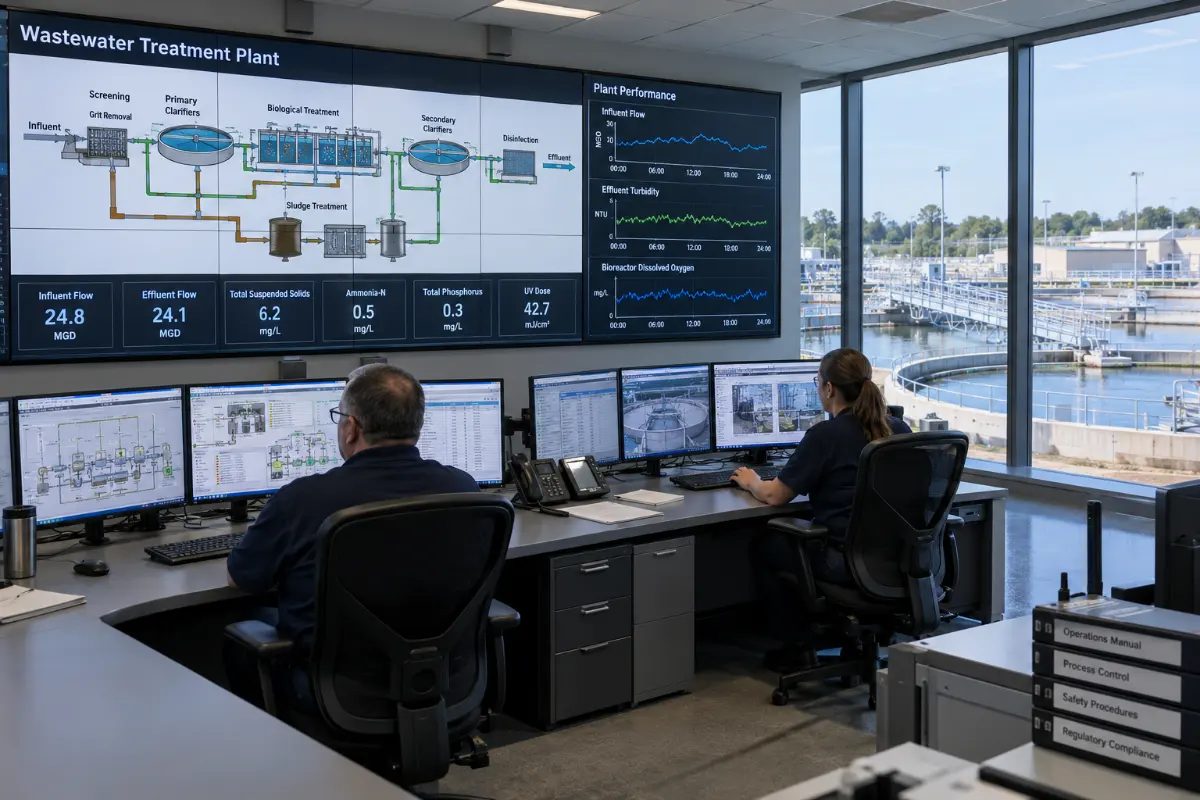
Ask to see photos or video of similar units under construction. A supplier with a real fabrication track record can show you work in progress, not just finished equipment photographed from one angle.

Documentation and Compliance
Documentation is often treated as an afterthought, but it is one of the strongest signals of whether a supplier is organized and reliable. The package you should expect includes:
- Process flow diagram (PFD) and piping and instrumentation diagram (P&ID)
- Mass and energy balance
- Equipment datasheets and material certificates
- Welding and NDT records
- Test reports (hydrostatic, performance, FAT)
- Operation and maintenance manuals in your language
- Instrument calibration certificates
- Electrical drawings and PLC/HMI backups
- Spare parts list with recommended first-year spares
If any of these are missing or promised “after shipment,” push back. Missing documentation creates real operational problems — you cannot troubleshoot what you cannot see, and you cannot order spares without correct part numbers.
Compliance with local discharge rules is your responsibility, but a good supplier will help you understand what the evaporator can and cannot achieve. For context on typical discharge requirements that drive evaporator selection, the U.S. EPA effluent guidelines and the World Bank environmental standards are useful references for understanding the levels of treatment that may be required.
Energy, Operating Cost, and Lifecycle Economics
Capital cost is easy to compare. Operating cost is where projects live or die. When you evaluate offers, build a simple lifecycle model that includes:
| Cost Item | Typical Range (Indicative) | Main Drivers |
|---|---|---|
| Electricity (MVR) | 15–40 kWh per ton evaporated | Boiling point elevation, compressor efficiency |
| Steam (multi-effect) | 0.3–1.0 ton steam per ton evaporated | Number of effects, feed preheating |
| Cooling water | Project-dependent | Condenser duty, ambient conditions |
| Antiscalant / chemicals | Project-dependent | Water chemistry, cleaning frequency |
| Maintenance | 2–5% of capital per year | Compressor type, materials, operating hours |
| Cleaning downtime | Project-dependent | Fouling tendency, clean-in-place design |
These are indicative ranges only. Actual values depend heavily on your water and operating conditions. I always ask suppliers to state their assumed values explicitly so I can compare offers on the same basis.
For a deeper look at how capital and operating costs break down for MVR systems, this analysis of MVR evaporator cost drivers is a good starting point.
“The cheapest evaporator is rarely the cheapest project. By the time you add cleaning chemicals, downtime, and premature tube replacement, the low-bid unit often costs more over five years than the well-designed one.” — a plant manager I worked with after a low-cost MVR retrofit failed within eighteen months.
Site Conditions and Integration
An evaporator does not run in isolation. It needs feed pumps, pretreatment, concentrate handling, condensate polishing, and a control system that talks to your plant. Before you finalize the supplier, confirm:
- Available footprint and headroom — evaporators are tall and heavy.
- Structural loading on the floor or platform.
- Steam, power, cooling water, and compressed air capacities.
- Corrosion protection for the surrounding structure.
- Noise limits — compressors and vacuum pumps can be loud.
- Integration with existing DCS or SCADA.
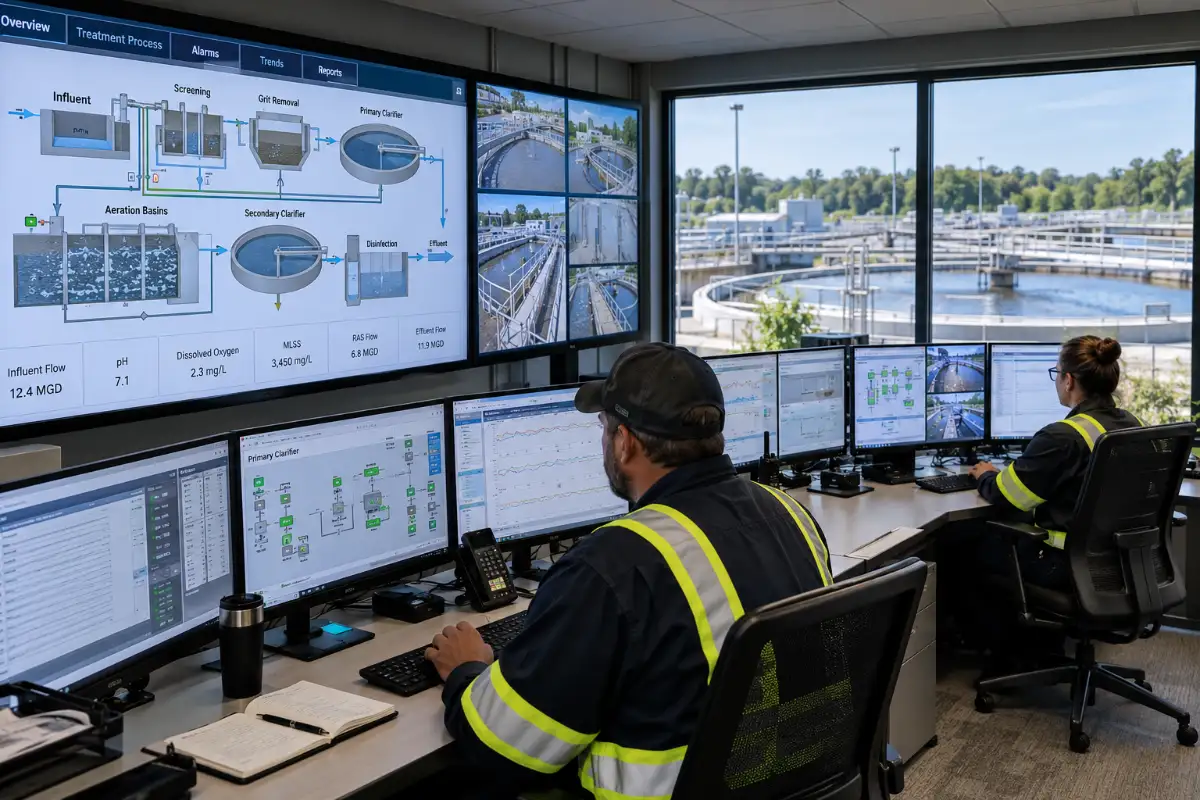
If the supplier’s scope stops at the skid boundary, someone else has to design the interfaces. That gap is where schedule delays and cost overruns come from. I prefer suppliers who will at least review the interface drawings and comment, even if they do not supply the auxiliary equipment.
For plants that also need upstream volume reduction, a zero liquid discharge system layout is worth discussing early, because it changes the evaporator feed quality and the required concentration factor.
Commissioning, Training, and After-Sales Support
The equipment is only as good as the people running it. A serious supplier sends a commissioning engineer who stays long enough to demonstrate stable operation, not just startup. Ask for:
- A written commissioning plan with clear acceptance criteria.
- Operator training on normal operation, cleaning, and troubleshooting.
- Performance test procedure and the guaranteed values.
- Response time commitments for technical support.
- Spare parts availability and lead times.
- Remote diagnostics capability, if offered.
If the supplier cannot describe how they handle a fouling event or a compressor trip, that tells you a lot about how they will support you in year two. Good vendors have seen these problems before and have procedures ready.
Commercial and Contract Checks
Finally, the commercial side. Even a technically strong offer can go wrong if the contract is vague. Make sure it covers:
- Scope split — what is included and what is not.
- Performance guarantees and the test method used to verify them.
- Delivery schedule with milestones and penalties.
- Payment terms tied to progress, not just shipment.
- Warranty period and what it covers.
- Spare parts and consumables for the first year.
- Governing law and dispute resolution.
- Documentation deliverables and language.
I always recommend a technical clarification meeting before contract signature, with the process engineer who will actually design the unit on the call. Sales engineers are good at selling; process engineers are good at designing. You want to hear from the second group.
Common Failure Modes I Have Seen
To make the checks concrete, here are failure patterns that repeat across projects:
- Under-designed heat exchanger area. Performance drops within weeks; cleaning becomes constant.
- Wrong material for chloride level. Stress corrosion cracking in tubesheets and welds.
- Compressor mismatch. Surging, high power draw, or capacity far below nameplate.
- Insufficient pretreatment. Oil, hardness, or silica carry into the evaporator and foul it.
- Control system not tuned. Level, density, and temperature loops oscillate, causing upsets.
- Missing documentation. Operators cannot troubleshoot; spares are ordered by guesswork.
- No commissioning support. Plant runs in manual mode for months, wasting energy and chemicals.
Each of these is preventable with the checks described above. The pattern is always the same: the buyer skipped a design review, accepted a low price, and paid for it in operation.
A Practical Checklist Before You Sign
Here is the short version I give clients before they commit:
- Complete water analysis, with variability range.
- Mass and energy balance from the supplier, specific to your water.
- Clear process selection rationale (single, double, triple effect, MVR, or hybrid).
- Heat exchanger area, fouling factor, and material justification.
- Compressor model, efficiency, and references in similar service.
- Fabrication inspection plan with hold points.
- FAT protocol and acceptance criteria.
- Full documentation list, in your language.
- Lifecycle cost model with stated assumptions.
- Commissioning, training, and support commitments in the contract.
If a supplier can answer all ten of these clearly, you are in good shape. If they deflect on three or four, keep looking.
If you want a second set of eyes on a proposal or a water analysis before you commit, our engineering team at Memvatop reviews evaporator designs and helps buyers compare offers on technical merit.
Frequently Asked Questions
How do I know if I need an MVR or a multi-effect evaporator?
Start with your energy situation. If you have cheap, reliable steam and moderate flows, a multi-effect unit is often simpler and more forgiving. If steam is unavailable or expensive, and your electricity supply is stable, an MVR unit usually has lower operating cost. The deciding factors are steam price, electricity price, flow rate, and scaling tendency. A proper comparison uses specific energy consumption per ton evaporated, not just equipment price.
What water analysis parameters matter most for evaporator design?
Chlorides, hardness, silica, TDS, TSS, and pH are the core parameters. Chlorides drive material selection. Hardness and silica drive scaling risk and cleaning frequency. TDS and TSS determine the concentration factor and pretreatment needs. Oil and organics matter too, because they can foul heat transfer surfaces and cause foaming. Always provide a range, not a single sample, because industrial wastewater varies.
How can I verify a supplier’s fabrication quality before shipment?
Use a third-party inspection with defined hold points. Check material certificates against actual components, review welding procedures and welder qualifications, witness non-destructive testing, and attend a factory acceptance test. Ask for photos or video of similar units under construction. A supplier with a real track record will welcome this; one without will resist it.
What is a reasonable maintenance cost for an industrial evaporator?
As an indicative range, plan for 2 to 5 percent of capital cost per year in maintenance, depending on compressor type, materials, operating hours, and water chemistry. High-fouling streams push this higher. The biggest variable is cleaning frequency, which depends on pretreatment quality and antiscalant program. Ask the supplier to state their assumed maintenance cost so you can compare offers fairly.
What should happen during commissioning?
Commissioning should include a written plan, a performance test against guaranteed values, operator training, and a defined handover. The supplier should demonstrate stable operation at design conditions, not just startup. You should receive updated P&IDs, as-built drawings, calibration records, and a spare parts list. If the supplier cannot describe how they handle a fouling event or a compressor trip, treat that as a red flag.
How do I compare offers from different suppliers?
Normalize everything. Ask each supplier to state their assumed water quality, fouling factor, steam economy or specific power, materials of construction, compressor model, and scope split. Then build the same lifecycle cost model for each offer. The lowest capital cost rarely wins on total cost of ownership. A technically strong offer with clear assumptions is worth more than a cheap offer with vague ones.
What documentation should I insist on before final payment?
Insist on the full documentation package before releasing final payment: PFD, P&ID, mass and energy balance, equipment datasheets, material certificates, welding and NDT records, test reports, O&M manuals in your language, instrument calibration certificates, electrical drawings, PLC/HMI backups, and a spare parts list. Missing documentation creates operational problems that are expensive to fix later.