

If you’re comparing MVR evaporator suppliers, the fastest way to separate serious vendors from catalog resellers is to ask for their actual design basis — not a brochure. A real supplier will walk you through your water chemistry, required evaporation rate, compressor selection, heat exchanger materials, and turndown strategy before quoting a price. In my experience reviewing dozens of proposals for zero liquid discharge (ZLD) and high-salinity wastewater projects, the vendors who win long-term are the ones who can explain why their design works for your specific feed, not the ones with the lowest number on the first page. This article breaks down how I evaluate MVR (mechanical vapor recompression) suppliers across engineering depth, references, cost structure, and service capability.

Start With Your Own Water, Not the Vendor’s Brochure
Before you talk to anyone, get a full water analysis. I mean the complete panel: total dissolved solids, chlorides, sulfates, hardness, silica, COD, TOC, oil and grease, pH, and any volatile organics. If you skip this step, every supplier will quote against assumed conditions, and the quotes become meaningless.
Why does this matter so much for MVR? Because mechanical vapor recompression systems concentrate your wastewater to near-saturation. At that point, scaling, corrosion, and foaming behavior dominate the design. A feed with 3,000 mg/L silica behaves completely differently from one with 300 mg/L. A chloride-rich stream at 60,000 mg/L will destroy 316L stainless steel in months, while a sulfate-dominant stream might be fine.
I’ve sat in meetings where three vendors quoted the same project with wildly different heat exchanger materials — one proposed 316L, another duplex 2205, another titanium — and none of them had asked for the chloride level. That tells you they weren’t designing; they were guessing.
So the first filter for any supplier is simple: do they ask for a complete water analysis before they quote, or do they send a standard spec sheet? If it’s the latter, move on.
What Actually Separates a Good MVR Supplier From a Weak One
Once you have your water data, you can start comparing on substance. Here’s what I look at, in order of importance.
1. Design Basis and Heat Balance Transparency
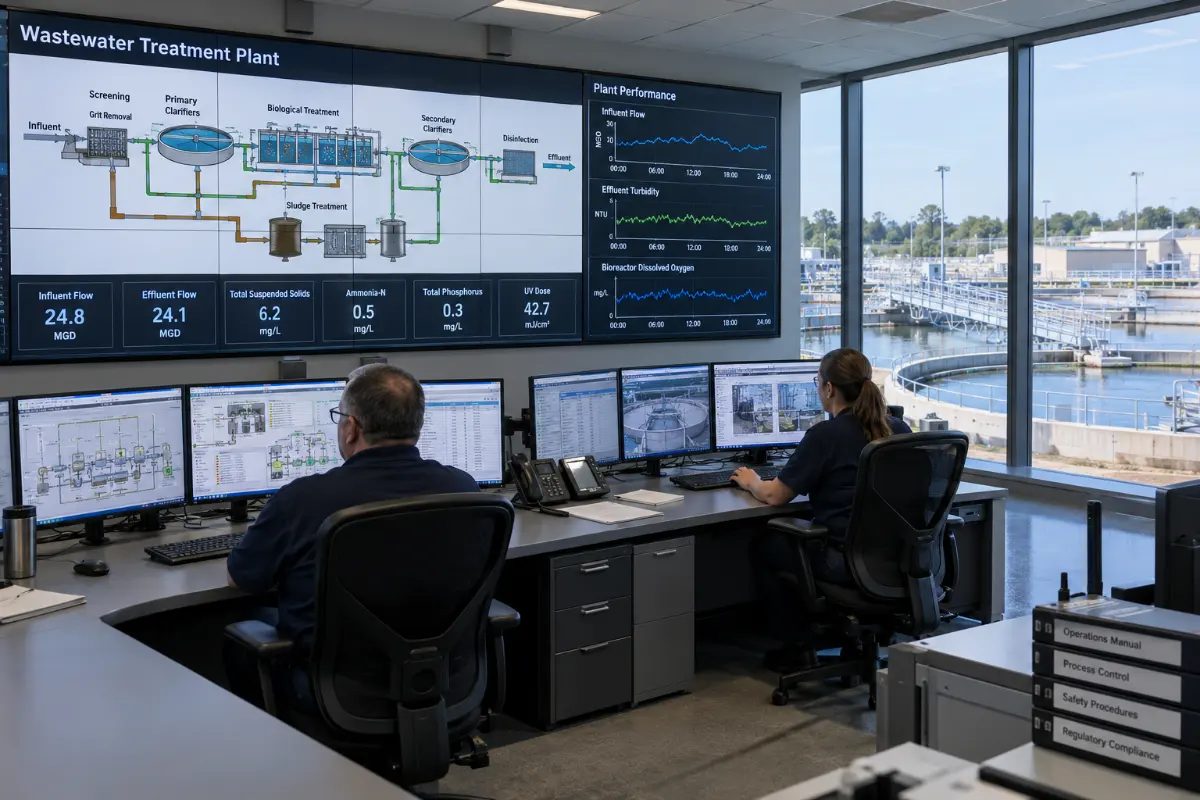
A credible supplier will show you a heat and mass balance. You should see the evaporation rate, the compressor pressure ratio, the boiling point elevation, the temperature difference across the heat exchanger, and the expected steam consumption (which for a well-designed MVR should be near zero after startup).
If a vendor refuses to share the heat balance or hides it behind an NDA before you’ve even signed anything, that’s a red flag. Good engineers are proud of their calculations. Weak ones hide them because they copied them.
Typical design ranges I see for industrial MVR systems:
- Evaporation capacity: 0.5 to 50 t/h per unit, project-dependent
- Compressor pressure ratio: 1.2 to 1.8, depending on boiling point elevation
- Specific energy consumption: 15 to 45 kWh per ton of evaporated water, strongly dependent on feed properties and design margin
- Concentration factor: 5x to 20x, limited by scaling and viscosity
These are indicative ranges. Your actual numbers depend on your feed and your required concentrate quality.
2. Compressor Selection and Provenance
The compressor is the heart of an MVR system. It’s also where the cheapest suppliers cut corners. Ask specifically:
- Is it a centrifugal or Roots-type blower? Centrifugal handles higher flows; Roots handles higher pressure ratios at lower flows.
- Who manufactures it? Is it a name-brand unit or a generic import?
- What’s the turndown capability? Can it run at 60% load without surging?
- What’s the maintenance interval and spare parts lead time?
I’ve seen projects where the compressor alone was 40% of the total equipment cost, and the supplier tried to substitute a cheaper unit after contract signing. That’s why you specify the compressor brand and model in the purchase order, not just the performance.
For a deeper look at how compressor-driven evaporation works, see this overview of compressor wastewater evaporator design.
3. Heat Exchanger Design and Materials
This is where most operating problems show up. Scaling and corrosion kill heat exchangers, and once they foul, your energy consumption climbs and your capacity drops.
Ask the supplier:
- What heat exchanger type? Falling film, forced circulation, or plate?
- What material? And why that material for my chloride and sulfate levels?
- How do you handle scaling? Chemical cleaning, mechanical cleaning, or continuous seed circulation?
- What’s the expected cleaning frequency at my concentration factor?
For high-chloride streams, titanium or duplex stainless is often necessary. For high-sulfate streams, you may need to operate at lower concentration to avoid gypsum scaling. A supplier who can’t explain this trade-off doesn’t understand your water.
More detail on exchanger selection is available in this guide to MVC evaporator heat exchangers.
4. Pretreatment and System Integration
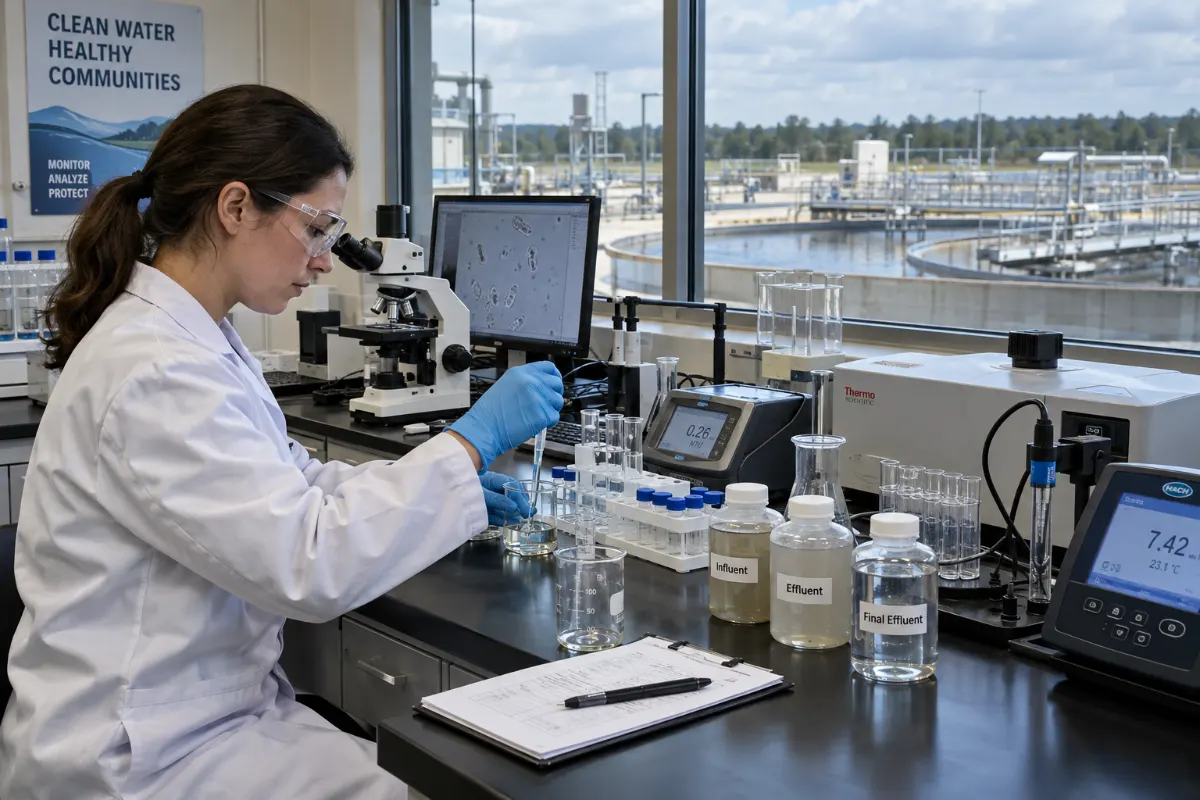
MVR doesn’t work in isolation. It usually sits downstream of pretreatment — softening, pH adjustment, degassing, sometimes membrane concentration. A good supplier will either provide the pretreatment or clearly define the interface conditions.
If they hand you an MVR unit and say “just feed it your wastewater,” they’re setting you up for failure. Ask them:
- What pretreatment do you require?
- What happens if my feed quality drifts?
- How does the system handle upset conditions?
In many ZLD projects, the MVR is the final concentration step after DTRO membrane systems or high-pressure RO have already reduced volume. The integration between these stages matters as much as the MVR itself.
Comparison Table: What to Score Each Supplier On
When I evaluate proposals, I use a weighted scoring sheet. Here’s a simplified version you can adapt.
| Criteria | What to Look For | Red Flag |
|---|---|---|
| Water analysis review | Detailed questions, site-specific design | Generic spec sheet, no questions asked |
| Heat and mass balance | Shared openly, with assumptions listed | Refused or “proprietary” |
| Compressor | Named brand, specified model, turndown data | “Equivalent” or unbranded |
| Heat exchanger material | Justified for your chemistry | Standard 316L for everything |
| Energy consumption | Realistic range with design margin | Impossibly low number |
| References | Similar feed, verifiable, contactable | Only photos, no names |
| Service and spares | Local presence, defined response time | “We’ll support remotely” |
| Warranty | Performance-based, clear terms | Vague or short |
| Total cost of ownership | 5–10 year view including energy and maintenance | Only CAPEX quoted |
Score each supplier honestly. The lowest CAPEX rarely wins over a ten-year horizon.
Understanding the Real Cost Structure
MVR evaporator cost has two parts: capital and operating. Most buyers focus on capital, but operating cost dominates over the life of the equipment.
Capital Cost Drivers
- Evaporation capacity (t/h)
- Compressor type and brand
- Heat exchanger material and surface area
- Concentration factor and required concentrate quality
- Level of automation and instrumentation
- Pretreatment scope
- Site conditions (indoor/outdoor, hazardous area classification)
Operating Cost Drivers
- Electricity for the compressor (the biggest line item)
- Cleaning chemicals and frequency
- Replacement parts, especially compressor wear items
- Labor for operation and maintenance
- Disposal of concentrate or crystallized salt
For a realistic breakdown of what drives MVR pricing, see this analysis of MVR evaporator cost, CAPEX, and OPEX.
A supplier who can’t give you a credible OPEX estimate — including cleaning frequency and power consumption at your design point — isn’t ready to be your partner. Ask them to model three scenarios: design case, 80% load, and upset condition.
References and Site Visits: The Reality Check
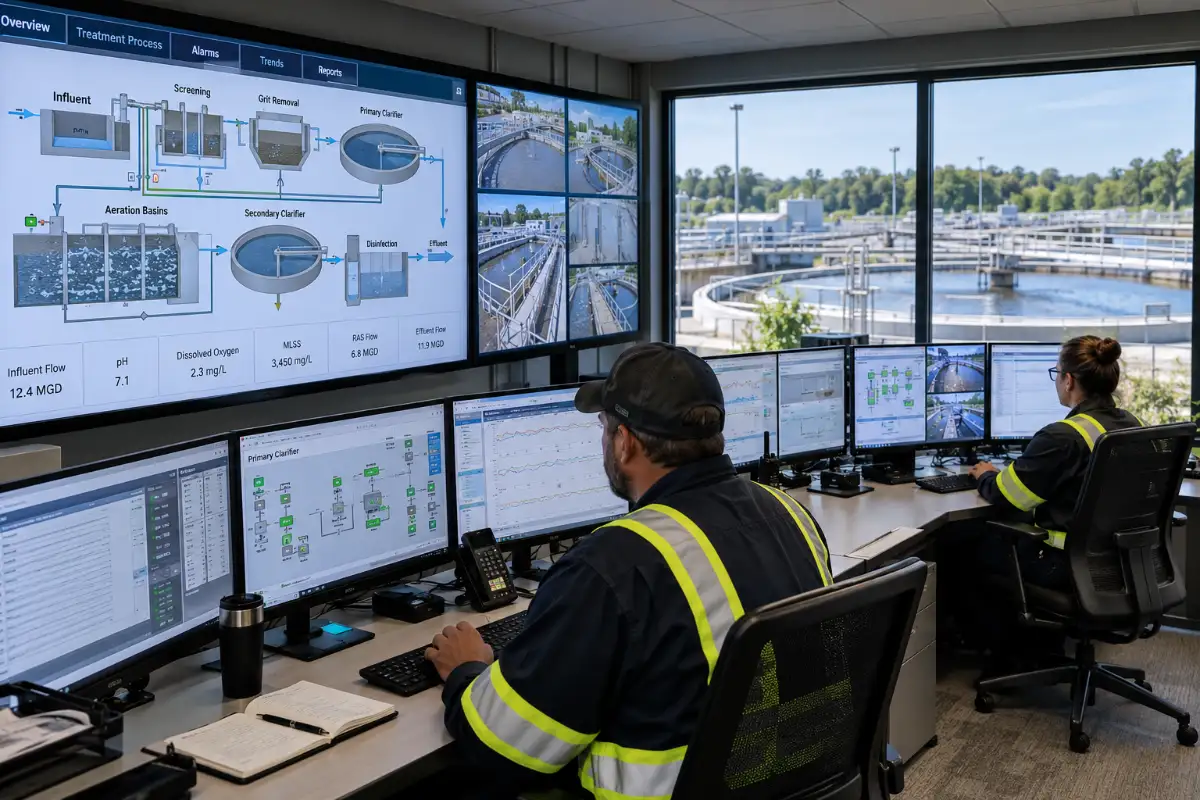
Every supplier will show you photos of installed systems. Photos prove nothing. What matters is whether you can talk to an operator at a running site with similar feed chemistry.
When you ask for references, be specific:
- Find a site treating water with similar TDS and scaling tendency
- Ask about actual energy consumption vs. design
- Ask how often they clean the heat exchanger
- Ask about compressor reliability and downtime
- Ask how the supplier responded to problems
If a supplier can’t connect you with a satisfied operator, that’s a serious problem. In my experience, the best suppliers are eager to arrange these calls because their systems perform.
If a site visit isn’t possible, ask for operating logs. Real data — even anonymized — tells you more than any brochure.
Service, Spares, and Long-Term Support
MVR systems run for 15 to 25 years. The supplier relationship lasts as long as the equipment. So evaluate the service side as carefully as the technical side.
Ask:
- Where is your nearest service team?
- What’s your guaranteed response time for a compressor failure?
- Do you stock critical spares locally, or ship from overseas?
- Can you provide remote monitoring and diagnostics?
- What training do you provide for our operators?
A cheap system with no local support becomes expensive fast. I’ve seen plants sit idle for weeks waiting for a compressor part because the supplier had no regional inventory.
For complex projects, the supplier’s ability to provide full lifecycle support — from design through commissioning and beyond — is often the deciding factor. You can review typical MVC evaporator service scopes to understand what good support looks like.
Common Mistakes When Comparing Suppliers
I’ve watched a lot of these comparisons go wrong. Here are the patterns:
- Comparing on price alone. The cheapest quote usually has the thinnest design margin, the cheapest compressor, and the shortest warranty.
- Not defining the design basis. If you don’t specify your water and your required output, every quote is apples-to-oranges.
- Ignoring turndown. Your plant won’t always run at 100%. If the system can’t turn down to 50%, you’ll waste energy or shut down.
- Skipping the reference check. A phone call to a real operator saves months of regret.
- Underestimating pretreatment. MVR is not a magic box. It needs proper upstream conditioning.
- Forgetting about concentrate disposal. The MVR produces a concentrate or salt. Who handles it? At what cost?
Each of these has sunk projects I’ve been involved with. The pattern is always the same: the buyer optimized for the wrong thing.
How MVR Fits Into a Broader ZLD Strategy
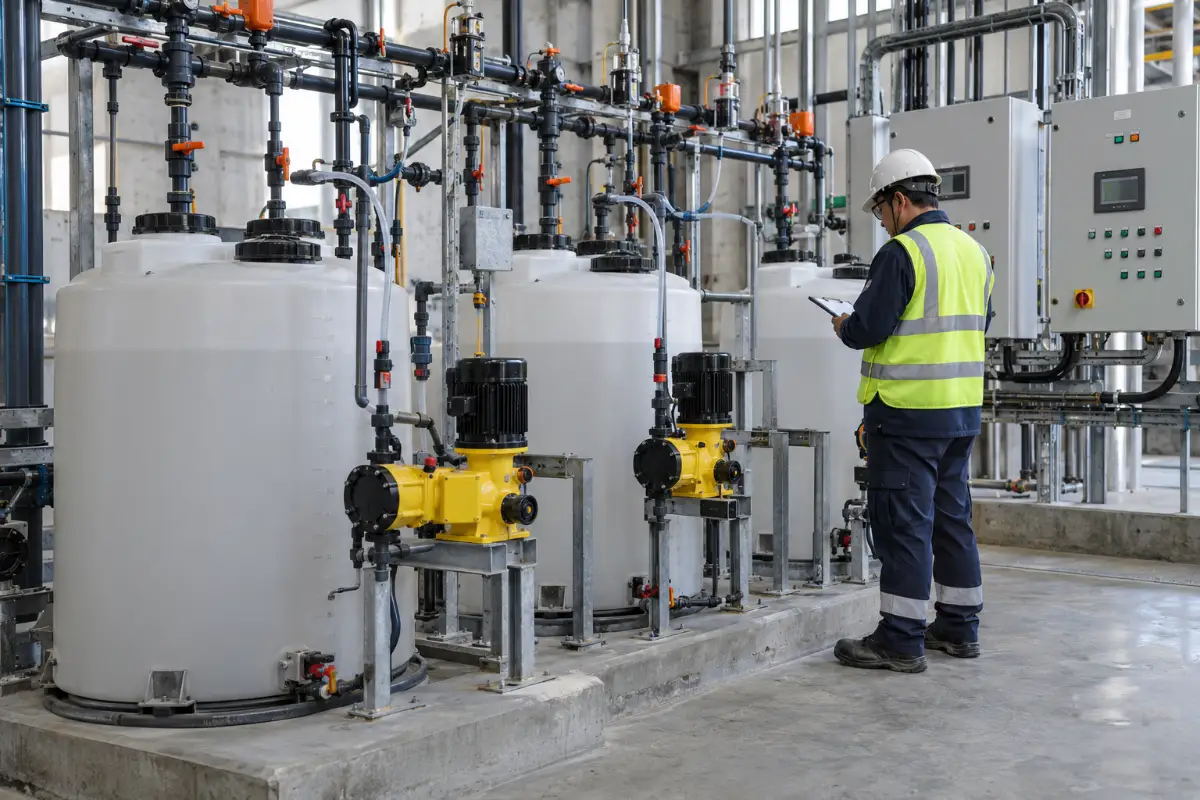
MVR is rarely the whole solution. In most industrial ZLD projects, it’s the final concentration step after membrane systems have done the bulk of the volume reduction.
A typical train looks like this:
- Primary treatment (oil removal, neutralization, clarification)
- Membrane concentration (RO, DTRO, or high-pressure RO)
- MVR evaporation to near-saturation
- Crystallization or solidification of the concentrate
The MVR supplier needs to understand the upstream and downstream stages, not just their own box. If they don’t ask about your membrane system or your salt disposal plan, they’re not thinking about your project as a whole.
For context on how these systems fit together, see this overview of zero liquid discharge (ZLD) systems.
Regulatory pressure is also a factor. Discharge limits in many regions are tightening, and the U.S. EPA’s effluent guidelines for industrial categories continue to push facilities toward near-zero discharge. The EPA Effluent Guidelines program is a good starting point for understanding what applies to your industry. Similarly, the World Bank’s water resources work provides useful context on industrial water management trends.
Questions to Ask Before You Sign
Here’s my short list. If a supplier can’t answer these clearly, keep looking.
- What’s the design basis for my specific water?
- Can you show me the heat and mass balance?
- What compressor are you using, and why?
- What heat exchanger material, and why?
- What’s the expected cleaning frequency?
- What’s the guaranteed energy consumption at design and at 70% load?
- Can I talk to an operator at a similar site?
- What’s your response time for a critical failure?
- What’s the total cost of ownership over 10 years?
- What happens if my feed quality changes?
If you get clear, specific answers to all ten, you’re probably talking to a real supplier. If you get vague answers or deflection, you’re not.
If you want a second opinion on your design basis or proposals, you can reach out to our engineering team — we review MVR and ZLD proposals regularly and can help you spot the gaps before you commit.
Frequently Asked Questions
What’s the biggest difference between a good and a bad MVR evaporator supplier?
The biggest difference is whether they design for your specific water or quote a standard package. Good suppliers ask detailed questions about your chemistry, scaling tendency, and operating profile before quoting. Weak suppliers send a spec sheet and a price.
How much does an MVR evaporator cost?
Capital cost typically ranges from several hundred thousand to several million dollars depending on evaporation capacity, materials, compressor type, and scope. Operating cost is dominated by electricity, which is why design efficiency matters more than initial price over a 10-year horizon.
How often does an MVR system need cleaning?
Cleaning frequency depends on your feed chemistry and concentration factor. Some systems clean monthly, others quarterly. High-silica or high-hardness feeds require more frequent cleaning. Ask your supplier for a realistic estimate based on your water analysis.
Can an MVR evaporator handle high-chloride wastewater?
Yes, but material selection is critical. High-chloride streams require titanium, duplex stainless, or other corrosion-resistant alloys. Standard 316L will fail quickly. Always specify materials based on your actual chloride level, not a generic assumption.
What’s the typical energy consumption of an MVR evaporator?
Most industrial MVR systems consume 15 to 45 kWh per ton of evaporated water, depending on boiling point elevation, compressor efficiency, and design margin. This is far lower than multi-effect evaporators, which is the main reason MVR is preferred when electricity is available.
Do I need pretreatment before an MVR evaporator?
Almost always yes. Softening, pH adjustment, degassing, or oil removal are common. Feeding raw wastewater directly to an MVR usually leads to rapid fouling, corrosion, or foaming. The pretreatment scope should be clearly defined in the supplier’s proposal.
How long does an MVR system last?
With proper maintenance, 15 to 25 years is realistic. The compressor and heat exchangers are the main wear items. Longevity depends heavily on feed quality control, cleaning discipline, and spare parts availability.
What happens to the concentrate produced by an MVR?
The concentrate is either further crystallized into solid salt, sent for off-site disposal, or in some cases reused as a byproduct. Concentrate handling is a significant part of total project cost and should be planned from the start.