

If you’re sourcing a DTRO membrane system, the honest answer is that the manufacturer matters less than whether their design matches your leachate or high-salinity wastewater chemistry. DTRO (disc tube reverse osmosis) is a specific tool, not a universal upgrade over spiral-wound RO. I’ve watched plants buy a skid because the vendor had a nice catalog, then fight fouling and scaling for two years because nobody modeled the feed water properly. This guide covers what actually separates a good DTRO membrane system manufacturer from a catalog reseller: hydraulic design, membrane element sourcing, pretreatment integration, service depth, and the lifecycle cost math most buyers skip.
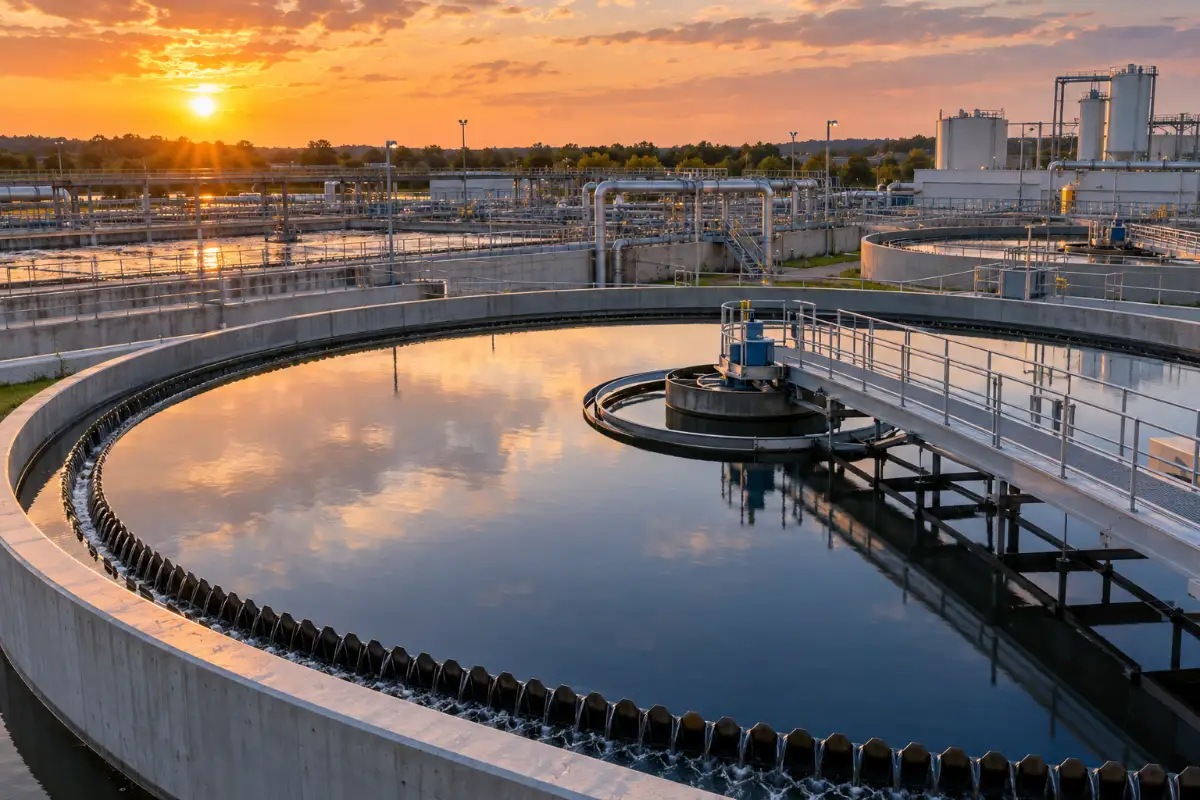
Why DTRO Exists and Where It Actually Fits
Standard spiral-wound RO elements pack membrane into a tight envelope. That’s efficient for clean water, but landfill leachate, incinerator scrubber blowdown, and many industrial brines carry suspended solids, organics, and scaling ions that clog the feed spacer within weeks. DTRO solves that by using open-channel disc stacks. The feed flows across the membrane surface instead of through a narrow mesh, so particles pass through without lodging.
That geometry buys you three things:
- Tolerance for higher suspended solids and turbidity than spiral RO
- Easier cleaning because the flow path is wider and more accessible
- Higher recovery per stage in some high-salinity duty, since you can run multiple stages in series with interstage pressure boosting
What it doesn’t buy you is immunity to pretreatment failure. I’ve seen DTRO skids fouled solid in six months because the upstream sand filter was undersized and the antiscalant dosing pump was calibrated wrong. The membrane technology is forgiving, not magic.
What Separates a Real Manufacturer From a Reseller
When you shortlist DTRO membrane system manufacturers, you’re really evaluating four capabilities. Ask for evidence on each.
1. Hydraulic and process design capability
A real manufacturer runs mass balance and scaling models on your actual water analysis. They’ll tell you the expected recovery range, the concentration factor at each stage, and where scaling risk concentrates. If a vendor quotes recovery without asking for a full ion analysis, walk away. Typical DTRO recovery for leachate sits in a project-dependent band — often 75–85% for well-pretreated leachate, lower if you’re pushing toward near-zero liquid discharge. Anyone promising 95% recovery on raw leachate without pretreatment is selling you a service contract you’ll pay for later.
2. Membrane element supply chain
DTRO elements are a narrower market than spiral elements. Ask where the discs come from, what the replacement interval looks like, and whether the manufacturer stocks spares. A three-month lead time on replacement discs means three months of reduced capacity. This is where a lot of “manufacturers” are actually assemblers who buy elements and skid frames separately.
3. Pretreatment integration
DTRO doesn’t replace pretreatment; it changes what pretreatment needs to do. I usually see this sequence upstream of a DTRO skid:
- Coarse screening and equalization
- Chemical softening or pH adjustment if hardness is high
- Media filtration or ultrafiltration for suspended solids removal
- Cartridge filtration as a final guard
- Antiscalant and possibly biocide dosing
A manufacturer who only supplies the DTRO skid and leaves pretreatment design to someone else is handing you an integration risk. The good ones either design the full train or explicitly define the feed water envelope they’ll warranty against.
4. Service and commissioning depth
Commissioning a DTRO system is not plug-and-play. The first weeks set the operating baseline — flux, pressure differential, recovery, cleaning frequency. If the manufacturer sends a technician who runs the startup and hands over a manual, that’s the minimum. Better is a manufacturer who trains your operators on cleaning triggers and gives you a data template to track performance drift.
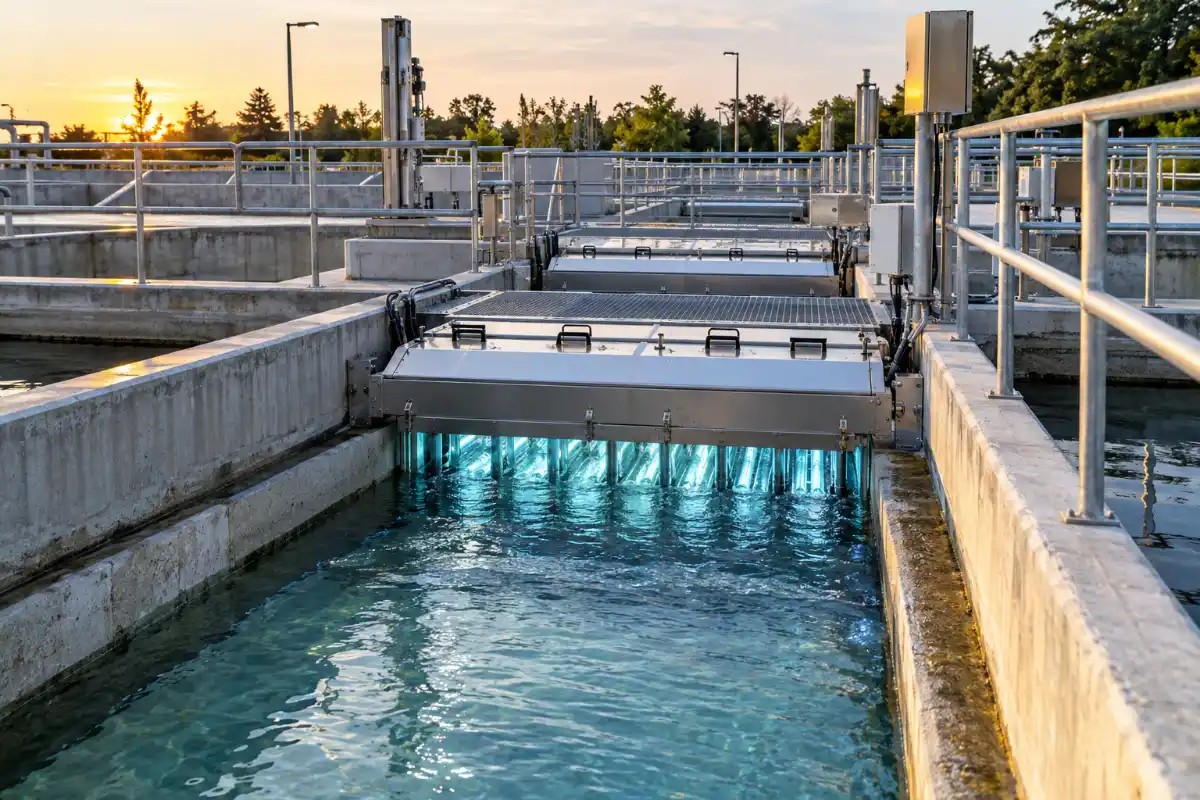
DTRO vs. Spiral RO vs. Evaporative Concentration
DTRO is one option in a broader concentration strategy. Here’s how the main paths compare for high-salinity industrial wastewater.
| Approach | Best fit | Typical constraint | Relative energy draw |
|---|---|---|---|
| Spiral-wound RO | Clean, low-fouling water; brackish polishing | Fouls fast on organics and suspended solids | Low |
| DTRO | Leachate, high-salinity brine, fouling-prone feed | Higher capital cost; element supply chain | Moderate to high |
| MVC / MVR evaporator | Concentration to near-dry solids; ZLD trains | Scaling and corrosion; higher power demand | High |
| Multi-effect evaporator | Large flows where steam is cheap or available | Steam dependency; larger footprint | Moderate if steam is low-cost |
In practice, most zero liquid discharge trains use DTRO or high-pressure RO to concentrate first, then an evaporator to finish. That combination cuts evaporator size and energy load substantially. If you’re building toward ZLD, the membrane stage is what makes the thermal stage affordable. You can read more on ZLD system design and how the membrane and thermal stages interact.
The Buying Criteria That Actually Predict Trouble
Over the years I’ve narrowed the vendor evaluation down to a handful of questions that expose weak design before you sign.
Water analysis completeness
Give every shortlisted vendor the same full analysis: cations, anions, silica, TDS, COD, TOC, suspended solids, pH, temperature, and any heavy metals. Then compare their scaling indices and pretreatment recommendations. If two vendors disagree by a wide margin on required softening, one of them hasn’t done the work.
Recovery and flux claims
Ask for the design flux and the basis for it. Flux is where systems fail — too high and you foul constantly, too low and you overspend on membrane area. A manufacturer should be able to explain why their flux target fits your fouling tendency, not just cite a number.
Cleaning protocol and chemical compatibility
Every DTRO system will need cleaning. Ask what cleaning chemicals are recommended, how often, and whether the membrane elements tolerate the pH range those chemicals require. Some high-salinity feeds need aggressive cleaning that shortens element life. Knowing the trade-off upfront beats discovering it in year two.
Instrumentation and controls
Minimum instrumentation I’d want on any DTRO skid: feed and concentrate flow, pressure at each stage, conductivity on permeate and feed, temperature, and pH. Without that data you can’t diagnose fouling versus scaling versus membrane degradation. A cheap skid with poor instrumentation costs more in downtime than it saves in capital.
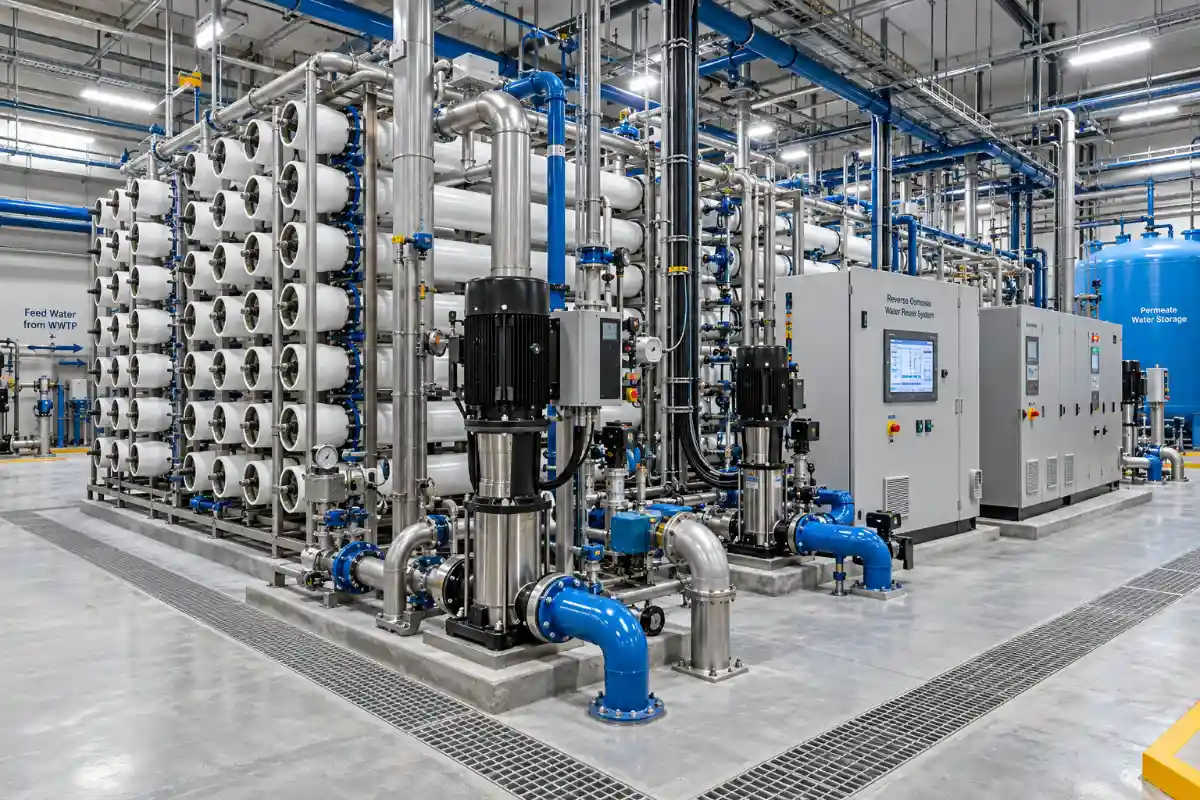
Energy, Cost, and Lifecycle Math
DTRO energy consumption scales with feed salinity and target recovery. For leachate-strength feed, specific energy typically lands in a project-dependent range — often 4 to 8 kWh per cubic meter of permeate for the membrane stage alone, before pretreatment and any thermal finishing. That’s higher than brackish RO because you’re pushing against higher osmotic pressure.
The cost picture that matters is lifecycle, not sticker price:
- Capital: skid, membranes, pretreatment, controls, installation
- Membrane replacement: element life varies with feed chemistry; budget for it from day one
- Chemicals: antiscalant, cleaning agents, pH adjusters
- Energy: high-pressure pumps dominate
- Labor: cleaning cycles and monitoring
- Downtime: the hidden cost when cleaning frequency climbs
A lower-capital skid that needs cleaning every two weeks will outspend a better-designed system within a few years. I always ask vendors for a cleaning frequency estimate and then sanity-check it against similar feeds.
If your concentrate needs to go further than the membrane can take it, the thermal stage becomes the next cost driver. Comparing MVR evaporator capital and operating cost drivers early helps you size the whole train instead of bolting on capacity later.
Integrating DTRO With Evaporative Concentration
For high-salinity wastewater heading toward minimal or zero liquid discharge, DTRO usually sits in front of an evaporator. The membrane concentrates the feed, the evaporator finishes the job. Getting the interface right is where projects succeed or stall.
Key integration points:
- Concentrate quality: the evaporator must handle whatever the DTRO rejects, including antiscalant carryover
- Recovery balance: over-concentrating in the membrane stage can push the evaporator into a scaling regime
- Energy split: membrane concentration is usually cheaper per unit of water removed than evaporation, so push recovery as far as scaling allows
- Turn-down: both stages need to handle variable feed flow without fouling or scaling during low-load periods
If you’re evaluating the thermal side, it’s worth understanding how mechanical vapor compression evaporators handle concentrated brine, and where a multi-effect design might be a better fit for your steam and power situation. The membrane and thermal stages should be designed together, not purchased separately and stitched on site.
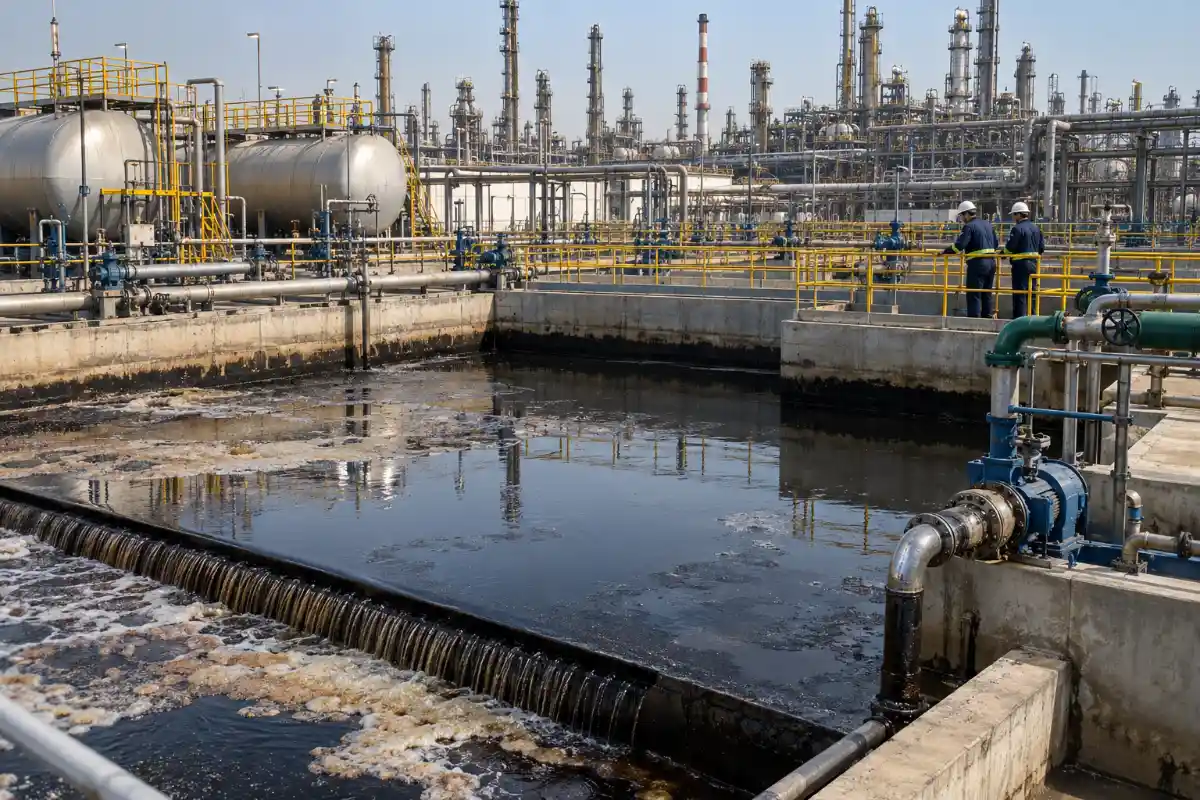
Common Failure Modes and How to Avoid Them
Most DTRO problems trace back to a handful of root causes. Recognizing them early saves a lot of pain.
Scaling on the concentrate side
As recovery climbs, sparingly soluble salts concentrate. If antiscalant dosing or softening is inadequate, you get scale that cleaning can’t fully remove. The fix is upstream: proper scaling modeling and pretreatment, not more cleaning cycles.
Organic and biological fouling
Leachate and food-processing wastewater carry organics that feed biofilm. Without biocide dosing or periodic sanitization, flux drops steadily. Watch pressure differential across stages — a rising differential at constant flow is your early warning.
Membrane element degradation
Aggressive cleaning, extreme pH, or oxidant exposure shortens element life. Track permeate conductivity and salt passage over time; a gradual rise means the barrier is weakening.
Pretreatment shortfalls
This is the most common and most preventable. Undersized filtration, failed dosing pumps, or skipped maintenance upstream all land on the DTRO skid. The membrane gets blamed; the real cause is upstream.
“The membrane is rarely the problem. It’s almost always what you let reach the membrane.” — a sentiment I’ve heard from more than one commissioning engineer, and it holds up in practice.
What to Ask Before You Commit
Here’s the shortlist of questions I’d put to any DTRO membrane system manufacturer:
- Can you show a mass balance and scaling model based on my water analysis?
- What recovery range are you designing for, and what limits it?
- What pretreatment do you require, and will you design it or just specify it?
- Where do the membrane elements come from, and what’s the replacement lead time?
- What’s the expected cleaning frequency, and on what basis?
- What instrumentation is included, and what data do I get for trending?
- What does commissioning include, and how do you train operators?
- What’s your spare parts and service response commitment?
If a vendor can answer all eight with specifics, you’re likely dealing with a real manufacturer. If they deflect on three or four, you’re dealing with a reseller.
Where DTRO Fits in a Broader Treatment Train
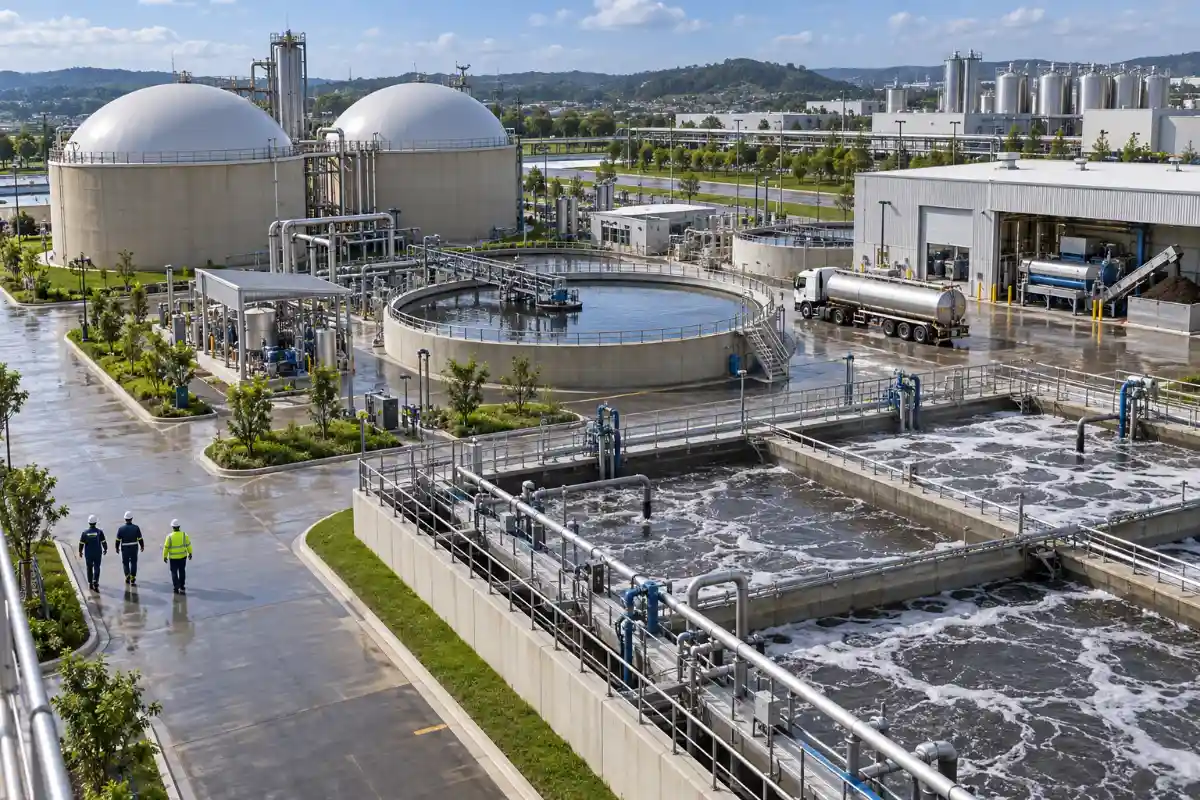
DTRO is one stage, not a whole plant. It works best when the upstream stages deliver a feed it can handle and the downstream stages can accept its concentrate. That means thinking about the full train from the start:
- Equalization and pH adjustment to stabilize feed
- Softening or precipitation if hardness is high
- Filtration to remove suspended solids
- DTRO or high-pressure RO for concentration
- Evaporator and crystallizer if you’re targeting ZLD
- Sludge or solids handling for the reject streams
Each stage has its own cost and failure mode. The membrane stage is often the cheapest place to remove water, which is why it goes first. But if the concentrate is unmanageable downstream, the whole train stalls. Designing the reject handling before you buy the membrane skid is the discipline that separates projects that run from projects that get rebuilt.
For industrial plants, the same logic applies whether you’re treating electroplating rinse water, pharmaceutical process wastewater, or leachate. The chemistry differs; the engineering sequence doesn’t. If you want to see how this plays out in practice, the landfill leachate treatment example shows the membrane-plus-thermal approach in a real train.
Frequently Asked Questions
How do I know if DTRO is the right choice over standard RO?
If your feed has meaningful suspended solids, organics, or scaling tendency, and standard RO fouls quickly, DTRO is worth evaluating. For clean brackish water, spiral RO is usually cheaper and just as effective. The deciding factor is fouling tendency, not salinity alone.
What recovery can I realistically expect from a DTRO system?
It depends heavily on feed chemistry and pretreatment. For well-pretreated leachate, 75–85% is a common design range. Pushing higher requires more pretreatment and more cleaning, and the economics stop making sense at some point. Ask for a modeled number, not a marketing number.
How often will I need to clean the membranes?
Cleaning frequency is a function of feed quality and operating conditions. A well-designed system on a stable feed might clean monthly; a poorly pretreated system might clean weekly. Treat any cleaning frequency estimate as a design assumption you’ll verify during commissioning.
What’s the biggest cost driver in a DTRO system?
Over the lifecycle, energy and membrane replacement usually dominate, followed by chemicals and labor. Capital is significant but not the largest long-term line. A cheaper skid that fouls more often can cost more than a better-designed one within a few years.
Can DTRO handle zero liquid discharge on its own?
No. DTRO concentrates but doesn’t eliminate liquid. ZLD requires a thermal stage — typically an evaporator and crystallizer — after the membrane stage. DTRO’s role is to reduce the volume the thermal stage has to handle, which cuts its size and energy demand.
How long do DTRO membrane elements last?
Element life varies with feed chemistry and cleaning regime. Aggressive cleaning and harsh feeds shorten it; gentler operation extends it. Track salt passage and pressure differential over time to know when replacement is due, rather than relying on a fixed interval.
What pretreatment is mandatory before a DTRO skid?
At minimum, suspended solids removal and antiscalant dosing. If hardness or silica is high, softening or pH adjustment is typically required. The exact train depends on your water analysis. A manufacturer who can’t specify pretreatment based on your analysis isn’t designing, they’re selling.
Should I buy the DTRO skid and evaporator from the same vendor?
Not necessarily, but someone has to own the interface. If two vendors supply the two stages, define who’s responsible for the concentrate quality and the operating envelope between them. Interface gaps are where projects fail.
The Bottom Line on Selecting a DTRO Manufacturer
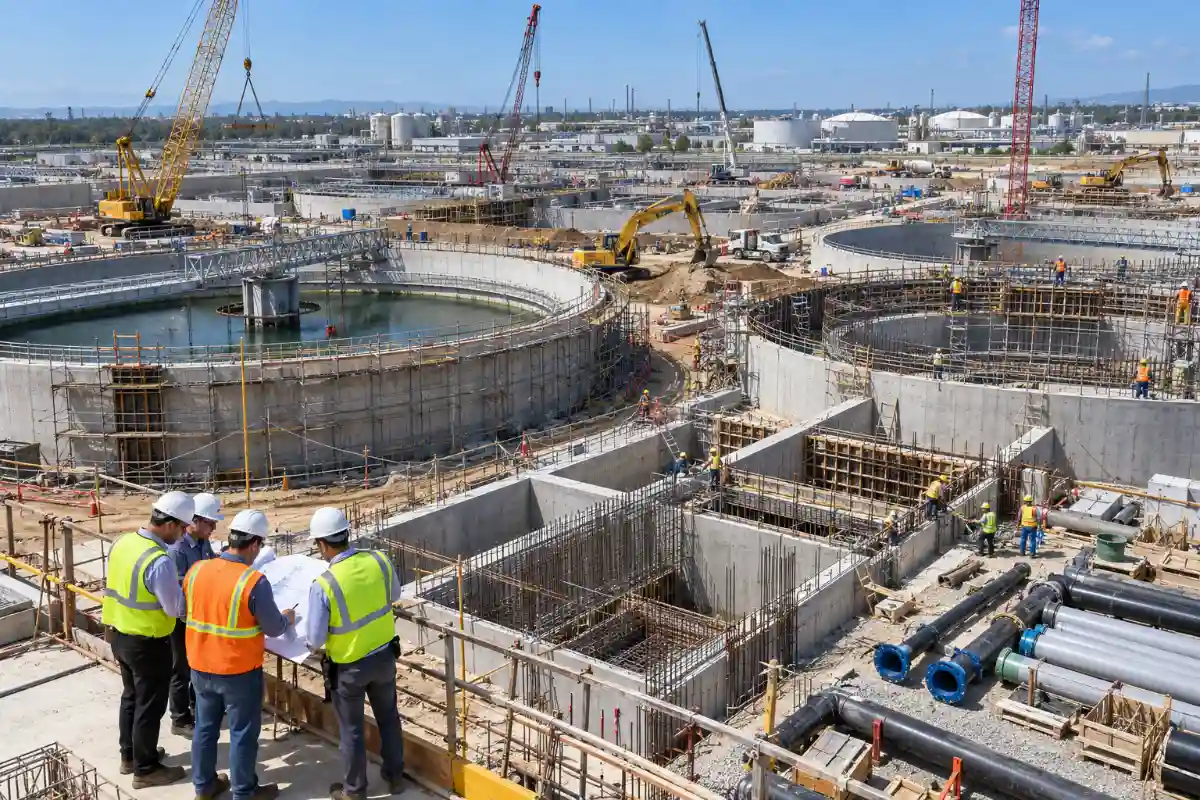
DTRO membrane system manufacturers are not interchangeable. The technology is sound, but the design work around it — pretreatment, scaling modeling, instrumentation, service — determines whether your system runs smoothly or becomes a maintenance burden. Evaluate vendors on their engineering depth, not their catalog. Ask for mass balances, scaling models, and cleaning frequency estimates based on your actual water. Check the membrane supply chain and spare parts commitment. And design the full train — membrane plus thermal plus solids handling — before you commit to any single skid.
Get those fundamentals right and DTRO will do what it’s supposed to: concentrate your hardest wastewater reliably, at a cost you can predict. Skip them and you’ll spend years chasing fouling that a better design would have prevented.
If you’re working through a specific feed water and want a second opinion on the design envelope, the DTRO membrane systems overview covers the configuration options, and you can reach out to compare notes on your project parameters.