

An industrial evaporator warranty is only as good as the company standing behind it. In my experience delivering wastewater evaporation systems, the equipment itself is rarely the problem — it’s what happens after startup that decides whether a plant runs for fifteen years or struggles from month three. A standard warranty typically covers 12 to 24 months for parts and workmanship, but the real value sits in what comes after: remote diagnostics, spare parts availability, operator training, and an engineer who actually answers the phone at 2 a.m. when your compressor trips. This article breaks down how industrial evaporator warranties and after-sales support really work, what to negotiate before you sign, and how to judge whether a supplier will still be there when you need them.
What an Industrial Evaporator Warranty Actually Covers
Most buyers read the warranty section last. I’d argue it should be the second thing you review, right after the process guarantee. Here’s the uncomfortable truth: a warranty that covers “defective materials and workmanship” for twelve months tells you almost nothing about the total cost of ownership.
What matters is the split between three categories:
- Manufacturing defects — weld failures, pump seals, instrument faults, control panel wiring. These should be covered without argument.
- Wear items — gaskets, mechanical seals, heat exchanger tube bundles, compressor bearings. Almost never covered, and this is where most of your maintenance budget goes.
- Performance guarantees — distillate quality, concentration ratio, specific energy consumption. These are contractual, not warranty, and they’re the ones that actually protect your investment.
I’ve seen contracts where the performance guarantee was buried in an appendix with a footnote excluding “feed variability.” That single clause can void the entire guarantee if your wastewater composition shifts — which it always does. Read the exclusions before you read the coverage.
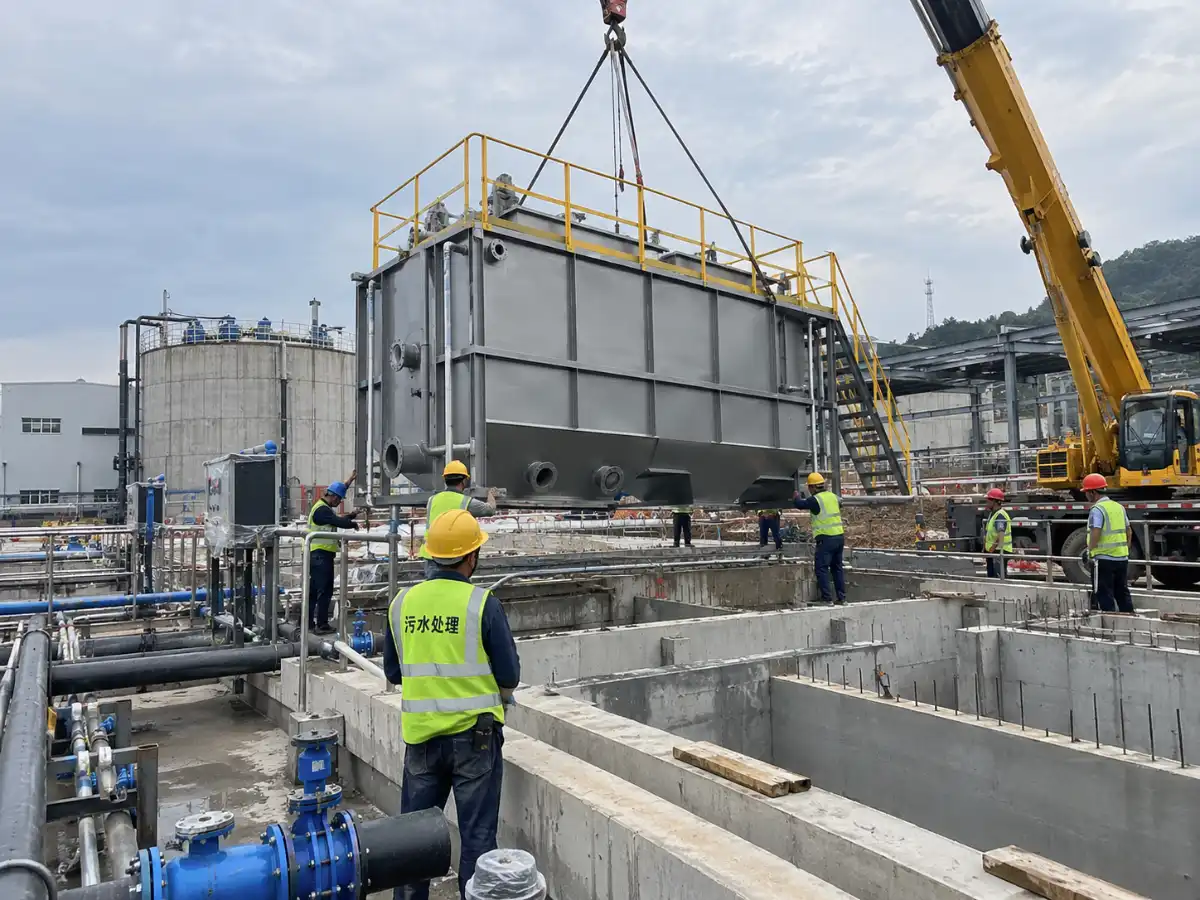
Typical Warranty Structures Across Evaporator Types
Different evaporator technologies carry different risk profiles, and that shows up in how suppliers structure their warranties. Here’s a comparison based on what I’ve seen across MVC, MVR, and multi-effect installations.
| System Type | Typical Warranty Period | Key Covered Components | Common Exclusions |
|---|---|---|---|
| Single-effect evaporator | 12–18 months | Vessel, heat exchanger, pumps, controls | Scaling, corrosion from uncharacterized feed |
| Double/triple-effect evaporator | 12–24 months | All wetted parts, interstage pumps, instrumentation | Tube fouling, gasket wear, chemical attack |
| MVC evaporator | 18–24 months | Compressor, heat exchangers, motor, VFD | Compressor wear from carryover, bearing life |
| MVR system | 18–24 months | Compressor, separator, heat exchangers | Rotor erosion, seal degradation, fouling |
| Membrane (DTRO/RO) pre-concentration | 12–36 months (membrane-specific) | Pressure vessels, skid, pumps | Membrane element life, fouling, chemical cleaning damage |
Notice the pattern. The more mechanically complex the system, the longer the warranty period tends to be — because suppliers know the compressor and heat exchanger are the parts most likely to fail early if something is wrong with the design. A short warranty on an MVC evaporator is a red flag.
The After-Sales Support That Separates Good Suppliers from Bad Ones
Warranty paperwork is easy to produce. Support infrastructure is not. When I evaluate a supplier for a client, I look at five things that have nothing to do with the warranty document.
1. Remote Diagnostics and Data Access
Modern evaporator control systems log thousands of data points — compressor current, evaporator temperature, circulation rate, conductivity, pressure differentials. A supplier with real after-sales capability will ask for remote access to that data before they ask you to describe the problem. If they can’t read your trend logs, every troubleshooting call starts from zero.
I’ve watched a fouling problem get diagnosed in forty minutes because the supplier pulled three weeks of heat transfer coefficient trends and spotted the decline pattern. Without that data, the same issue would have taken a site visit and two days of guesswork.
2. Spare Parts Strategy
Ask one question: “What’s the lead time on a compressor rotor?” If the answer is more than eight weeks, you need to know that before you sign, because that’s how long your plant will be down. Critical spares should either be stocked locally or held in a consignment arrangement.
The parts that matter most:
- Compressor bearings and seals
- Mechanical seals for circulation and transfer pumps
- Heat exchanger gaskets and tube bundles
- Control valves and instrumentation
- Anti-foam and anti-scale chemical dosing pumps
For MVC evaporator heat exchangers, tube bundle availability is often the longest lead item. Confirm it in writing.
3. Operator Training and Documentation
A well-trained operator prevents more downtime than any warranty clause. I insist on at least five days of on-site training during commissioning, plus a follow-up visit three to six months later once the plant has settled into real operating conditions. The follow-up matters more than the initial training, because by then operators have real questions.
Documentation should include P&IDs, operating procedures, troubleshooting flowcharts, and a maintenance schedule with actual intervals — not “as required.”
4. Response Time Commitments
Verbal promises mean nothing. Get it in the contract:
- Remote response within 4 hours for critical alarms
- On-site response within 48–72 hours for issues that can’t be resolved remotely
- Named service engineer assigned to your account
- Escalation path if the first response doesn’t solve it
For zero liquid discharge systems, where evaporator downtime halts the entire plant, these commitments are non-negotiable.
5. Performance Review Visits
The best suppliers schedule annual performance reviews — not sales visits, but engineering reviews where they compare current operating data against baseline commissioning data. This catches degradation before it becomes failure. Ask if this is included in the service agreement or billed separately.
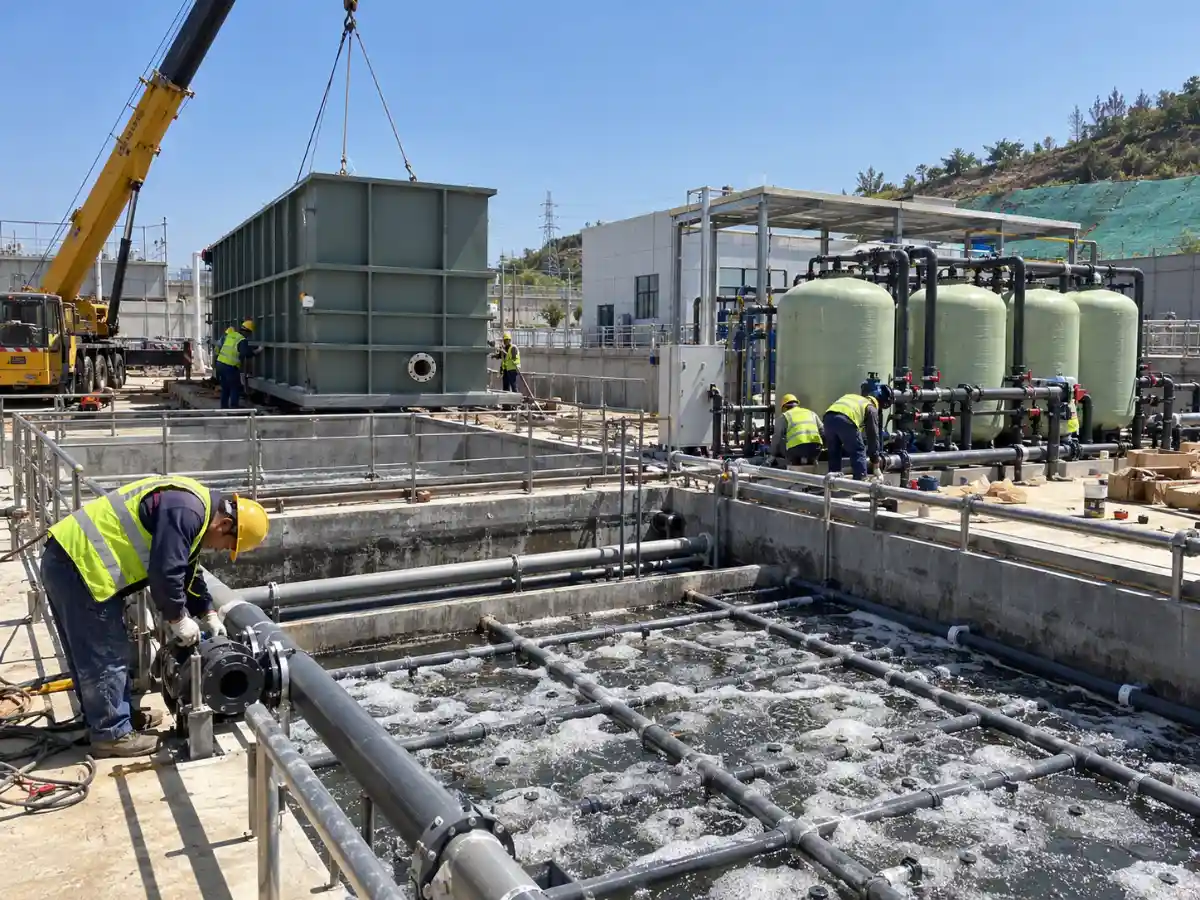
How Feed Chemistry Drives Warranty Risk
Here’s something most warranty disputes come down to: the feed wasn’t what the supplier was told it would be. I’ve seen this on both sides — buyers who understated variability and suppliers who didn’t ask enough questions.
Before you finalize any warranty terms, you need a complete feed characterization:
- Total dissolved solids and conductivity range
- pH range and buffering capacity
- Scaling ions — calcium, magnesium, silica, sulfate, carbonate
- Organics — COD, oils, solvents
- Chlorides and aggressive anions
- Temperature and flow variability
- Presence of foaming agents or surfactants
If your feed varies seasonally — which is common in landfill leachate treatment — the warranty should explicitly cover that range. A warranty written against a single-point feed analysis is worthless.
For high-scaling feeds, consider upstream softening or pre-concentration with DTRO membrane systems to reduce the thermal load on the evaporator. This also reduces warranty exposure because the evaporator operates in a more stable regime.
Common Warranty Disputes and How to Avoid Them
After enough projects, you start seeing the same arguments repeat. Here are the ones I’ve encountered most often, and how to prevent them.
| Dispute Type | Root Cause | Prevention |
|---|---|---|
| Heat exchanger tube failure | Scaling not addressed; cleaning chemical incompatible | Define cleaning protocol in contract; specify chemical compatibility |
| Compressor damage | Liquid carryover from poor separator design or operation | Require carryover protection; verify separator sizing |
| Corrosion claims | Feed chloride content higher than stated | Full feed analysis; material selection review |
| Performance shortfall | Ambient conditions or feed composition differed from design | Define design basis in writing; include tolerance bands |
| Control system failures | Power quality issues at site | Specify power conditioning; verify supply quality |
The pattern is clear: most disputes trace back to an incomplete or inaccurate design basis. Fix that at the contract stage and you eliminate most of the arguments.
What to Negotiate Before You Sign
Warranty terms are negotiable. I’ve helped clients extend coverage, add performance guarantees, and secure spare parts commitments that weren’t in the original offer. Here’s what to push for:
- Extended parts warranty on the compressor and heat exchangers — these are your highest-cost failure points. Push for 24 months minimum, 36 if you can get it.
- Performance guarantee with defined test protocol — specify how performance will be measured, over what period, and what happens if it’s not met.
- Spare parts pricing locked for 5 years — protects you from post-warranty price escalation.
- Service agreement with defined response times — include penalties for missed response commitments.
- Training included, not optional — at least two sessions, initial and follow-up.
- Remote monitoring access — supplier should have read access to your control system data.
Not every supplier will agree to all of these. How they respond tells you a lot about how they’ll behave when something goes wrong.
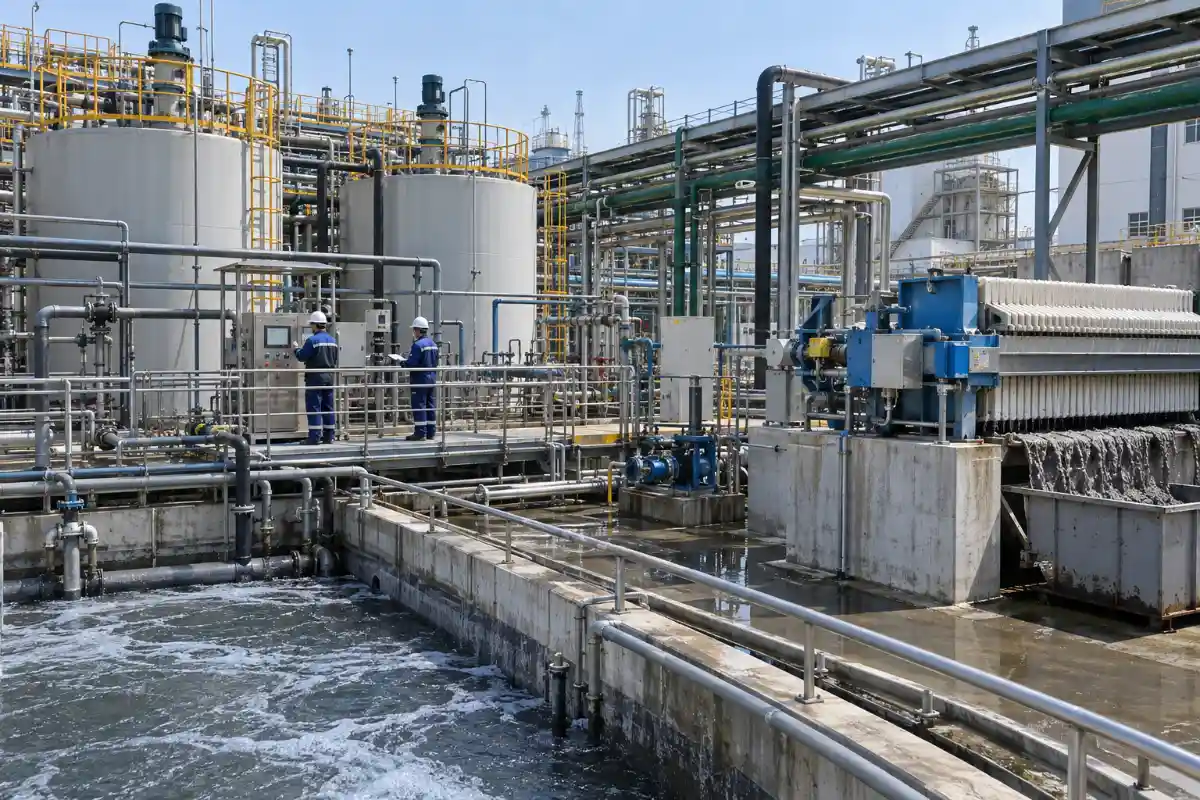
Evaluating a Supplier’s After-Sales Capability
Before you commit to a supplier, do this homework. It takes a day and saves years of frustration.
- Ask for three references from installations that have been running more than three years. Call them. Ask specifically about response times and how warranty claims were handled.
- Ask how many service engineers they employ and where they’re based. A supplier with two engineers covering a continent is a risk.
- Request their spare parts inventory list and lead times for critical items.
- Ask what happens if the original design engineer leaves the company — is documentation complete enough for someone else to support the system?
- Check whether they offer remote monitoring as standard or as an add-on.
I’ve walked away from suppliers who couldn’t answer the third question. If they don’t know their own lead times, they won’t know yours either.
Lifecycle Cost vs. Warranty Length
It’s tempting to pick the supplier offering the longest warranty. Don’t. Warranty length is a marketing variable; lifecycle cost is an engineering reality.
A system with a 12-month warranty but a well-designed heat exchanger, properly sized compressor, and adequate anti-scaling provisions will cost less over ten years than a system with a 24-month warranty that fouls every six weeks. The warranty covers the repair; it doesn’t cover the production you lost.
When I compare options for clients, I build a simple model:
- Capital cost
- Annual energy consumption (specific kWh per ton of water evaporated)
- Annual maintenance — chemicals, spare parts, labor
- Expected downtime hours per year
- Cost of downtime (production loss, disposal, compliance risk)
Run that model over ten years and the “cheapest” option often isn’t. The supplier with the best support infrastructure usually wins on total cost, even if their equipment costs more upfront.
When to Extend Coverage Beyond the Standard Warranty
Standard warranties expire. For critical systems, an extended service agreement makes sense — but only if it’s structured correctly.
A good extended agreement includes:
- Scheduled preventive maintenance visits (quarterly or semi-annual)
- Parts replacement at agreed pricing
- Priority response for breakdowns
- Annual performance review with recommendations
- Access to software and control system updates
What it should not include is vague language about “normal wear” that lets the supplier decline every claim. Define what’s covered and what isn’t, in plain terms.
For pharmaceutical wastewater treatment and other regulated applications, extended coverage is often justified by compliance risk alone. A failed evaporator that causes a discharge violation costs far more than the service agreement.
Practical Recommendations
If you’re specifying or purchasing an industrial evaporator, here’s what I’d tell you to do:
- Complete a full feed characterization before you talk to suppliers. Don’t let them design against incomplete data.
- Require a written design basis that both parties sign off on. This is your warranty foundation.
- Negotiate warranty terms and support commitments together. A long warranty with poor support is worthless.
- Verify spare parts lead times for critical components — get them in writing.
- Insist on operator training and a follow-up visit after six months.
- Build a lifecycle cost model, not just a capital cost comparison.
- Check references from installations that have been running for years, not months.
None of this is complicated, but it requires discipline at the procurement stage. The projects that run smoothly for a decade are the ones where someone asked the uncomfortable questions before the purchase order was issued.
Need help evaluating warranty terms or after-sales support for an evaporator project? Our engineering team reviews design bases, spare parts strategies, and service agreements as part of project support.
Frequently Asked Questions
How long is a typical industrial evaporator warranty?
Most suppliers offer 12 to 24 months from commissioning or shipment, whichever comes first. MVC and MVR systems often carry 18 to 24 months because the compressor and heat exchangers are the highest-risk components. Membrane-based pre-concentration systems may have separate warranty periods for the skid and the membrane elements.
What is usually excluded from an evaporator warranty?
Wear items are the big one — gaskets, mechanical seals, bearings, and membrane elements. Scaling and fouling damage is typically excluded unless it results from a design defect. Corrosion caused by feed chemistry that differs from the stated design basis is almost always excluded. Power quality issues and operator error are also common exclusions.
Does the warranty cover performance, or just parts?
Standard warranties cover parts and workmanship only. Performance — distillate quality, concentration ratio, energy consumption — is handled through a separate performance guarantee that should be defined in the contract with a specific test protocol. Don’t assume the warranty covers performance shortfalls.
How quickly should a supplier respond to a breakdown?
For critical systems, remote response within 4 hours and on-site response within 48 to 72 hours is a reasonable benchmark. These commitments should be written into the contract with defined escalation paths. Verbal promises about “fast response” are meaningless without contractual backing.
Should I buy an extended service agreement?
For systems where downtime carries high cost — compliance risk, production loss, or disposal expenses — yes. A well-structured agreement includes scheduled maintenance, priority response, and locked parts pricing. The key is making sure the agreement defines coverage clearly rather than using vague language about “normal wear.”
What spare parts should I stock on-site?
At minimum: mechanical seals for circulation and transfer pumps, heat exchanger gaskets, control valves, instrumentation spares, and chemical dosing pump components. For MVC and MVR systems, compressor bearings and seals should be stocked or held in a consignment arrangement. Confirm lead times for tube bundles and compressor rotors — those are often the longest items.
How do I evaluate a supplier’s after-sales capability before buying?
Ask for references from installations running more than three years and call them. Ask how many service engineers they employ and where they’re based. Request spare parts lead times in writing. Check whether remote monitoring is standard. A supplier who can’t answer these questions clearly is a risk, regardless of what the warranty document says.