

Reverse osmosis reject is not a waste problem — it is a volume problem, and volume is where the money goes. If you are hauling RO concentrate off-site, you are paying for water you already paid to treat, plus trucking, plus tipping fees that keep climbing. In most plants I walk into, the fastest way to cut RO reject disposal costs is to shrink the reject volume at the source, then treat what is left with a technology that matches the salinity and fouling profile. Concentration first, disposal second. That single shift typically moves disposal from a per-gallon cost you cannot control to a per-gallon cost you can engineer down.
I have commissioned RO trains on electroplating lines, landfill leachate, and pharmaceutical plants, and the pattern is always the same: nobody designs for the reject until the first hauling invoice lands. By then the RO is locked in and the concentrate is whatever the recovery happens to produce. This article is about fixing that — recovery staging, membrane selection, evaporation, and the operating discipline that keeps the numbers honest.

Start With a Real Water Balance, Not a Recovery Number
Before anyone quotes you an evaporator or a DTRO skid, build the balance. I want feed flow, feed conductivity, and the ionic profile — not just TDS. Chloride, sulfate, silica, hardness, and COD each break a different part of the system, and they break it at different concentrations. A concentrate that is fine at 40,000 mg/L TDS can scale a heat exchanger solid at 120,000 mg/L if silica or calcium sulfate is the limiting salt.
The number that actually drives disposal cost is not recovery percentage. It is reject volume per hour, multiplied by the hauling or treatment cost per unit volume. A train running at 75% recovery on 10 m³/h feed produces 2.5 m³/h of reject. Push recovery to 85% and you drop to 1.5 m³/h — a 40% cut in disposal volume with no new equipment beyond a second-stage membrane. That is usually the cheapest ton of savings available.
What to measure before you design
- Feed and concentrate TDS, plus individual ions (Ca, Mg, Ba, Sr, SiO₂, SO₄)
- COD and TOC — organics foul membranes and foam in evaporators
- pH and alkalinity, which control scaling potential
- Temperature swing across the year, because solubility is temperature-dependent
- Existing chemical dosing and antiscalant chemistry
If you skip the ionic profile, you will size the wrong technology. I have seen plants buy a high-pressure RO skid only to discover the limiting salt was silica, not osmotic pressure. The membrane was fine; the concentrate simply could not be pushed further without precipitation.
Raise Recovery in Stages Before You Treat Anything
The logic of staged recovery is simple: every incremental percent of recovery removes reject volume permanently. The cost of that percent varies wildly depending on how you get it.
| Stage | Typical recovery added | Main constraint | Relative cost per m³ saved |
|---|---|---|---|
| Concentrate recycle / staging | 5–10% | Scaling, osmotic pressure | Low |
| High-pressure RO (up to ~120 bar) | 10–20% | Membrane pressure limits, silica | Moderate |
| DTRO / disc-tube on concentrate | 15–30% | Fouling resistance, pretreatment | Moderate to high |
| Thermal evaporation | 70–90% of remaining | Energy, scaling, foaming | High |
The order matters. You always squeeze the membrane stages first because they are cheaper per cubic meter than boiling water. Thermal treatment is the last step, and it should only see the smallest, dirtiest stream you can hand it. A DTRO membrane system is often the bridge — it tolerates higher fouling than spiral-wound elements and can push concentrate recovery meaningfully before evaporation.
The osmotic pressure wall
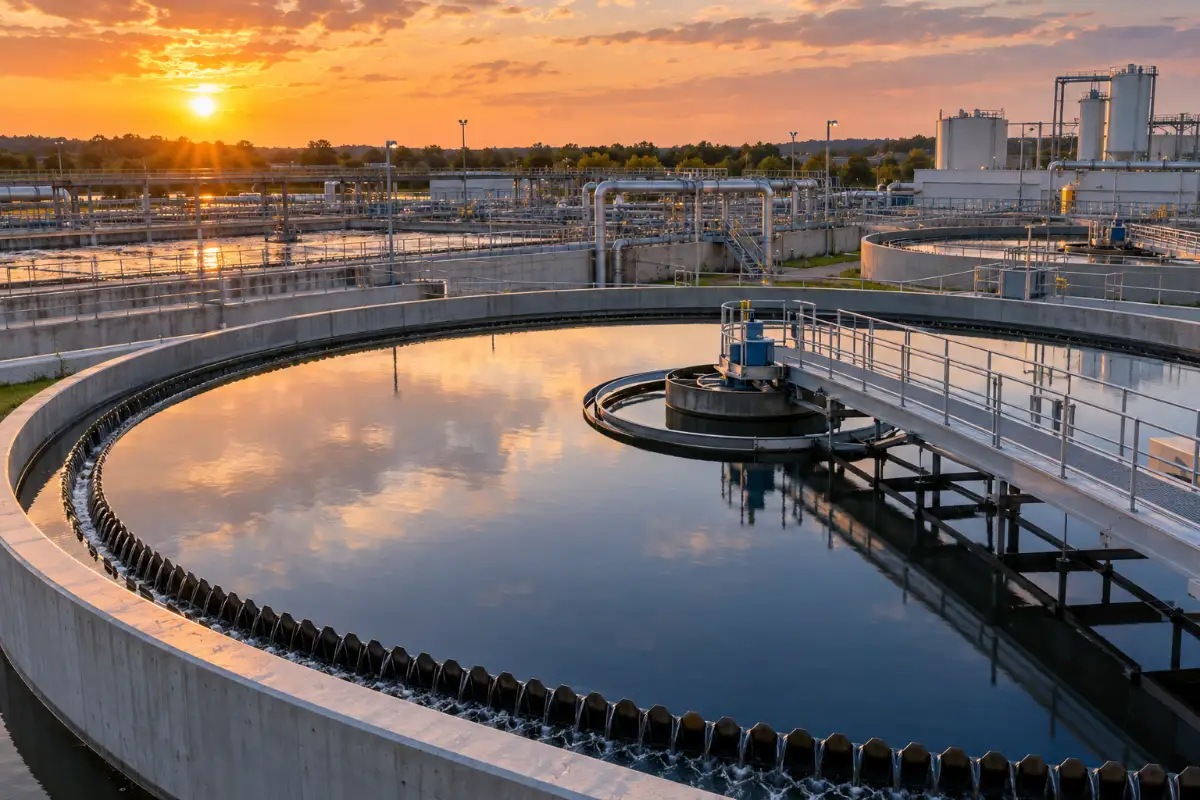
Every RO stage has a practical ceiling set by osmotic pressure plus net driving pressure. At seawater-level salinity you are already near 55–70 bar; concentrate beyond that climbs fast. This is not a membrane quality issue — it is thermodynamics. Once you approach the wall, adding pressure buys less and less recovery while scaling risk rises. That is the signal to switch technology, not to buy a bigger pump.
Match the Concentration Technology to the Reject Chemistry
Once membrane staging is exhausted, you are choosing between thermal evaporation and a zero liquid discharge approach. The decision is driven by three things: how much volume is left, what salts are in it, and whether you need a solid discharge or just a smaller liquid stream.
Mechanical vapor compression (MVC/MVR)
For most industrial reject streams, mechanical vapor compression is the workhorse. It recompresses the vapor it generates and reuses that heat, so the specific energy is far lower than a once-through evaporator. Typical specific consumption lands in a project-dependent range — often 15–40 kWh per m³ of distillate depending on boiling point elevation and compressor efficiency — but I always refuse to quote a number without the feed analysis in hand.
The heat exchanger design is where MVC systems live or die. Falling-film versus forced-circulation, tube material, and the circulation rate all determine whether you scale up in three months or run for three years. A properly specified MVC evaporator heat exchanger handles the scaling salts by keeping velocity and wetting where they need to be.
Multi-effect evaporation
When you have cheap steam available, multi-effect evaporation can beat MVC on operating cost. Each effect reuses the vapor from the previous one, so steam consumption drops roughly in proportion to the number of effects. A triple-effect evaporator uses roughly a third of the steam of a single effect for the same evaporation duty. The trade-off is capital cost and footprint, plus you need a steam supply you trust.
If your plant already runs a boiler and the reject volume is steady, multi-effect is often the lower lifecycle cost. If steam is expensive or unavailable, MVC wins. I have sized both on the same leachate stream and the crossover point was entirely a function of local energy pricing.
Zero liquid discharge as the endgame
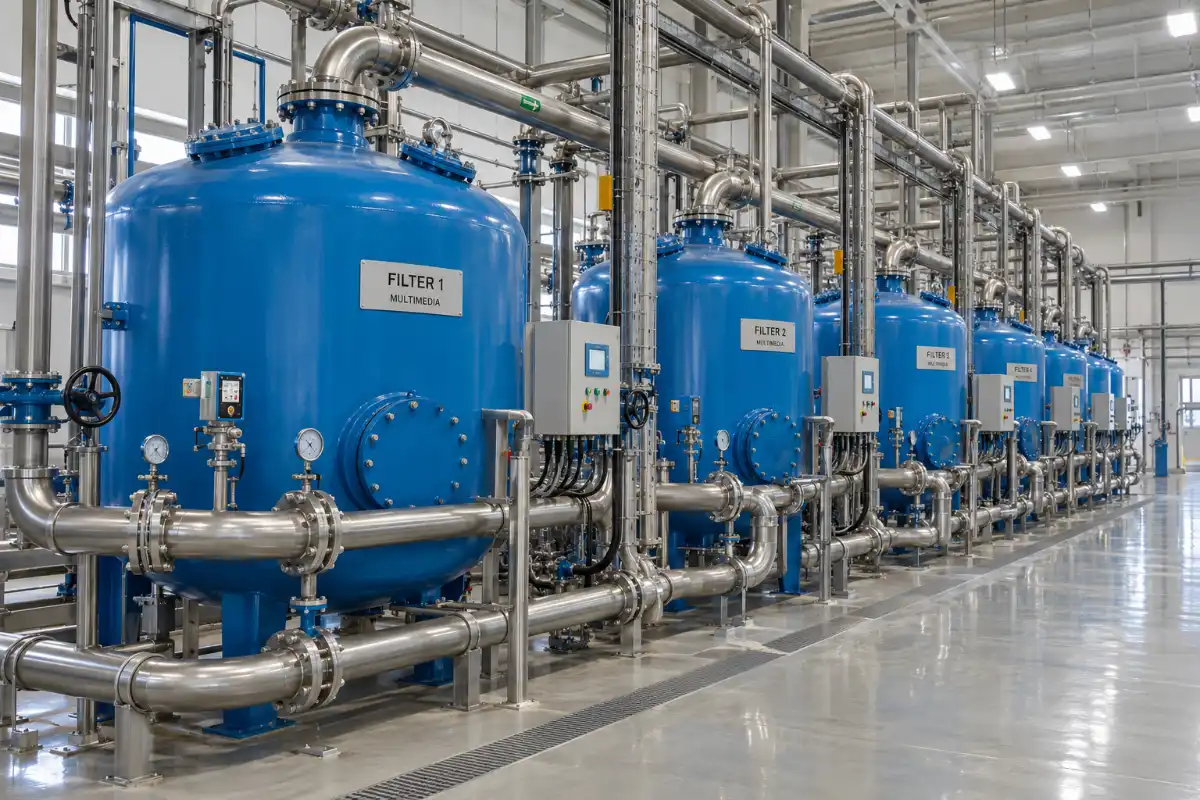
If your permit or your corporate policy rules out any liquid discharge, the reject has to become a solid. That means a crystallizer or a spray dryer downstream of the concentrator. A zero liquid discharge system is capital-heavy and energy-heavy, so the goal is to feed it the minimum volume. Every cubic meter you remove upstream with membranes and MVC is a cubic meter the crystallizer never has to boil dry.
The Cost Structure: Where the Money Actually Goes
Disposal cost is not one number. It is a stack of costs, and most operators only watch the top one. Here is how I break it down when I audit a plant.
| Cost element | What drives it | Where you can influence it |
|---|---|---|
| Hauling / tipping | Reject volume, salinity class, local fees | Recovery staging, concentration |
| Membrane replacement | Fouling rate, cleaning frequency, feed quality | Pretreatment, antiscalant, staging |
| Energy | Pump pressure, compressor load, steam | Technology selection, heat recovery |
| Chemicals | Antiscalant, cleaning agents, pH control | Dosing control, water chemistry |
| Maintenance labor | Cleaning downtime, scaling, corrosion | Material selection, operating discipline |
| Downtime / lost production | Unplanned stops, cleaning cycles | Redundancy, monitoring, design margin |
Notice that hauling is usually the visible cost, but membrane replacement and downtime often quietly exceed it. I have audited plants where the hauling bill was $40,000 a month and the membrane and downtime cost was $60,000 — and the operator was focused entirely on the hauling line. Fixing the fouling problem cut both.
The energy line is where technology choice shows up. Evaporation is energy-intensive by nature, but the specific consumption varies enormously with design. A realistic look at MVR evaporator cost drivers usually shows that the compressor and heat exchanger dominate both capital and operating cost, which is why they deserve the most engineering attention.
Pretreatment Is Not Optional — It Is the Cost Control
Every dollar spent on pretreatment saves several dollars downstream. This is the single most consistent lesson from every reject-concentration project I have delivered. The evaporator and the high-pressure membrane are both sensitive to the same enemies: hardness, silica, organics, and suspended solids.
What pretreatment actually does
- Softening removes Ca and Mg that would scale heat exchangers and membranes
- Silica removal prevents the glass-like deposit that is nearly impossible to remove chemically
- Organics removal (oxidation, activated carbon, or advanced treatment) controls foaming and biological growth
- Filtration protects membranes from particulate fouling
- pH adjustment keeps the concentrate in a solubility window that does not precipitate salts
The mistake I see most often is designing pretreatment for the feed and forgetting the concentrate. As water is removed, every dissolved species concentrates. A feed that is comfortably below saturation can become supersaturated in the reject. Design the pretreatment around the concentrate chemistry, not the feed chemistry. This is where a proper treatment process design pays for itself.
Operating Discipline: The Savings You Keep
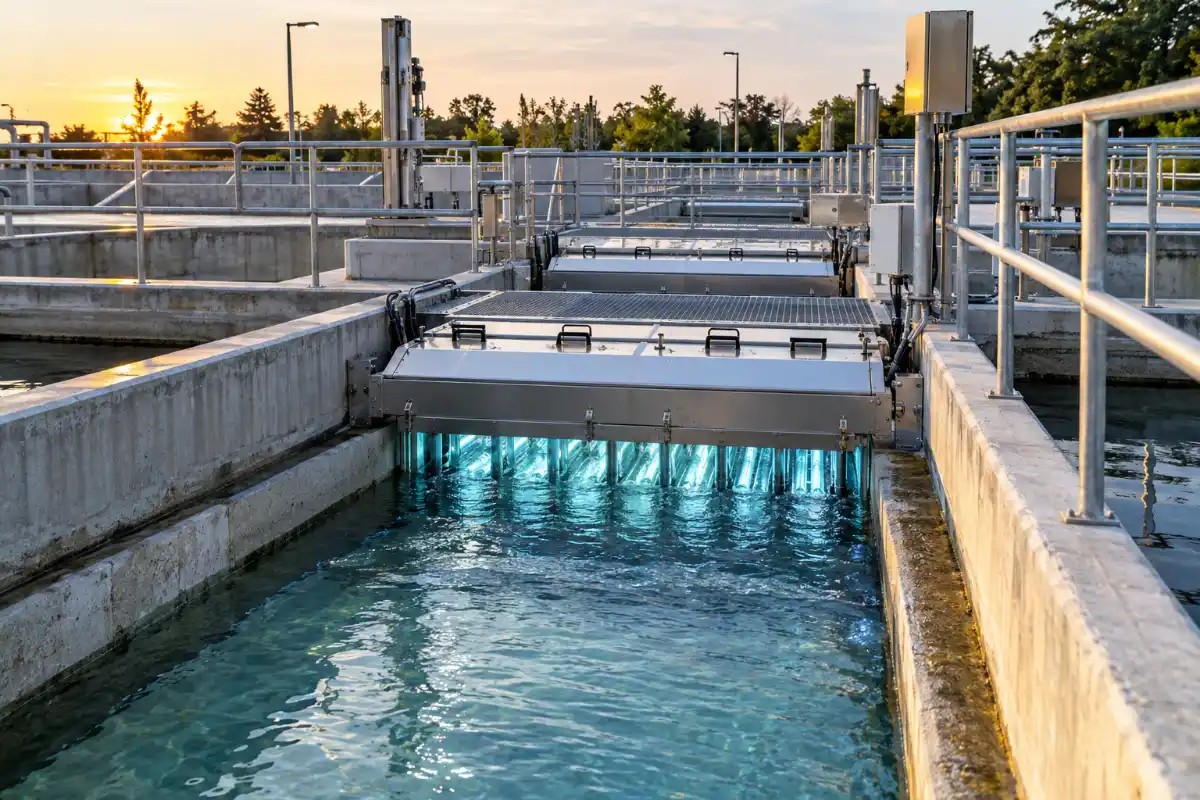
Even a well-designed system loses its cost advantage through sloppy operation. I have watched plants turn a low-cost reject concentrator into a maintenance nightmare in under a year, purely through operating habits. Here is what actually holds the line.
Monitor the right numbers
Track concentrate density, not just flow. Track pressure differential across membranes, not just recovery. Track compressor current, not just distillate quality. The early warning signs of scaling and fouling show up in these numbers weeks before they show up in the discharge.
Clean on condition, not on schedule
Fixed cleaning intervals waste chemicals and labor when the system is clean, and they are too late when it is fouling fast. Clean when the normalized pressure differential or the specific energy crosses a threshold. Document it. The trend line tells you more than any single reading.
Keep the antiscalant honest
Antiscalant dosing is often set once at commissioning and never revisited. As feed chemistry shifts seasonally, the dose that worked in winter can be wrong in summer. Re-check it against the current concentrate analysis. Under-dosing scales the system; over-dosing wastes money and can foul membranes with the antiscalant itself.
In my experience, the difference between a reject system that pays back in three years and one that never does is rarely the technology. It is whether the operations team owns the concentrate chemistry as seriously as they own the product water quality.
Choosing Between Hauling, Evaporation, and ZLD
There is no universal answer, but there is a decision logic. I run every project through the same filter.
- Can recovery be raised with membranes? If yes, do it first — it is the cheapest volume reduction.
- Is there a beneficial use for the concentrate? Sometimes a nearby facility can use it. Rare, but worth checking.
- Is hauling capacity and cost stable? If hauling is cheap and available, it may beat capital-intensive treatment. If fees are rising or capacity is tight, treat.
- Is steam available and cheap? If yes, multi-effect evaporation is competitive. If no, MVC.
- Is liquid discharge permitted at all? If not, ZLD is the only path, and the goal becomes minimizing feed to the crystallizer.
I tell clients to model a ten-year horizon, not a five-year one. Hauling fees historically rise, energy prices fluctuate, and membrane and evaporator performance degrades with age. A technology that looks expensive at year one can be the cheapest at year ten if it cuts the volume permanently.
Common Failure Modes and How to Avoid Them
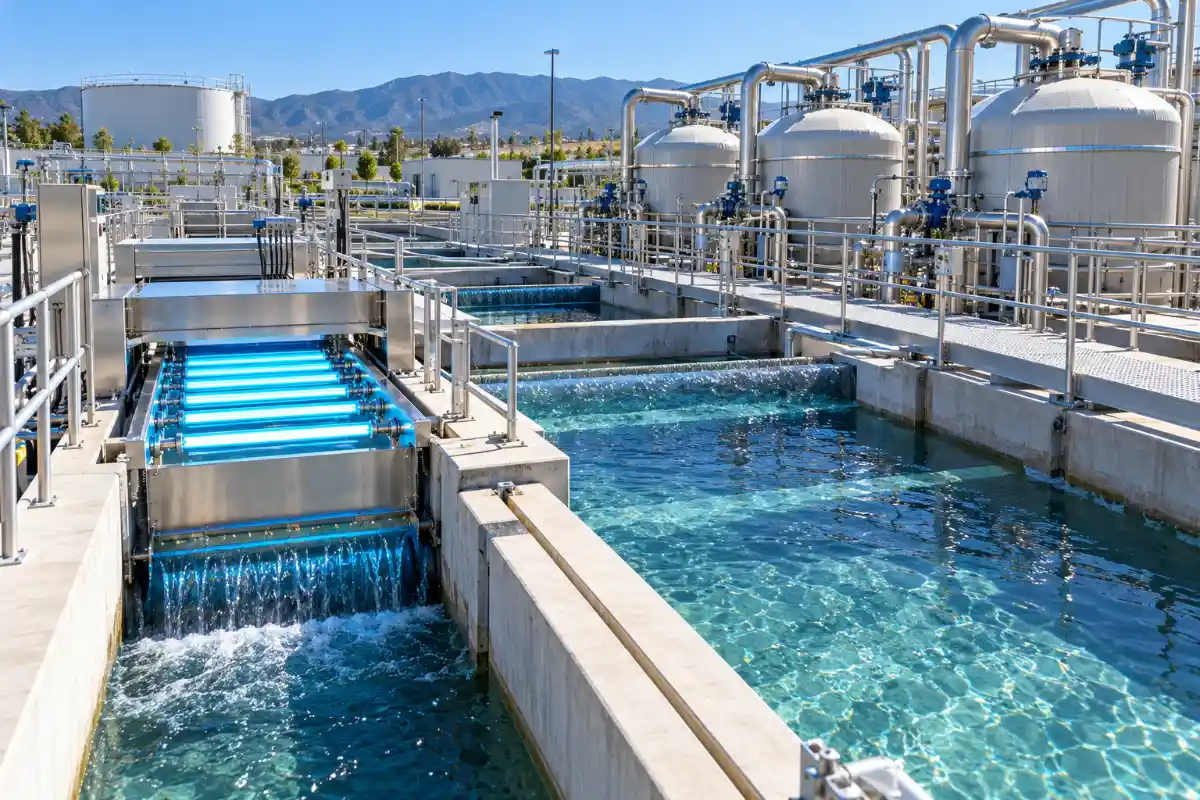
After enough commissioning trips, the failure patterns repeat. These are the ones that cost the most.
Scaling in the heat exchanger
Usually caused by inadequate softening or by running the concentrate past its solubility limit. The fix is upstream — better pretreatment and a tighter density setpoint. Once scaled, the recovery is a chemical clean, and if it is silica, sometimes a mechanical clean. Neither is cheap, and both cause downtime.
Foaming in the evaporator
Organics and surfactants cause foam that carries over into the distillate and fouls the compressor. Antifoam helps but is a band-aid. The real fix is removing the foam-causing organics upstream, often with oxidation or carbon.
Membrane fouling on the concentrate stage
Concentrate stages see the worst water in the plant. They foul faster and clean harder. Design them with more pretreatment, more cleaning access, and more redundancy than the primary RO. A high-pressure RO membrane selected for fouling resistance and cleanability outperforms a higher-flux element that fouls in weeks.
Compressor corrosion
If the distillate carries over salts or the vapor is corrosive, the compressor erodes. Material selection matters. So does keeping the mist eliminator clean and the operating temperature in range.
What a Realistic Project Looks Like
I will describe a pattern rather than a specific client, because the numbers vary and I do not publish figures I cannot verify. A typical industrial plant with a 10 m³/h RO reject stream, high TDS and moderate silica, faces hauling costs that dominate its operating budget. The staged approach usually looks like this:
- Stage one: add concentrate recycle and a second membrane pass, cutting reject volume by 30–40%
- Stage two: install a DTRO or high-pressure stage on the remaining concentrate, cutting another 20–30%
- Stage three: feed the final small stream to an MVC evaporator, reducing liquid volume by 80–90%
- Stage four: if ZLD is required, crystallize the final brine to a solid
The capital is staged, so cash flow is manageable, and each stage is justified by the disposal cost it eliminates. This staged approach is far easier to finance and far easier to operate than a single giant thermal system dropped in at once. It also lets you learn the concentrate chemistry on a smaller scale before you commit to the expensive equipment.
If you are at the point of sizing the thermal stage, it helps to talk through the concentrate analysis and the energy balance before committing to a configuration. You can reach the engineering team here with your water balance and we can walk through the staging options.
Frequently Asked Questions
How much can I realistically reduce RO reject volume?
With membrane staging and high-pressure or DTRO concentration, most industrial reject streams can be cut by 50–70% before any thermal treatment. Adding evaporation typically removes another 80–90% of what remains. The exact figure depends on the limiting salt and the osmotic pressure ceiling, so it must be calculated from your specific water analysis.
Is it cheaper to haul RO reject or to treat it on-site?
It depends on volume, local hauling fees, and energy cost. For small volumes with cheap, available hauling, off-site disposal can be cheaper. For steady, large volumes — especially where fees are rising — on-site concentration usually wins within a few years. Model both over ten years, including membrane replacement and downtime.
What is the biggest cause of high RO reject disposal cost?
In my experience, it is low recovery caused by scaling fear and inadequate pretreatment. Operators run conservatively to avoid scaling, which produces more reject than necessary. Fixing the pretreatment and the antiscalant program often allows higher recovery, cutting reject volume without new capital equipment.
Can I use MVC evaporation on high-organic reject?
Yes, but organics cause foaming and fouling that reduce performance and increase maintenance. Remove or oxidize the organics upstream, or select a design with adequate foam control and cleaning access. High-COD streams need more pretreatment than clean brine streams.
How often should I clean the concentrate-stage membranes?
Clean on condition, not on a fixed schedule. Watch the normalized pressure differential and specific energy. When either drifts beyond a set threshold, clean. Typical intervals range from weeks to months depending on feed quality, but the trend matters more than the calendar.
What pretreatment is essential before an evaporator?
At minimum: softening to remove hardness, silica control, and removal of suspended solids. For high-organic streams, add oxidation or carbon. The pretreatment must be designed around the concentrate chemistry, not the feed, because concentration pushes salts toward saturation.
Does zero liquid discharge always make sense?
No. ZLD is capital- and energy-intensive, and it only makes sense when liquid discharge is prohibited or when the solid salt has value or a safe disposal route. Otherwise, partial concentration plus controlled disposal is usually the better economic choice.
How do I know when to switch from membrane to thermal treatment?
When the required pressure approaches the practical osmotic limit, when scaling risk in the concentrate becomes unmanageable, or when the incremental recovery per unit of energy drops sharply. At that point, thermal concentration handles the remaining volume more efficiently than pushing the membrane further.