

You can recover water from industrial brine by concentrating the brine with a thermal or membrane process until the clean condensate or permeate can be reused or discharged, while the dissolved solids leave as a small waste stream. In most plants I work on, that means membrane pre-concentration first, then evaporation or crystallization on the reject. A well-designed train typically recovers 70–95% of the water as reusable distillate, depending on the salt load and the organics present. The rest leaves as a concentrated brine or solid salt. The key is matching the process to the brine chemistry, not to a catalog. Get that wrong, and you pay for it every day in fouling, downtime, and power bills.
What makes industrial brine hard to treat
Brine is not just salty water. It is the leftover from ion exchange regeneration, RO reject, cooling tower blowdown, chemical precipitation, landfill leachate treatment, and dozens of other operations. By the time it reaches your recovery step, it has already been through several unit processes, and it carries the fingerprints of all of them.
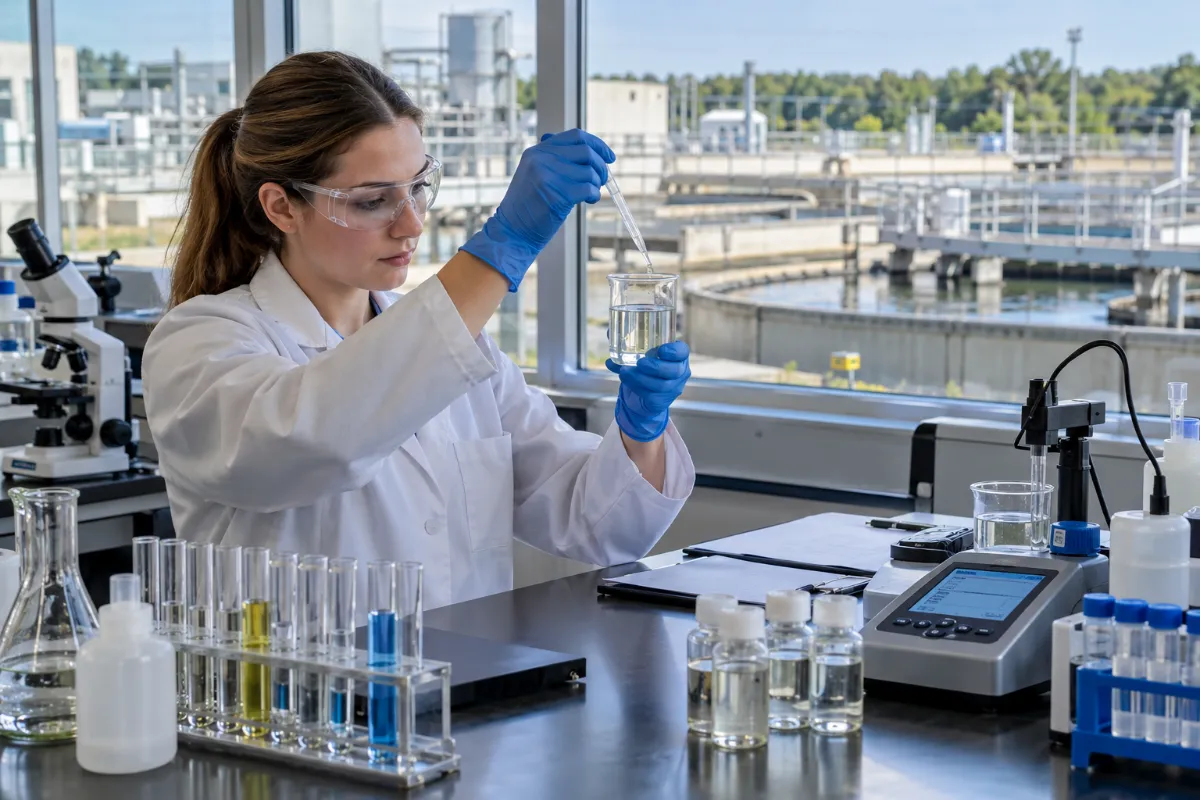
When I review a new brine stream, I look at four things before anything else:
- Total dissolved solids (TDS). This sets the floor for the technology. Reverse osmosis can push toward 70,000–80,000 mg/L in the right configuration, but practical limits are usually lower because of scaling and pressure.
- Scale-forming ions. Calcium, magnesium, barium, strontium, silica, and sulfate are the usual suspects. They dictate pretreatment and the maximum concentration factor you can safely reach.
- Organics and oil. Even a few hundred mg/L of organics will foul membranes and cause foaming in evaporators. Oil is worse — it coats heat transfer surfaces and kills performance.
- Volatile components. Ammonia, some solvents, and light organics will follow the vapor. If your recovered water has to meet a strict specification, you need to plan for that.
I have seen projects fail at the design stage because someone assumed a brine would behave like seawater. It rarely does. A brine with high silica and hardness will scale a membrane in days. A brine with high organics will foam out of an evaporator sump. The chemistry always wins.
The core process options and how they compare
There is no universal best technology. There is only the best fit for a given brine, flow rate, and site condition. In practice, most recovery systems use a combination of membrane and thermal stages. The membrane does the cheap bulk work; the thermal stage finishes the job.
Membrane pre-concentration
Industrial RO and, at higher salinity, disc-tube reverse osmosis (DTRO) are the workhorses for the first stage. They remove water at a fraction of the energy cost of evaporation. A DTRO membrane system handles high-fouling and high-salinity streams better than a conventional spiral-wound RO because the open channel design tolerates suspended solids and gives you a mechanical cleaning option.
Typical design range for a well-pretreated brine: feed TDS 10,000–50,000 mg/L, recovery 50–80% in a single pass, permeate TDS often under 500 mg/L. Push past that and you need higher pressure, more stages, or a switch to thermal.
Evaporation and crystallization
When membrane recovery runs out of room, evaporation takes over. This is where the real engineering decisions live. There are three families I use regularly:
- Multi-effect evaporation (MEE). Steam drives the first effect, and the vapor from each effect heats the next. More effects mean better steam economy but more capital and a bigger footprint.
- Mechanical vapor recompression (MVR). A compressor compresses the vapor so it can be reused as the heating medium. Electricity replaces steam, which is often the deciding factor.
- MVC with falling-film or forced-circulation heat exchangers. The heat exchanger design determines how well the unit handles scaling and viscous brine.
For a deeper look at how the compressor and heat exchanger interact, the notes on MVC evaporator design are worth reading before you size anything.
Which one to pick
Here is how I usually frame the comparison for clients. The numbers are indicative ranges, not guarantees — actual performance depends on your brine and site utilities.
| Technology | Typical feed TDS | Water recovery | Energy source | Best fit |
|---|---|---|---|---|
| Industrial RO | 2,000–35,000 mg/L | 60–85% | Electricity | Low-fouling, low-hardness brine |
| DTRO | 10,000–80,000 mg/L | 50–80% | Electricity | High-fouling, high-salinity brine |
| MVR evaporator | 20,000–200,000 mg/L | 80–95% | Electricity | Steam-limited sites, medium-to-high salinity |
| Multi-effect evaporator | 20,000–250,000 mg/L | 80–95% | Steam + electricity | Steam available, larger flows |
| Combined RO + evaporator | 5,000–150,000 mg/L | 85–95% | Both | Most industrial brines with reuse targets |
If you want the full breakdown of how effects are arranged, the multi-effect evaporator overview covers the trade-offs between two, three, and four-effect designs.
Designing the pretreatment train
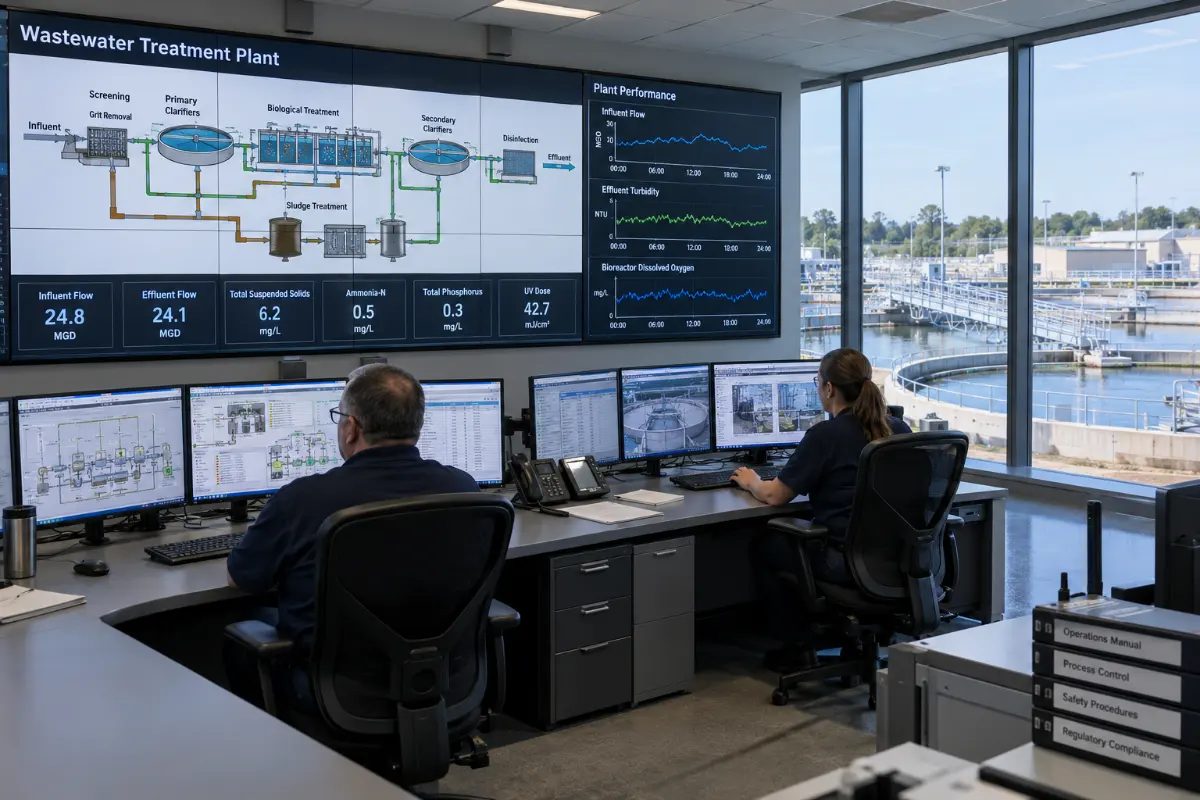
Pretreatment is where most of the project risk sits. I have never seen a recovery system fail because the evaporator was too small. I have seen plenty fail because the feed was not conditioned properly.
Hardness and silica removal
For membrane stages, you need to keep the scaling potential under control. That usually means softening with lime or ion exchange, sometimes antiscalant dosing, and pH adjustment. For evaporators, the limits are different. Calcium sulfate and silica will still deposit on heat transfer surfaces if you concentrate past their solubility.
A common approach is to soften the feed to below 20 mg/L as CaCO₃, then run a small side-stream to bleed out the concentrated salts. If silica is above 30–50 mg/L, you may need a dedicated silica removal step, usually with magnesium salts or a lime-soda softening stage.
Organics and oil
Organics cause foaming in evaporators and biofouling on membranes. If the brine carries more than a few hundred mg/L of COD, I budget for an oxidation or adsorption step. For oily brines, a dissolved air flotation or coalescing separator upstream is non-negotiable. There are specific design considerations for evaporation with oily wastewater that are easy to overlook.
pH and temperature control
Both membrane and thermal systems are sensitive to pH. Membrane manufacturers publish narrow windows; evaporators are more forgiving but still suffer from corrosion and scaling outside a practical range. Temperature control matters just as much, especially if the brine contains heat-sensitive compounds.
Recovered water quality: what you actually get
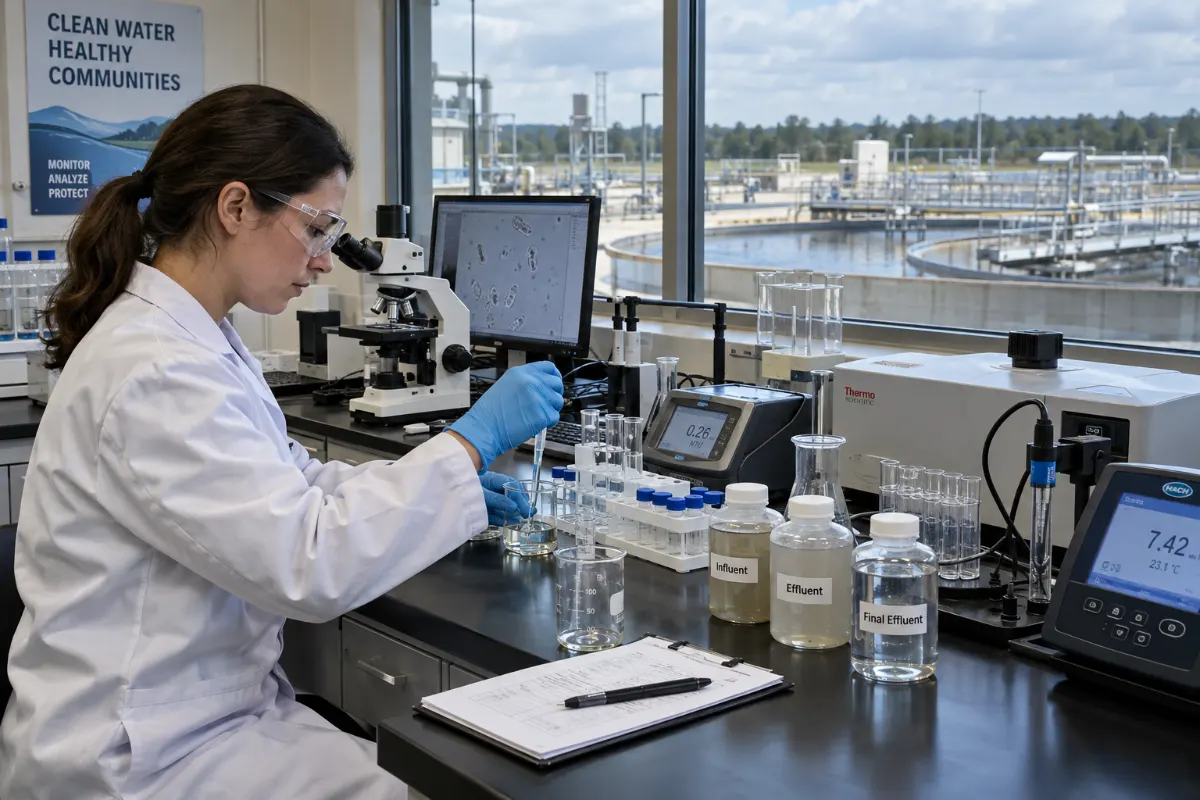
The whole point of recovery is to get water you can use again. So the quality of the condensate or permeate is the metric that matters most.
From a well-run MVR or MEE, distillate quality is usually excellent: TDS often below 10–50 mg/L, with conductivity in the low microsiemens range. That water is good enough for cooling tower makeup, boiler feed pretreatment, or wash water, depending on the site. From a membrane stage, permeate quality depends on the membrane and the feed, but 100–500 mg/L TDS is a reasonable planning number.
The catch is volatiles. Ammonia, some solvents, and light organics will pass into the distillate. If your recovered water has a strict spec, you need to plan for stripping, a polishing RO, or a carbon step. I usually recommend running a small pilot or bench test on the actual brine before committing to a final quality guarantee.
Energy, cost, and lifecycle thinking
Water recovery is a capital-heavy business. The operating cost is dominated by electricity, steam, chemicals, and maintenance. Here is the honest picture.
- Membrane stages are cheap to run — typically 1–4 kWh per cubic meter of permeate, depending on pressure. Their weakness is fouling and membrane replacement.
- MVR evaporators run on electricity alone. For a medium-salinity brine, 15–40 kWh per cubic meter of distillate is a realistic range, though it climbs with boiling point elevation and the number of effects.
- Multi-effect evaporators use steam. Steam economy improves with more effects, but so does capital cost. Two to four effects is the usual sweet spot for industrial brine.
Lifecycle cost is where the real comparison happens. A cheaper upfront system that fouls every six weeks will cost more over ten years than a more robust design. I always ask clients to look at the cost per cubic meter of recovered water over the equipment life, not just the purchase price.
If you want a feel for how capital and operating costs break down for thermal systems, the notes on MVR evaporator cost drivers are a useful reference point.
Operations and maintenance: what breaks first
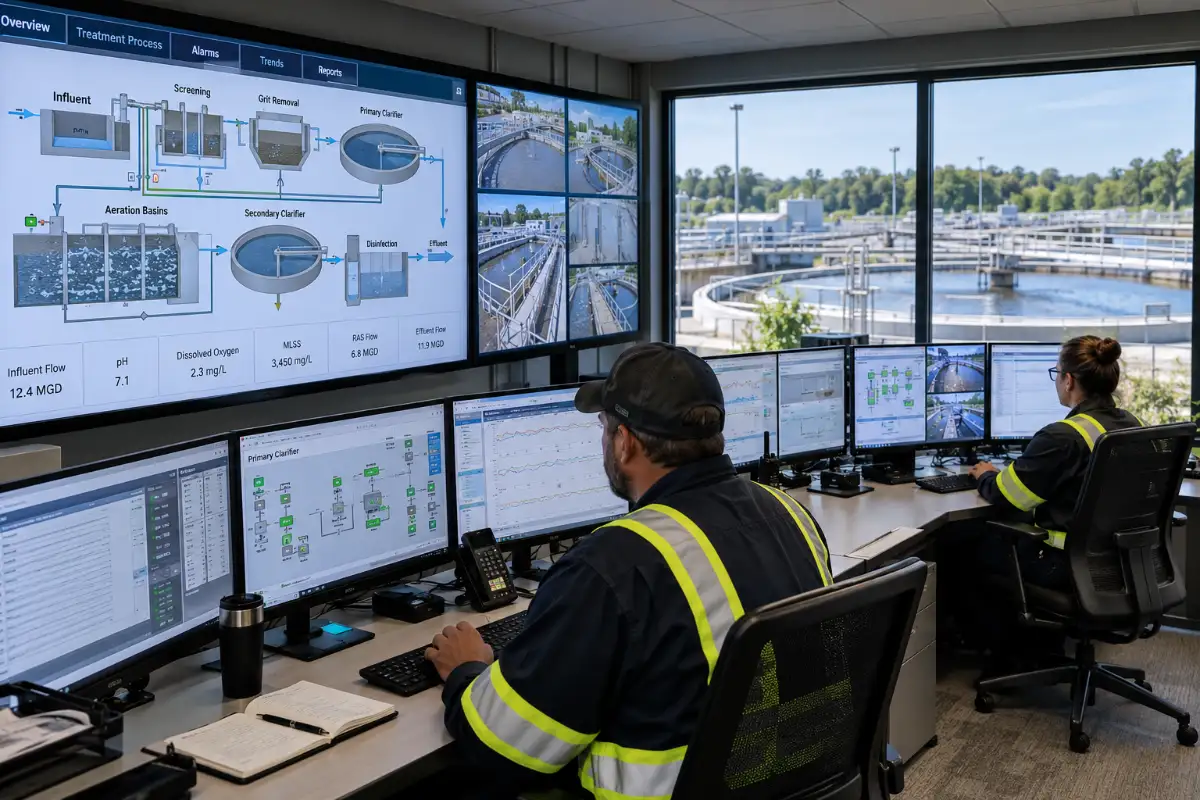
Every recovery system has a failure mode. Knowing yours in advance is half the battle.
Scaling and fouling
This is the number one issue. Heat exchangers lose capacity, membranes lose flux, and pressure drop climbs. The fix is a combination of proper pretreatment, antiscalant selection, and a cleaning regimen that actually matches the foulant. Cleaning with the wrong chemical can make things worse.
Foaming
Organics and surfactants cause foam in evaporator sumps. Foam carries liquid into the vapor line, which contaminates the distillate and can damage the compressor. Antifoam helps, but the better answer is upstream removal.
Corrosion
Chlorides plus high temperature equals corrosion. Material selection matters. Duplex stainless, titanium, and high-alloy steels are common in evaporator bodies and heat exchangers. Cutting corners on materials to save capital is a classic mistake.
Compressor and pump reliability
MVR compressors and high-pressure pumps are the mechanical heart of the system. Vibration monitoring, oil analysis, and scheduled overhauls are worth the cost. A compressor failure can shut down the whole plant for weeks.
Instrumentation drift
Conductivity, pH, and flow instruments drift. If operators trust them blindly, they miss the early signs of scaling or breakthrough. Calibration schedules exist for a reason.
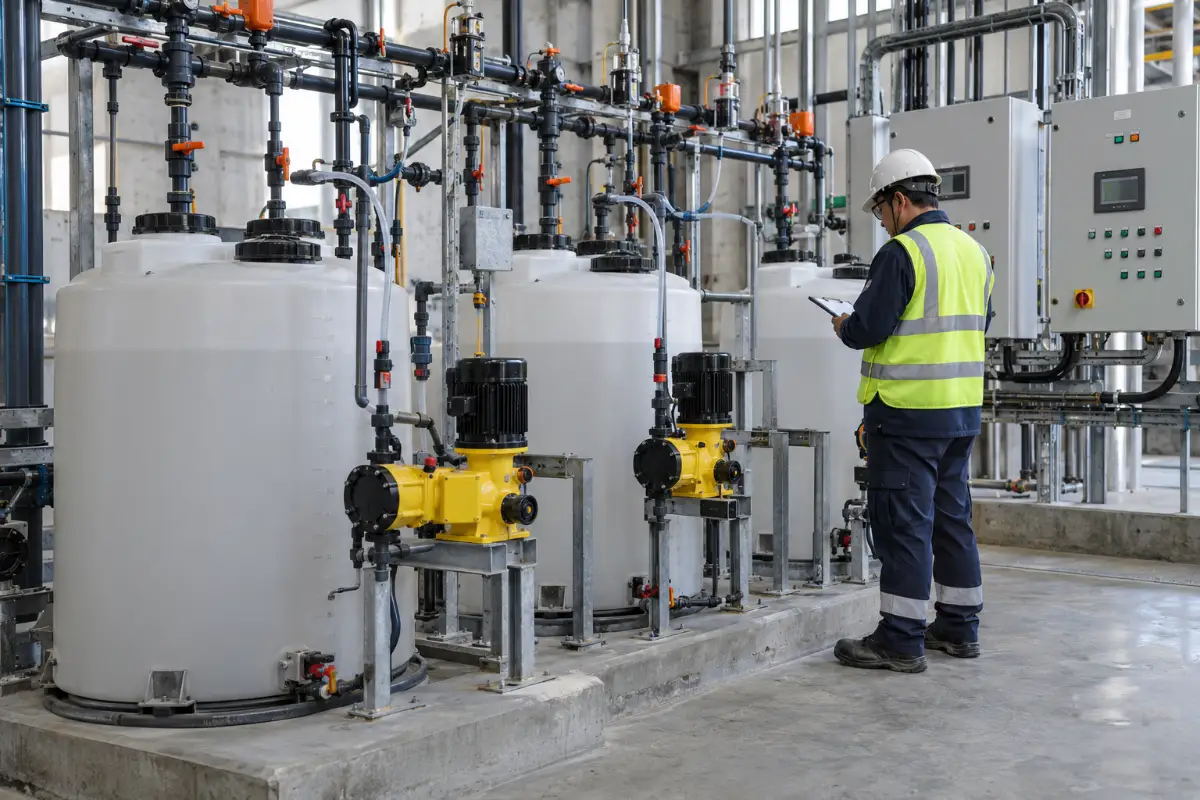
When to consider zero liquid discharge
Some sites cannot discharge any liquid at all, either because of permit limits or because the local utility will not accept the brine. That is where zero liquid discharge (ZLD) systems come in. ZLD combines membrane concentration, evaporation, and crystallization to leave you with a solid salt and a small amount of moisture. It is expensive and energy-intensive, so it should be a deliberate choice, not a default.
In my experience, ZLD makes sense when the discharge cost is very high, when the salt has resale value, or when the permit simply leaves no alternative. For everything else, a partial recovery system that reuses 70–90% of the water and discharges a small, well-treated brine is usually the better economic answer.
How to select the right system for your site
Selection is a structured exercise. I walk clients through this sequence every time.
- Characterize the brine. Full ionic analysis, organics, oil, silica, and variability over time. A single grab sample is not enough.
- Define the water reuse target. Cooling tower makeup, boiler feed, or discharge? The spec drives the process.
- Set the recovery goal. 70%, 85%, 95%? Higher recovery means more concentration and more scaling risk.
- Check site utilities. Is steam available? What is the power cost? Is there space for a crystallizer?
- Model the lifecycle cost. Capital plus ten years of energy, chemicals, and maintenance.
- Pilot if possible. Especially for brines with high organics or unusual chemistry.
One more thing: plan for turndown. Industrial brine flows vary. A system that only runs well at 100% capacity will frustrate operators. Design for 50–100% turndown as a minimum, and make sure the control philosophy supports it.
“The most common mistake I see is sizing the evaporator for the average flow and ignoring the peaks. Brine does not arrive at a steady rate. Design for the worst week, not the best day.”
If you are working through a specific brine and want a second opinion on the process train, the engineering team can review your water analysis and help you narrow the options. Talk to an engineer about your brine recovery project.
Frequently asked questions
What is the typical water recovery rate for industrial brine?
For a combined membrane and thermal system, 70–95% is a realistic range. The exact number depends on the salt concentration, scaling ions, organics, and how much you are willing to spend on pretreatment and energy. Brines with high silica or hardness usually land at the lower end.
Can I recover water from brine without evaporation?
Yes, up to a point. Industrial RO and DTRO can recover 50–85% of the water from brines in the 10,000–50,000 mg/L TDS range. Beyond that, osmotic pressure becomes impractical, and you need a thermal stage to finish the job.
How much does a brine recovery system cost to run?
Operating cost is dominated by energy and chemicals. Membrane stages typically run 1–4 kWh per cubic meter of permeate. MVR evaporators usually run 15–40 kWh per cubic meter of distillate. Multi-effect evaporators trade electricity for steam, so the cost depends on your local steam price.
What causes fouling in brine evaporators?
Calcium sulfate, calcium carbonate, silica, and organics are the usual culprits. They deposit on heat transfer surfaces and reduce capacity. Proper pretreatment, antiscalant dosing, and a cleaning regimen matched to the foulant are the standard countermeasures.
Do I need zero liquid discharge for my brine?
Only if you cannot discharge any liquid. ZLD is the most expensive option, so it should be reserved for sites with strict permit limits, very high disposal costs, or a marketable salt product. Partial recovery with a small, treated brine discharge is usually more economical.
How do I choose between MVR and multi-effect evaporation?
MVR wins when electricity is cheap and steam is not available. Multi-effect wins when you have low-cost steam and larger flows. For many industrial brines, a hybrid approach — membrane pre-concentration followed by MVR — gives the best balance of capital and operating cost.
What maintenance tasks matter most?
Heat exchanger cleaning, membrane replacement, compressor overhauls, and instrument calibration. The single most important habit is tracking performance trends — pressure drop, flux, and distillate quality — so you catch fouling before it becomes a failure.
Water recovery from industrial brine is a solvable problem, but it is not a commodity purchase. The chemistry of your brine, the quality of your pretreatment, and the honesty of your lifecycle cost model will determine whether the system runs for fifteen years or fights you every month. Start with a good water analysis, design for variability, and pick the process that matches your site — not the one that looks best on a spreadsheet.