

Choosing an evaporator for high-TDS wastewater comes down to three things: the chemistry of your stream, the volume you need to concentrate, and how much you are willing to spend on energy over the next ten years. Get those three right and the technology almost picks itself. Get them wrong and you end up with a system that scales, foams, corrodes, or burns through power until nobody wants to run it. I have commissioned and troubleshot enough of these units to know that the failures are rarely about the evaporator itself — they are about the feed water nobody characterized properly. This article walks through how I actually evaluate a high-TDS application, from water analysis to the final cost comparison, so you can make a decision you will not regret two years into operation.
What “High TDS” Really Means for an Evaporator
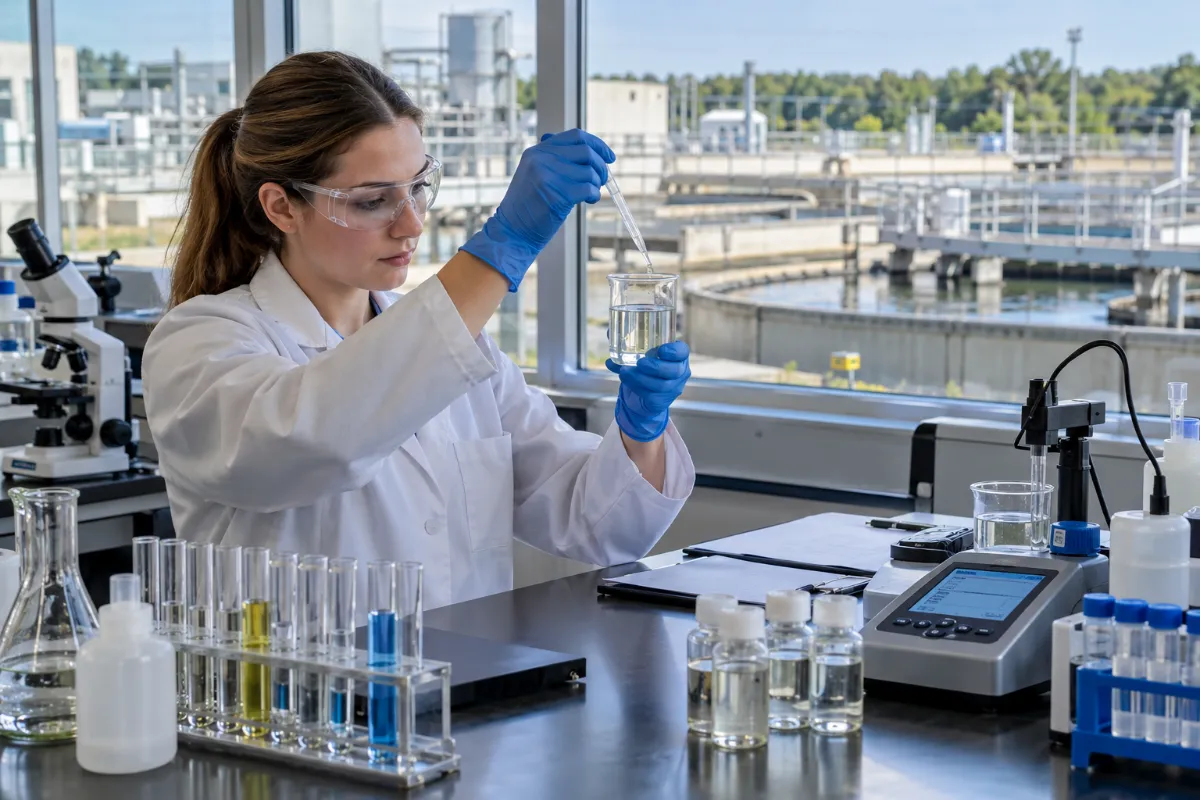
Total dissolved solids is a useful number, but it is a lazy one. Two streams can both read 60,000 mg/L TDS and behave completely differently inside a heat exchanger. What matters is what makes up that TDS.
When I look at a feed analysis, I break the dissolved solids into four groups that each drive a different design decision:
- Scale-forming ions — calcium, magnesium, barium, strontium, silica, carbonate. These dictate your maximum concentration factor and your cleaning frequency.
- Corrosive species — chloride, fluoride, and low-pH conditions. These dictate your metallurgy, and metallurgy is often the single biggest cost line in the quote.
- Organics and oils — COD, TOC, grease. These drive foaming, fouling, and whether you can even use a falling-film design.
- Volatile components — ammonia, some solvents. These determine whether your condensate can be reused or needs further treatment.
A stream at 40,000 mg/L TDS that is mostly sodium sulfate is a very different animal from a stream at 40,000 mg/L that is mostly calcium chloride. The first one you can concentrate hard. The second one will scale your tubes before lunch and eat through 316 stainless steel in a season.
This is why I always insist on a full ion balance plus silica, alkalinity, pH, and COD before I even talk about evaporator type. If someone quotes you a system off a single TDS number, that quote is a guess.
The Main Evaporator Types and Where Each One Fits
There are really only a handful of options worth considering for industrial high-TDS duty. Here is how I think about them.
Single-Effect Evaporators
A single-effect unit boils the water once and condenses the vapor. It is simple, it has a small footprint, and it is easy to operate. The catch is energy: you are paying for roughly one kilogram of steam per kilogram of water evaporated, which is expensive at any real flow rate. I use single-effect evaporators for small flows, pilot work, or where waste heat is essentially free.
Multi-Effect Evaporators
Stacking effects reuses the vapor from one stage to heat the next. A double-effect unit cuts steam consumption roughly in half versus single-effect; a triple-effect cuts it further. The trade-off is capital cost, footprint, and more complexity to operate. For medium-to-large flows with a reliable steam supply, multi-effect evaporators are often the most economical choice on a lifecycle basis. If you want to see how the staging math works in practice, the double and triple configurations are worth studying before you commit to a number of effects.
Mechanical Vapor Recompression (MVR / MVC)
Instead of buying steam, you compress your own vapor and reuse it. The compressor becomes the energy input, and electrical consumption replaces thermal consumption. For high-TDS streams where steam is expensive or unavailable, MVR evaporators are frequently the best operating-cost answer. The catch is that compressors are sensitive to fouling and carry a higher maintenance burden than a simple steam chest.
Membrane Pre-Concentration
Before any evaporator, I always ask whether a membrane can do part of the job. High-pressure RO and DTRO can push TDS up substantially at a fraction of the energy cost of boiling. When it fits, DTRO membrane systems can shrink the evaporator by 50% or more, which is often the single biggest cost saving available.
Comparison at a Glance
| Technology | Typical Feed TDS Range | Energy Driver | Best Fit |
|---|---|---|---|
| Single-effect | Up to ~100,000 mg/L | Steam | Small flow, waste heat available |
| Double-effect | Up to ~150,000 mg/L | Steam | Medium flow, steam available |
| Triple-effect | Up to ~200,000 mg/L | Steam | Large flow, steam available |
| MVR / MVC | Up to ~250,000 mg/L | Electricity | High TDS, no cheap steam |
| DTRO pre-concentration | Up to ~80,000 mg/L | Electricity | Reducing evaporator load |
These ranges are indicative only. Real limits depend on scaling tendency, chloride content, and the concentration factor you actually need to reach.
How to Read Your Water Analysis Before You Select
I have a short checklist I run through on every high-TDS project. It has saved me more than one expensive mistake.
- Ion balance. Cations and anions should match within about 5%. If they do not, you have a missing species or a bad lab result.
- Silica. Above roughly 100–150 mg/L, silica starts to limit your concentration factor and drives you toward lower-temperature operation or precipitation pretreatment.
- Hardness. Calcium and magnesium determine whether you need softening upstream. In many high-TDS projects, softening the feed is cheaper than fighting scale in the evaporator.
- Chloride. Above a few hundred mg/L, you are looking at duplex, super duplex, or titanium rather than 316L. This is a cost decision, not a technical one.
- COD and oil. High organics mean foaming, fouling, and possible pretreatment with DAF or oxidation.
- pH and alkalinity. These drive CO2 release, corrosion, and chemical dosing strategy.
If the analysis is incomplete, get more data. A second sampling round costs a fraction of a failed commissioning.
Energy, Cost, and the Lifecycle Math That Actually Matters
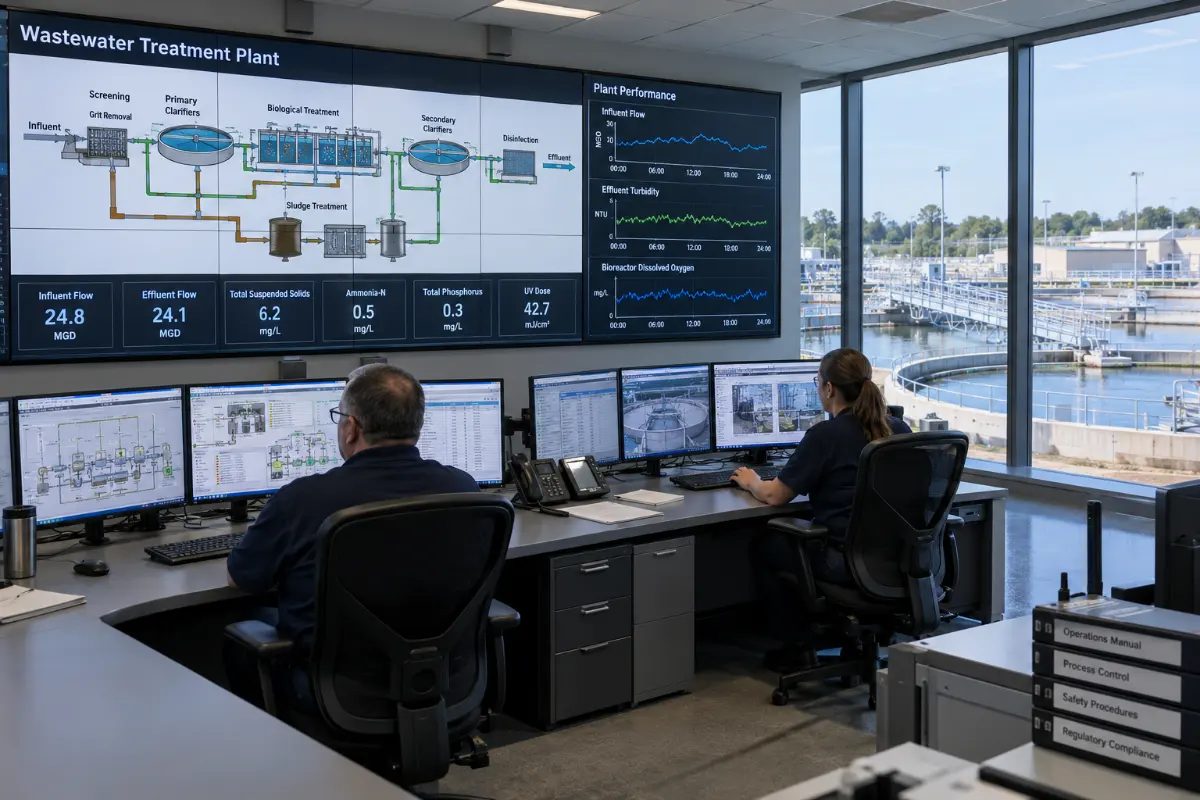
Capital cost gets all the attention in procurement. Operating cost is what kills the project. When I compare options, I build a simple ten-year model.
For a steam-driven multi-effect system, the dominant cost is boiler fuel. For an MVR system, it is electricity. For membrane pre-concentration, it is membrane replacement and pump power. The comparison only makes sense when you use your actual local prices for steam, electricity, and labor.
A rough way to think about it:
- Single-effect: highest steam cost per ton of water evaporated, lowest capital.
- Multi-effect: steam cost drops roughly in proportion to the number of effects, capital rises.
- MVR: electrical cost typically lands well below single-effect steam cost in most markets, but capital and maintenance are higher.
- Membrane pre-concentration: lowest energy per ton removed, but limited by pressure and fouling.
I usually find that the crossover point between multi-effect and MVR sits somewhere around a few tons per hour of evaporation, but it moves a lot with local energy prices. If your electricity is cheap and steam is expensive, MVR wins earlier. If you have a waste-heat boiler already running, multi-effect can win at surprisingly large scale.
Do not skip the disposal cost of the concentrate either. Whether you are crystallizing to zero liquid discharge or trucking brine, that line item often dominates the whole business case. A zero liquid discharge system changes the economics completely, and it should be evaluated as part of the same model, not bolted on afterward.
Pretreatment: The Step Most Projects Get Wrong
In my experience, the projects that run smoothly are the ones that spent money on pretreatment. The ones that run badly tried to send raw high-TDS wastewater straight into the evaporator.
Typical pretreatment steps for high-TDS streams include:
- Oil and grease removal — DAF or coalescing separators. Oils foul heat transfer surfaces and are very hard to remove once baked on.
- Softening or precipitation — lime softening, ion exchange, or chemical precipitation to knock out hardness and silica.
- pH adjustment and degassing — to protect metallurgy and remove CO2.
- Filtration — to protect the heat exchanger and any downstream membranes.
- Membrane pre-concentration — to reduce the evaporator load and cut operating cost.
Every one of these steps costs money. But the cost of cleaning a scaled evaporator every three weeks, or replacing a compressor impeller every year, is usually higher.
Metallurgy and Materials: Where the Money Goes
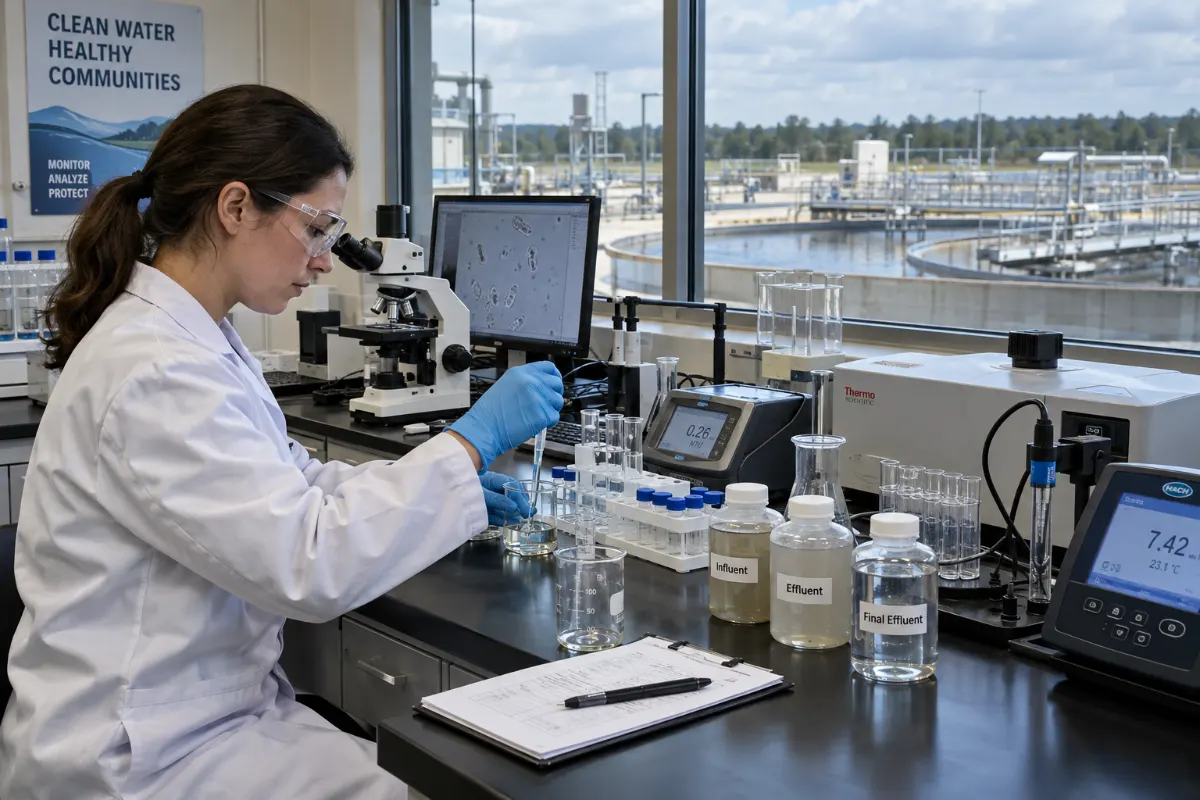
Material selection is the quiet cost driver in high-TDS evaporation. I have seen quotes swing by 40% purely on the choice between 316L and a super duplex or titanium build.
My general rules of thumb:
- Low chloride, neutral pH: 316L is often adequate.
- Moderate chloride, near-neutral: duplex 2205 is a common workhorse.
- High chloride, acidic, or oxidizing: super duplex, titanium, or higher alloys.
- Fluoride present: titanium is risky; consider higher alloys or non-metallic linings.
These are starting points, not rules. The right answer comes from a corrosion assessment based on your actual chemistry, temperature, and concentration profile. A good vendor will ask for the full analysis and push back if you try to save money on materials that will not survive.
Operating Experience: What Actually Fails
After enough commissioning trips, you start to see the same failure modes repeat across different plants and different industries. Here are the ones I watch for.
Scaling on Heat Transfer Surfaces
Almost always a pretreatment or concentration-factor problem. The fix is usually upstream softening or a lower final concentration, not more frequent acid cleaning.
Foaming and Carryover
Common with high-COD or surfactant-laden streams. Antifoam helps, but the real fix is often a mechanical design change — larger vapor space, demister upgrade, or a different evaporator configuration.
Compressor Fouling and Vibration
MVR compressors are sensitive to entrained droplets and deposits. Good demisting and stable operation matter more than people expect. When a compressor starts to vibrate, you have usually been carrying over for a while.
Corrosion at Weld Zones and Vapor Spaces
Often a metallurgy or passivation issue. This is where a proper corrosion assessment in the design phase pays for itself.
Condensate Quality Drift
When condensate TDS starts creeping up, it usually means carryover or a tube leak. Either way, it is a signal to investigate before it becomes a discharge violation.
If any of these sound familiar, it is usually worth reviewing the original design basis against what the plant is actually feeding. In my experience, most “evaporator problems” are actually “feed changed and nobody told the evaporator” problems.
A Quick Word on Configuration and Footprint
One thing that gets underestimated in early planning is physical space. Multi-effect systems grow with the number of effects. MVR systems grow with compressor size and heat exchanger area. Membrane pre-concentration adds skids upstream.
If your site is tight, that constraint can push you toward MVR or a hybrid design even when the pure energy math favors multi-effect. I always ask for a site plan before I finalize a recommendation, because a technically perfect design that does not fit is not a design.
Similarly, consider turndown. Many industrial plants do not run at a constant flow. An evaporator that only works at 100% capacity will cause problems the first time production slows down. Look for a configuration that can turn down to at least 50% without losing stability.
Putting the Selection Together
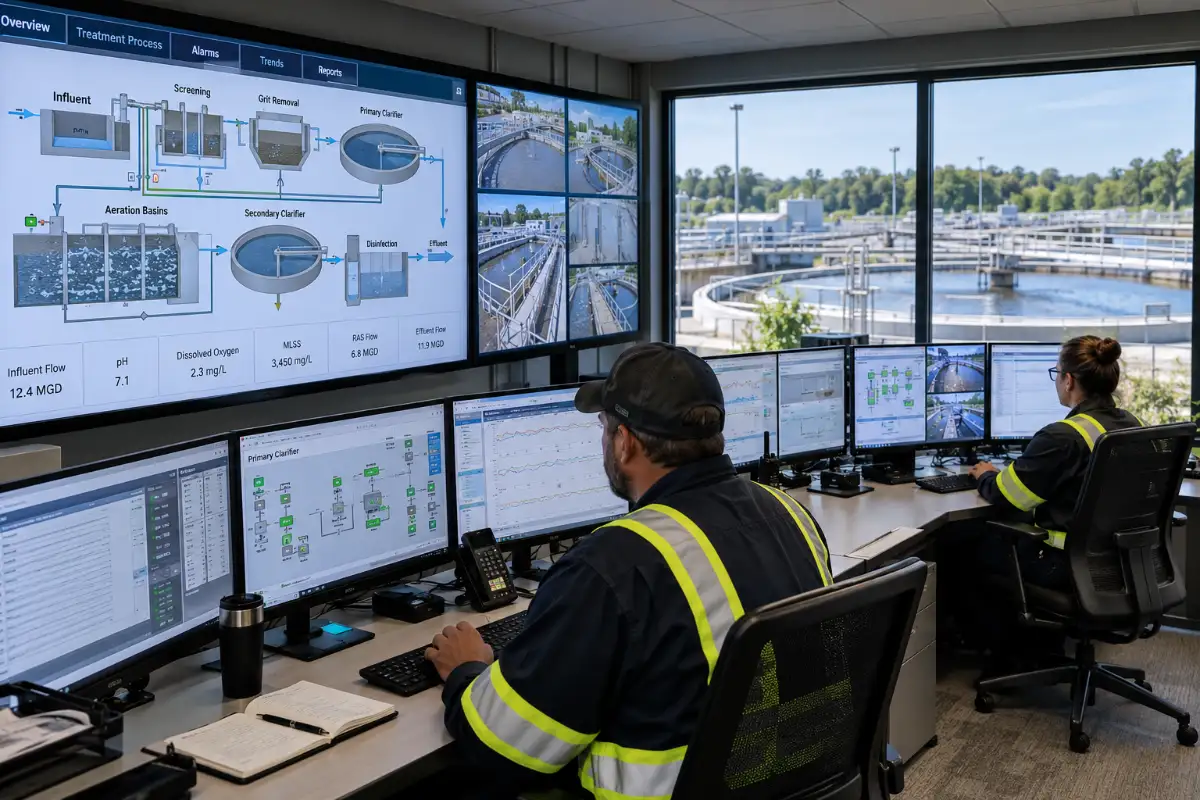
Here is the sequence I actually use when I am asked to choose an evaporator for a high-TDS stream:
- Get a complete, ion-balanced water analysis, including silica, chloride, COD, and oil.
- Define the required concentration factor and the final disposal route for the concentrate.
- Check whether membrane pre-concentration is feasible — it usually is worth evaluating.
- Estimate the evaporation duty in tons per hour.
- Compare single-effect, multi-effect, and MVR on a ten-year lifecycle basis using local energy prices.
- Select metallurgy based on the full chemistry, not just chloride.
- Design pretreatment to protect the evaporator, not the other way around.
- Confirm footprint, turndown, and utility availability against the actual site.
If you work through those steps honestly, the technology choice usually becomes obvious. The hard part is not picking between MVR and multi-effect — it is getting the water analysis and the disposal strategy right before anyone signs a purchase order.
If you are at the point where you have a water analysis and a rough flow rate and want a second opinion on configuration, our engineering team is happy to review it. You can reach out here and we will walk through the trade-offs with you.
Frequently Asked Questions
How do I know if I need MVR or a multi-effect evaporator?
Start with energy prices. If steam is cheap and reliable, multi-effect is often the simpler and lower-maintenance choice. If steam is expensive or unavailable and electricity is reasonable, MVR usually wins on operating cost. Flow rate, turndown requirements, and compressor maintenance capability also matter. In most cases the crossover sits at a few tons per hour of evaporation, but it moves with local utility prices.
What TDS level is too high for an evaporator?
There is no fixed ceiling. Evaporators routinely handle feeds well above 200,000 mg/L TDS. What limits you is not the TDS number itself but the scaling tendency, chloride content, and the concentration factor you need to reach. Silica, calcium, and sulfate are usually the practical limits, not the total dissolved solids.
How often will I need to clean the heat exchangers?
With good pretreatment and a properly sized concentration factor, cleaning intervals of several months are realistic. Without pretreatment, or if you are pushing too close to the solubility limit, cleaning can become a weekly event. If you are cleaning more often than quarterly, treat it as a design or pretreatment problem rather than a maintenance routine.
Can I send high-TDS wastewater straight to the evaporator?
Technically yes, practically no. Oils, hardness, silica, and suspended solids will foul or scale the heat transfer surfaces and, in MVR systems, damage the compressor. Some form of pretreatment — at minimum filtration and typically softening or oil removal — is almost always justified on lifecycle cost alone.
What is the biggest operating cost in a high-TDS evaporator?
Energy, by a wide margin. For steam-driven systems it is boiler fuel; for MVR it is electricity. After energy, the next largest lines are usually chemical cleaning, membrane or compressor maintenance, and concentrate disposal. Disposal can dominate the whole model if you are trucking brine off site.
How much does membrane pre-concentration actually save?
It depends on how far you can concentrate before osmotic pressure or fouling stops you. In many high-TDS projects, a high-pressure RO or DTRO stage can remove 40–60% of the water at a fraction of the evaporator’s energy cost, which shrinks the evaporator accordingly. The savings are real but they depend entirely on your specific chemistry and the pressure your membranes can tolerate.
What happens if my feed chemistry changes after startup?
This is one of the most common causes of poor performance. A feed that shifts in chloride, silica, or COD can push the system outside its design envelope. Build in some margin during design, and if the feed changes significantly, revisit the concentration factor and pretreatment rather than just increasing chemical dosing.