

If you operate an evaporator, you already know the purchase price is only part of the story. Cleaning and maintenance typically run between 3% and 8% of the original capital cost each year, and that number moves fast depending on your feed chemistry, how hard you push the unit, and whether your operators stay ahead of scaling. In this article I’ll break down where that money actually goes, what drives it up or down, and how to plan for it without guesswork. I’ve commissioned and serviced enough MVC and multi-effect systems to know the difference between a well-run evaporator and one that quietly eats your budget.
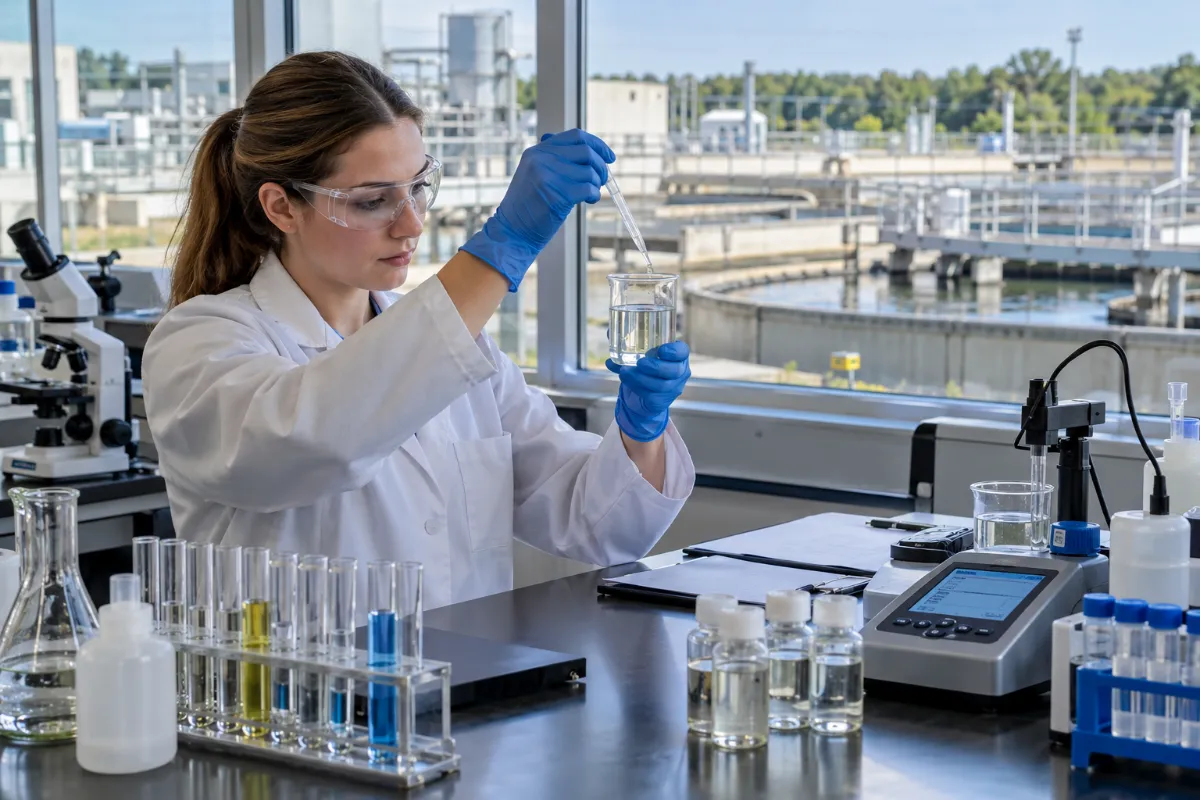
Why Evaporator Maintenance Costs Behave Differently Than Other Equipment
An evaporator is a heat exchanger that happens to boil water. That single fact explains almost everything about its maintenance profile. You’re not just moving fluid; you’re concentrating dissolved solids until they want to come out of solution and stick to hot metal. Every hour of operation deposits a thin film on your tubes, and that film is a thermal insulator. Left alone, it forces higher compressor discharge temperatures, higher steam consumption, and eventually a shutdown.
The cost structure follows the same logic. Unlike a pump where you replace a wear ring on a schedule, evaporator maintenance is condition-based. Two identical units running on different feeds can have maintenance costs that differ by a factor of three. I’ve seen a system on clean RO concentrate go eighteen months between chemical cleans, and a leachate unit that needed cleaning every three weeks. Same hardware class, completely different budget line.
So when someone asks me what maintenance costs, I give ranges and then ask about the feed. That’s not a dodge. It’s the honest engineering answer.
The Main Cost Categories You Need to Budget For
Let me break the annual spend into buckets. These are the line items I use when building an O&M estimate for a client.
Chemical Cleaning
This is the most visible cost. You’re buying acid, caustic, chelants, and sometimes specialty scale inhibitors. For a mid-size MVC unit, a single clean-in-place cycle might consume a few hundred dollars of chemicals. Frequency drives the annual total more than unit price does.
- Light fouling feed: 2–4 cleans per year
- Moderate scaling feed: 6–12 cleans per year
- Heavy scaling or organic fouling: 18–30 cleans per year
At the high end, chemical cost alone can exceed $15,000–$40,000 annually on a system in the 5–20 m³/h range. That’s project-dependent and I always flag it as an indicative range, not a quote.
Labor
Someone has to run the clean, monitor the rinse, verify conductivity, and restart. If your plant has trained operators, this is absorbed into their shift. If you’re contracting it out, expect $80–$150 per hour in most markets. A full CIP cycle including cooldown and restart is typically 6–12 hours of attention.
Consumables and Spare Parts
Gaskets, O-rings, pump seals, mist eliminator pads, and the occasional instrument replacement. Budget 1–2% of capital cost per year here. Compressor overhauls on MVC systems are the big-ticket item and usually land on a 5–8 year cycle.
Energy Penalty From Fouling
This is the hidden one that nobody puts in the spreadsheet. A fouled heat exchanger can add 10–25% to your specific energy consumption. On a unit drawing 200 kW continuously, that’s real money every month. I’ve watched plants spend $5,000 on chemicals to avoid a $2,000 clean, and lose $8,000 in electricity doing it.
Downtime
If the evaporator is the bottleneck in a ZLD train, every cleaning hour is a production hour. Some facilities have to truck liquid waste out during downtime. That cost dwarfs the cleaning chemicals.
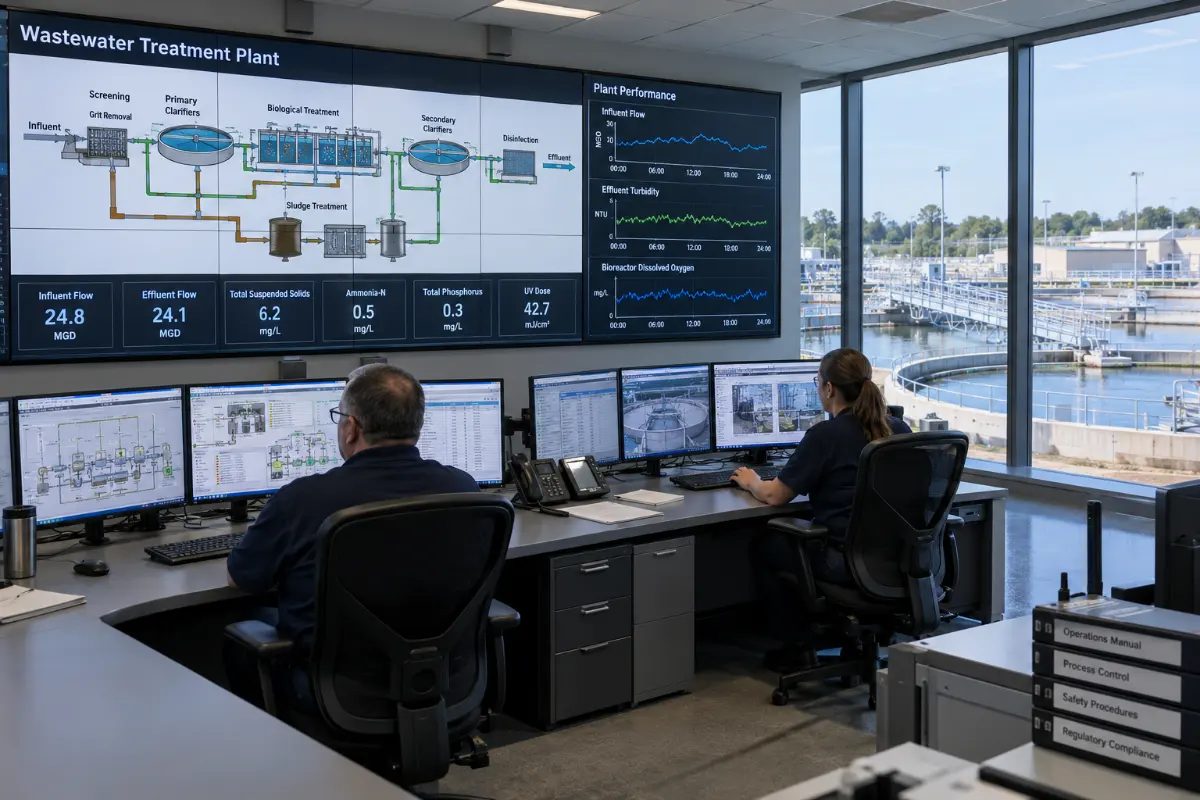
Comparison: How Evaporator Type Changes the Maintenance Picture
Different evaporator configurations carry different maintenance burdens. Here’s how I think about it when specifying equipment.
| System Type | Typical Cleaning Frequency | Main Maintenance Drivers | Relative Annual O&M |
|---|---|---|---|
| Single-effect evaporator | Higher, simpler access | Heat exchanger scaling, steam cost | Moderate–High |
| Double-effect evaporator | Moderate | Two exchangers, interstage fouling | Moderate |
| Triple-effect evaporator | Moderate | More surfaces, better steam economy | Moderate |
| MVC evaporator | Moderate–High | Compressor, heat exchanger, electricity | Moderate |
| MVR with pre-concentration | Lower on evaporator | Membrane replacement shifts cost upstream | Moderate |
Notice I didn’t put dollar figures in there. Anyone who quotes you a fixed annual maintenance number without seeing your water analysis is selling, not engineering. What I will say: multi-effect systems spread the thermal load and often run longer between cleans than a single-effect unit at the same duty, but you pay for it with more surface area to maintain. The multi-effect configuration tends to win on total cost of ownership when steam is expensive and the feed is reasonably clean.
What Actually Drives Your Cleaning Frequency
I’ve tracked this across enough projects to say the feed chemistry is roughly 70% of the story. Here’s what matters most.
Hardness and Silica
Calcium, magnesium, and silica are the classic scale formers. Above certain concentration factors they precipitate on hot surfaces. Silica is the worst because it’s hard to remove chemically and often needs mechanical or hydroblasting intervention. If your feed has high silica, you either soften upstream, run at lower concentration, or accept frequent cleaning.
Organics and Oils
Oily or high-COD feeds create a different problem. Instead of hard scale you get a sticky film that reduces heat transfer and can cause foaming. Foaming carries liquid into the vapor path and contaminates your condensate. Evaporation of oily wastewater demands either upstream pretreatment or a design that tolerates the load.
Concentration Factor
How far you concentrate the brine determines how close you get to saturation. Pushing from 10% to 20% total dissolved solids can double your scaling rate. Sometimes the smart move is to concentrate less and let a crystallizer or spray dryer finish the job.
Operating Temperature
Higher boiling temperatures accelerate scaling kinetics. Running a bit cooler costs you surface area but buys you cleaning interval. This is a real trade-off I discuss with clients during design.
“The cheapest maintenance program is the one designed into the process. If you’re cleaning monthly, the problem is usually upstream of the evaporator, not inside it.” — a sentiment I’ve heard from every seasoned thermal process engineer I’ve worked with.
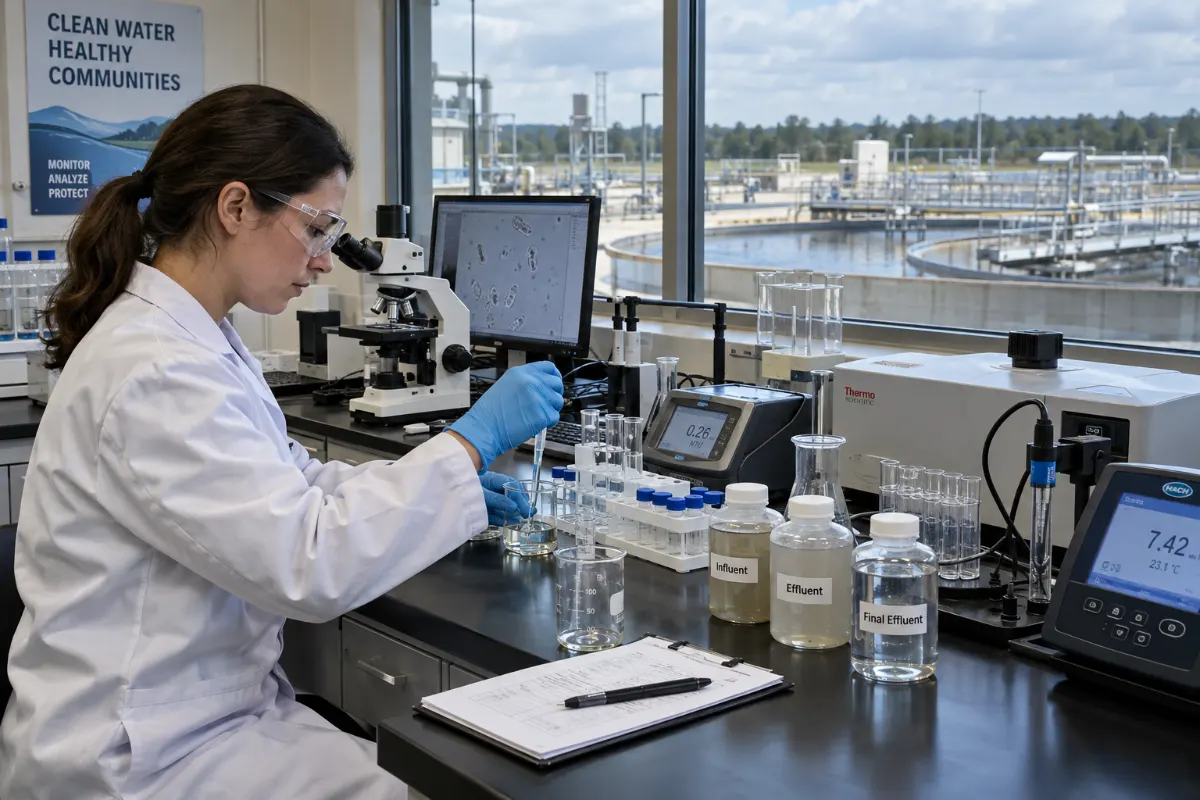
Design Choices That Lower Lifetime Maintenance Cost
You can’t eliminate maintenance, but you can design for it. Here’s what I push for in every project.
Access for Cleaning
Flanged heads, removable tube bundles, and CIP connections on every wetted circuit. If a technician needs to cut pipe to inspect a heat exchanger, you’ve already lost. This adds maybe 3–5% to capital cost and saves multiples of that over a ten-year life.
Material Selection
Chloride-rich feeds will destroy 304 stainless. I default to 316L or duplex for anything with meaningful chloride, and titanium or high-alloy for the worst cases. The heat exchanger material is where corrosion failures show up first. Paying more upfront here is almost always correct.
Pretreatment
Softening, antiscalant dosing, pH adjustment, and sometimes membrane pre-concentration. A well-designed DTRO or high-pressure RO stage ahead of the evaporator can cut the thermal load by 60–80%, which means a smaller evaporator, less scaling, and lower cleaning frequency. This is the single biggest lever on lifetime cost.
Instrumentation and Automation
Conductivity, density, and differential pressure monitoring let you clean on condition rather than calendar. Plants with good instrumentation typically clean 20–30% less often because they catch fouling early and avoid over-cleaning, which itself damages surfaces.
A Realistic Annual Cost Breakdown
Let me put indicative numbers on the table for a 10 m³/h MVC evaporator on a moderately scaling industrial feed. These are typical design ranges, not quotes, and they’ll shift with your specific chemistry and labor market.
| Cost Item | Indicative Annual Range (USD) | Notes |
|---|---|---|
| Cleaning chemicals | $8,000 – $25,000 | Driven by frequency and feed |
| Operator labor (allocated) | $10,000 – $30,000 | Depends on plant staffing model |
| Spare parts and consumables | $6,000 – $20,000 | Includes gaskets, seals, instruments |
| Compressor service (amortized) | $5,000 – $15,000 | Overhaul reserve, not annual spend |
| Energy penalty from fouling | $3,000 – $15,000 | Highly variable, often overlooked |
| Contracted specialist support | $0 – $20,000 | Only if not handled in-house |
Total lands somewhere between $30,000 and $120,000 per year for that size class. The spread is wide because the variables are wide. If someone gives you a single number, ask them what feed they assumed.
For a broader view of how capital and operating cost drivers interact, the cost structure analysis here walks through the same logic from a project finance angle.
Preventive Maintenance Schedule That Actually Works
I’ve seen maintenance programs fail because they’re either too rigid or too vague. Here’s a schedule I’ve used successfully across multiple installations.
Daily
- Log differential pressure across the heat exchanger
- Check condensate conductivity — a spike means carryover
- Verify brine density or conductivity against setpoint
- Visual check for leaks, vibration, unusual noise
Weekly
- Inspect and clean mist eliminator if accessible
- Check antiscalant or chemical dosing rates
- Review compressor oil level and temperature trends
Monthly
- Trend specific energy consumption — rising kWh/m³ signals fouling
- Inspect pump seals and couplings
- Calibrate critical instruments
Annually
- Full inspection of heat exchanger surfaces
- Compressor vibration analysis and oil analysis
- Review and update cleaning procedures based on actual fouling patterns
The single most useful habit is trending specific energy consumption. When that number creeps up 8–10% over baseline, you’re due for a clean whether the calendar says so or not.
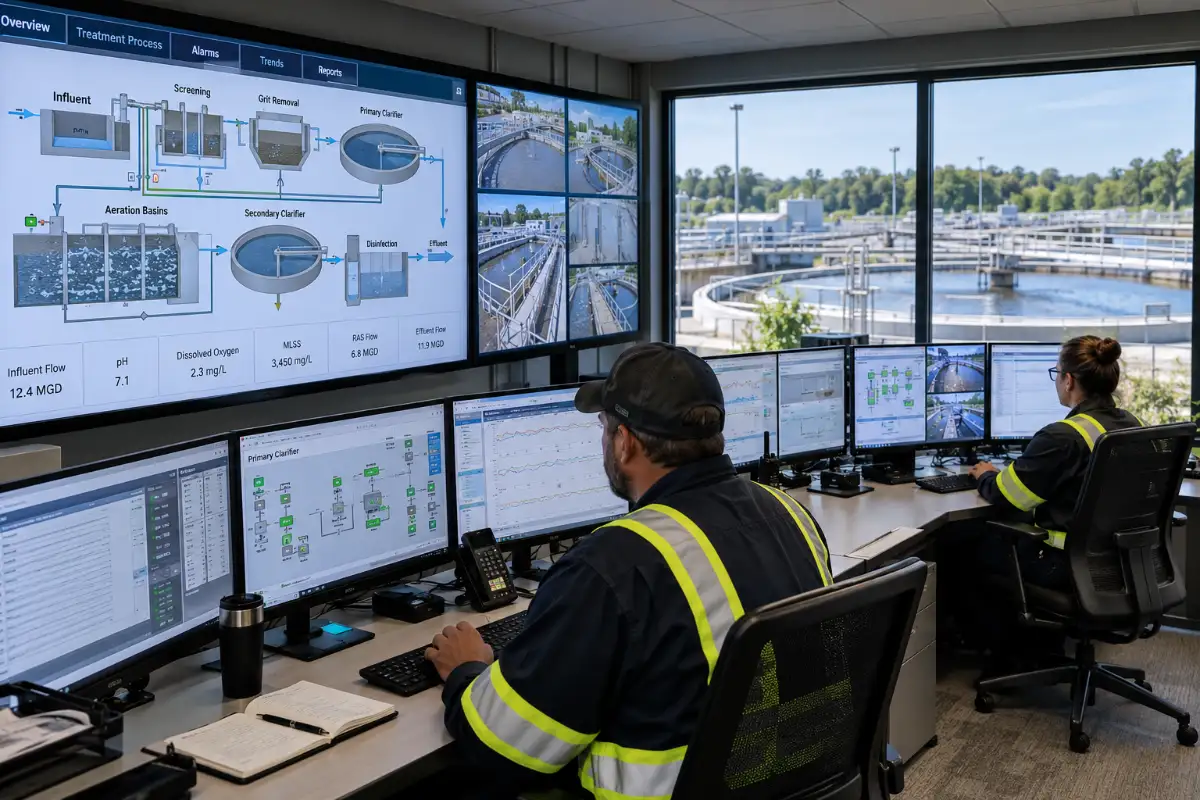
Common Failure Modes and What They Cost to Fix
These are the problems I see most often, roughly in order of how much damage they do.
Heat Exchanger Scaling and Corrosion
Slow to develop, expensive to reverse. A severely scaled and corroded tube bundle may need full replacement. On a mid-size unit that’s $20,000–$80,000 depending on material. Regular cleaning and correct material selection prevent most of this.
Compressor Failure
The most expensive single failure on an MVC system. Causes range from liquid carryover to bearing wear to operating outside the design envelope. A rebuild can run $30,000–$100,000; replacement is higher. This is why mist elimination and liquid level control matter so much.
Foaming and Carryover
Cheap to fix if caught early with antifoam or a feed adjustment. Expensive if it contaminates your condensate and forces a full system flush, or if it damages the compressor.
Pump and Seal Failures
Recurring nuisance cost. Usually a sign of abrasive solids in the brine or running the pump dry. Mechanical seals are consumables; frequent failures point to a process problem upstream.
Instrument Drift
Not dramatic, but it silently erodes performance. A drifting density meter can cause you to over-concentrate, which accelerates scaling everywhere downstream.
How to Reduce Cleaning and Maintenance Costs Without Cutting Corners
There are legitimate ways to bring these numbers down. I’ve used all of them.
- Improve upstream pretreatment. Softening, pH control, and membrane pre-concentration reduce the scaling load reaching the evaporator. This is the highest-leverage move.
- Optimize concentration factor. Don’t concentrate further than you need to. Let a downstream crystallizer or dryer handle the final step if it’s cheaper overall.
- Use condition-based cleaning. Clean when differential pressure or energy consumption tells you to, not on a fixed calendar.
- Train operators properly. Most expensive failures trace back to someone ignoring a trend or bypassing an alarm.
- Keep spares on the shelf. Waiting for a gasket to ship from overseas turns a one-day job into a two-week outage.
- Document everything. Cleaning logs, energy trends, and failure records turn guesswork into planning.
None of these are exotic. They’re just disciplined engineering. The plants that run cheaply are the ones that treat maintenance as a design input, not an afterthought.
When to Bring In Outside Support
Most routine cleaning and inspection can be handled by a trained plant team. I recommend outside support for compressor overhauls, heat exchanger replacement, performance testing after major work, and any situation where the fouling pattern doesn’t match expectations. A specialist can often identify a process problem that looks like an equipment problem.
If you’re planning a new installation or troubleshooting a system that’s costing more than it should, our engineering team can review your feed analysis and operating data. Request a system review and cost assessment
Frequently Asked Questions
How often should a wastewater evaporator be cleaned?
It depends entirely on the feed. Clean systems with softened, low-solids feed might go 6–12 months between chemical cleans. Heavily scaling feeds like landfill leachate or high-hardness industrial wastewater may need cleaning every 3–6 weeks. The right answer is to trend differential pressure and specific energy consumption and clean when those numbers move, not on a fixed schedule.
What percentage of capital cost should I budget for annual maintenance?
For most industrial evaporators, plan on 3–8% of the original capital cost per year for cleaning, consumables, and routine service. Add a separate reserve for major component overhauls like compressor rebuilds, typically on a 5–8 year cycle. The upper end of that range applies to aggressive feeds and high-utilization plants.
Can I reduce cleaning frequency by changing how I operate the evaporator?
Yes. Lowering the concentration factor, running at a slightly lower boiling temperature, maintaining correct antiscalant dosing, and avoiding over-concentration during low-flow periods all extend cleaning intervals. The biggest single improvement usually comes from better upstream pretreatment.
What’s the most expensive maintenance item on an MVC evaporator?
The compressor. It’s the most mechanically complex component and the most costly to repair or replace. Most compressor failures trace back to liquid carryover, operating outside design conditions, or neglected oil and bearing service. Good mist elimination, reliable level control, and a proper service schedule prevent the majority of them.
Is it cheaper to run a multi-effect evaporator or an MVC system from a maintenance standpoint?
Neither is universally cheaper. Multi-effect systems have more heat transfer surface to maintain but no compressor, so they avoid the single most expensive failure mode. MVC systems have fewer surfaces but depend on a mechanical compressor. The right choice depends on your steam availability, electricity cost, feed chemistry, and how much operator attention you can provide. I evaluate all four before recommending a configuration.
How do I know if fouling is costing me more in energy than a cleaning would cost?
Track specific energy consumption in kWh per cubic meter of distillate. When it rises 8–10% above your clean baseline, the energy penalty has usually exceeded the cost of a cleaning cycle. On a continuously running unit that threshold is often reached within a few weeks of noticeable fouling.
What spare parts should I keep on hand?
At minimum: pump seals, gaskets for every flanged connection, O-rings, a spare set of instrument sensors, and mist eliminator elements if they’re a wear item on your design. For MVC systems, keep compressor oil and filters in stock. Anything with a long lead time that would stop production if it failed belongs on the shelf.
The Bottom Line
Evaporator cleaning and maintenance costs are not a fixed number you can look up. They’re the result of your feed chemistry, your design choices, and how disciplined your operation is. The plants that spend the least aren’t the ones that skip maintenance — they’re the ones that designed for maintenance from the start and treat their operating data as a decision tool. Get the pretreatment right, choose materials correctly, monitor energy consumption, and clean on condition. Do those things and your annual cost will land at the low end of the range instead of the high end.