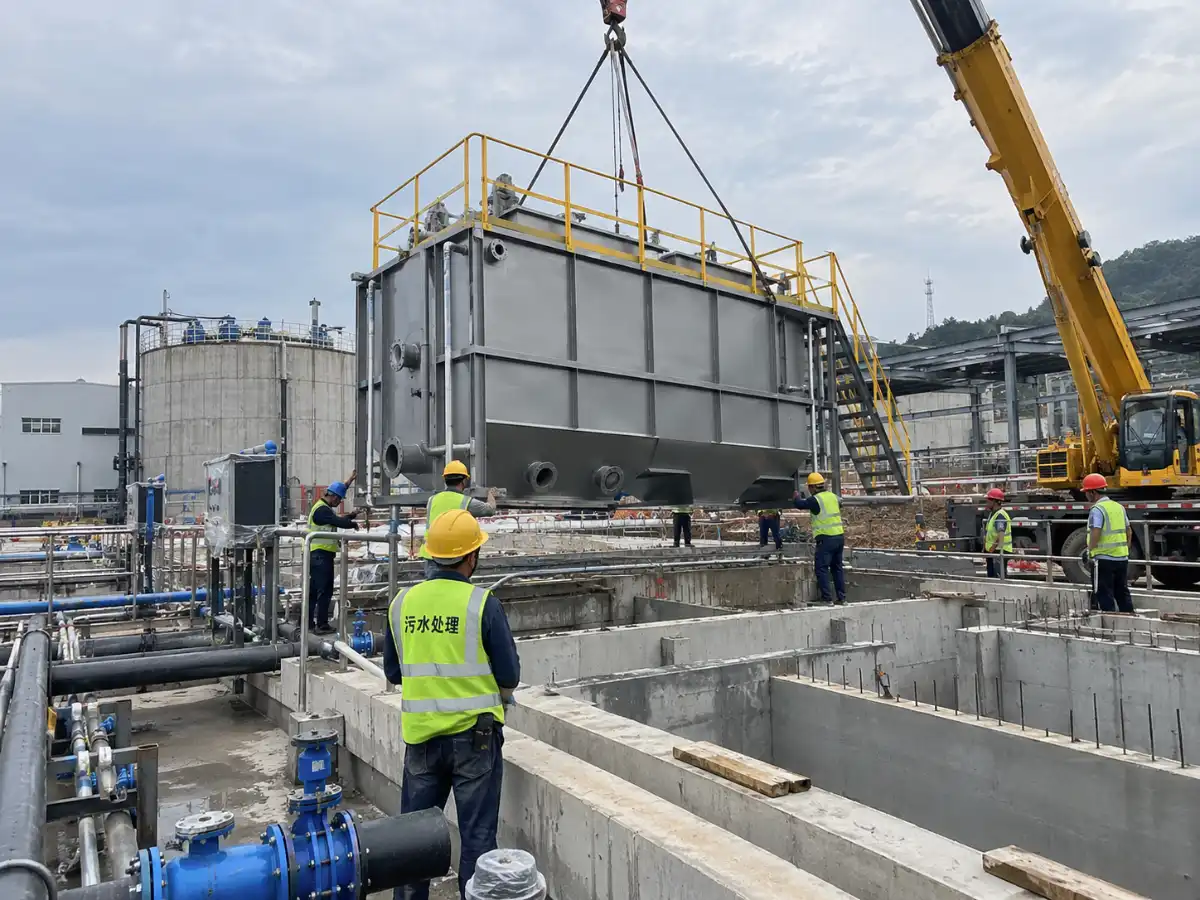
Double-Effect Evaporator: Cost and Applications
A practical breakdown of double-effect evaporator costs, from $180,000 to $850,000, and the operating trade-offs that decide whether it beats single-effect or MVR for your wastewater.


A practical breakdown of double-effect evaporator costs, from $180,000 to $850,000, and the operating trade-offs that decide whether it beats single-effect or MVR for your wastewater.

An MVR evaporator concentrates chemical wastewater by recompressing its own vapor and reusing the latent heat, cutting steam demand and operating cost. This guide covers feed characterization, compressor and heat exchanger design, scaling control, and how MVR compares with multi-effect evaporation.
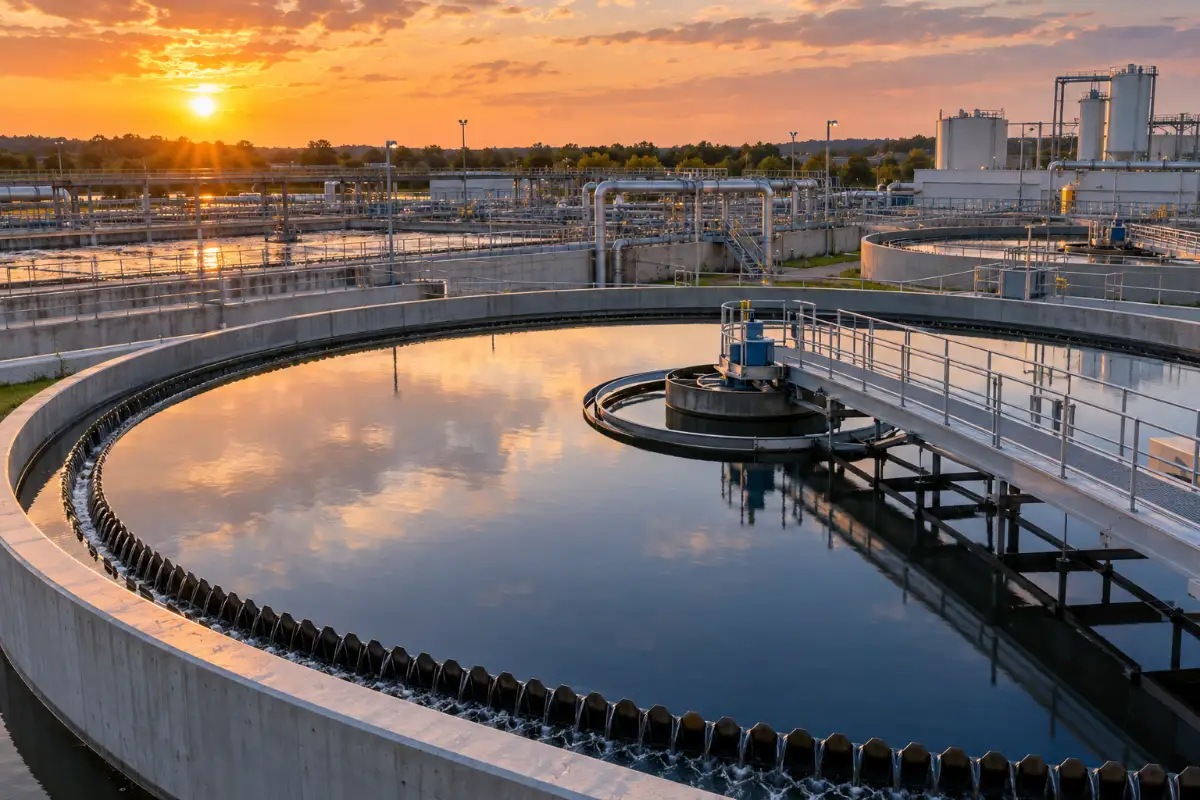
A practical walkthrough of the industrial evaporator factory acceptance test, covering documentation checks, protocol design, performance testing by evaporator type, and safety interlock verification before the unit ships.
A practical breakdown of landfill leachate treatment system costs, from $450,000 to $6 million in capital, plus the process train and operating factors that drive the real number.
A practical guide to sizing lithium battery wastewater recycling equipment, covering stream mapping, pretreatment, membrane concentration, evaporation, crystallization, and sludge handling.
A practical guide to cutting industrial wastewater volume with reuse, membrane concentration, evaporation, and ZLD, plus how to choose the right equipment mix.
Industrial brine concentration systems typically cost $150,000 to $3 million or more, driven mainly by feed chemistry, evaporation capacity, materials of construction, and whether ZLD is required. This guide breaks down capital and operating costs so you can budget realistically.
A practical guide to designing pharmaceutical mother liquor treatment trains, covering pretreatment, MVC/MVR evaporation, DTRO polishing, equipment selection, energy trade-offs, and the operating problems that emerge months after startup.
A practical guide to choosing a DTRO membrane system manufacturer, covering hydraulic design, membrane element sourcing, pretreatment integration, service depth, and the lifecycle cost math most buyers skip.
Multi-effect evaporator pricing is the output of a design calculation, not a fixed number. This guide breaks down the capital cost drivers, the trade-off between number of effects and steam savings, and how feed characteristics can multiply the price.