

Material selection is where most industrial evaporator projects are won or lost. I have watched perfectly sized systems fail in eighteen months because someone specified 304 stainless steel for a chloride-rich stream, and I have seen plants run for fifteen years without a single tube replacement because the metallurgy matched the chemistry from day one. The short answer: you select evaporator materials by matching alloy corrosion resistance to the actual composition, temperature, and pH of every stream the unit touches, then you verify that choice against the worst-case condition, not the average. The rest of this guide explains how I work through that decision in practice.
Start With the Stream, Not the Alloy
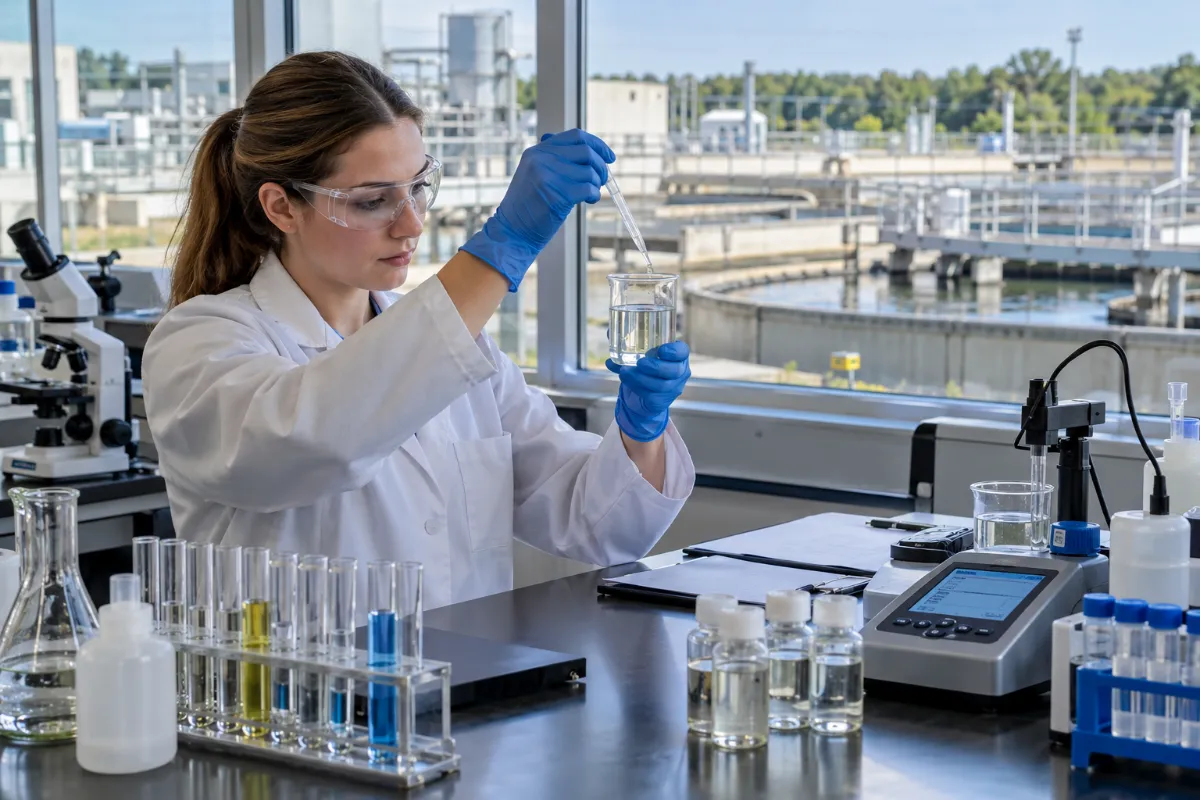
Engineers often ask me “what material should I use for an evaporator?” before they have finished characterizing the feed. That question cannot be answered in isolation. The same evaporator body might be 316L for one client and duplex 2205 for another, and the difference is almost never the headline salt concentration. It is the minor constituents.
Before I open a materials chart, I want these numbers on the table:
- Chloride concentration in the feed, the circulating liquor, and the concentrated brine. Chlorides concentrate aggressively as water evaporates, so the chloride in your feed is not the chloride your heat exchanger sees.
- pH range across the process, including cleaning cycles. A stream that sits at pH 7 in normal operation may hit pH 2 during acid cleaning.
- Operating temperature at the heat transfer surface, not the bulk temperature. Wall temperature drives corrosion and scaling.
- Sulfides, ammonia, fluoride, and organic solvents. These change the corrosion mechanism entirely and can rule out whole alloy families.
- Suspended solids and scale-forming species such as calcium, magnesium, silica, and sulfate. These affect material choice indirectly by forcing higher velocities and more frequent cleaning.
If you are still defining the feed, a general walkthrough of what industrial wastewater actually contains is a reasonable starting point. But for material selection you need a lab analysis of your specific stream, not a category description.
How Chlorides and Temperature Drive the Decision
For most industrial evaporators, chloride-induced stress corrosion cracking and pitting are the dominant failure modes. Austenitic stainless steels like 304 and 316 are vulnerable once chlorides and temperature climb together. There is no single threshold I trust, because oxygen, pH, and stress all shift the line. But the patterns I see repeatedly in the field look like this:
| Alloy | Typical chloride tolerance (indicative) | Practical temperature ceiling | Where I use it |
|---|---|---|---|
| 304 / 304L | Very low, roughly <50 mg/L | Below ~60 °C | Low-chloride, near-neutral streams only |
| 316 / 316L | Low, roughly <200 mg/L | Below ~80 °C | Mild brines, some food and pharmaceutical duty |
| Duplex 2205 | Moderate, roughly 200–1,000 mg/L | Up to ~120 °C | Chloride-bearing brine with moderate temperature |
| Super duplex 2507 | High, roughly 1,000–3,000 mg/L | Up to ~150 °C | Aggressive brine, seawater-range chlorides |
| Titanium Grade 2 | Very high, >5,000 mg/L | Up to ~120 °C | High-chloride, oxidizing conditions |
| Duplex + titanium hybrid | Very high | Up to ~150 °C | Bodies in duplex, tubes in titanium |
Treat those ranges as indicative only. They are starting points for a conversation with a corrosion engineer, not specifications. A stream at 500 mg/L chloride and 90 °C with dissolved oxygen present will eat 316L, while the same chloride at 60 °C under deaerated conditions may run for years. Temperature and oxygen are not minor variables.
Matching Material to Evaporator Type
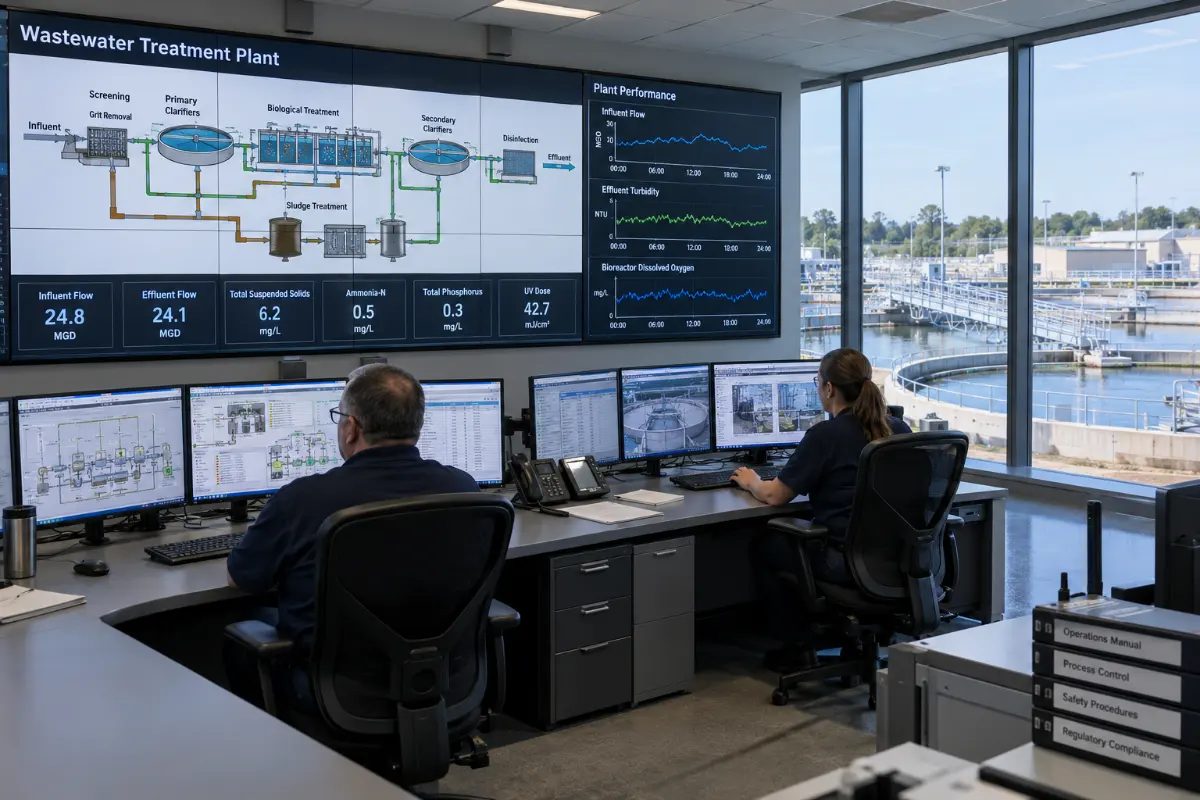
Different evaporator configurations expose materials to different conditions, so the alloy logic shifts with the technology you pick.
Mechanical Vapor Recompression (MVC/MVR)
MVC systems run at higher temperatures and pressures than multi-effect units, and the compressor discharge side sees the hottest, most concentrated liquor. That combination is brutal on austenitic stainless. For chloride-bearing streams I default to duplex or super duplex for the heat exchanger and wetted compressor components, and I pay close attention to the MVC evaporator heat exchanger design because tube wall temperature is where cracking starts. If your chloride load is high, review the full mechanical vapor compression evaporator configuration before locking in metallurgy, because compressor selection and material selection are coupled.
Multi-Effect Evaporators
Multi-effect trains run at progressively lower temperatures and pressures across effects, which means the first effect is the most aggressive environment and the last effect is comparatively gentle. I have used 316L in the final effects of a multi-effect train where the first effect required super duplex, and that hybrid saved the client real money. The engineering is in knowing which effect sees what. If you are weighing configurations, the tradeoffs between double-effect and triple-effect designs also change your material exposure profile, not just your steam economy.
Membrane Pre-Concentration
When a DTRO membrane system or high-pressure RO does the bulk concentration upstream, the evaporator only sees the reject, which is smaller in volume but far more aggressive in chemistry. That often pushes material selection upward, not downward, even though the evaporator is smaller. Do not assume a smaller evaporator means a cheaper alloy.
Non-Metallic Options and Where They Fit
Sometimes the right answer is to stop fighting corrosion with metallurgy. I have specified graphite, PTFE-lined, and FRP components for hydrochloric acid recovery and other strongly acidic streams where no affordable alloy survives. The tradeoffs are real:
- Graphite handles strong acids and chlorides well but is brittle and sensitive to mechanical shock and oxidizing agents.
- PTFE and other fluoropolymers are chemically near-universal but have low thermal conductivity and temperature limits, so they work best as linings or in lower-temperature stages.
- FRP and dual-laminate are cost-effective for large, low-temperature vessels but have limited temperature ceilings and require careful nozzle and support design.
Non-metallics are not a compromise you apologize for. On the right stream they outlast any alloy and cost less over the life of the plant. The mistake is applying them where mechanical loads or temperature will destroy them in two years.
Gaskets, Welds, and the Parts People Forget
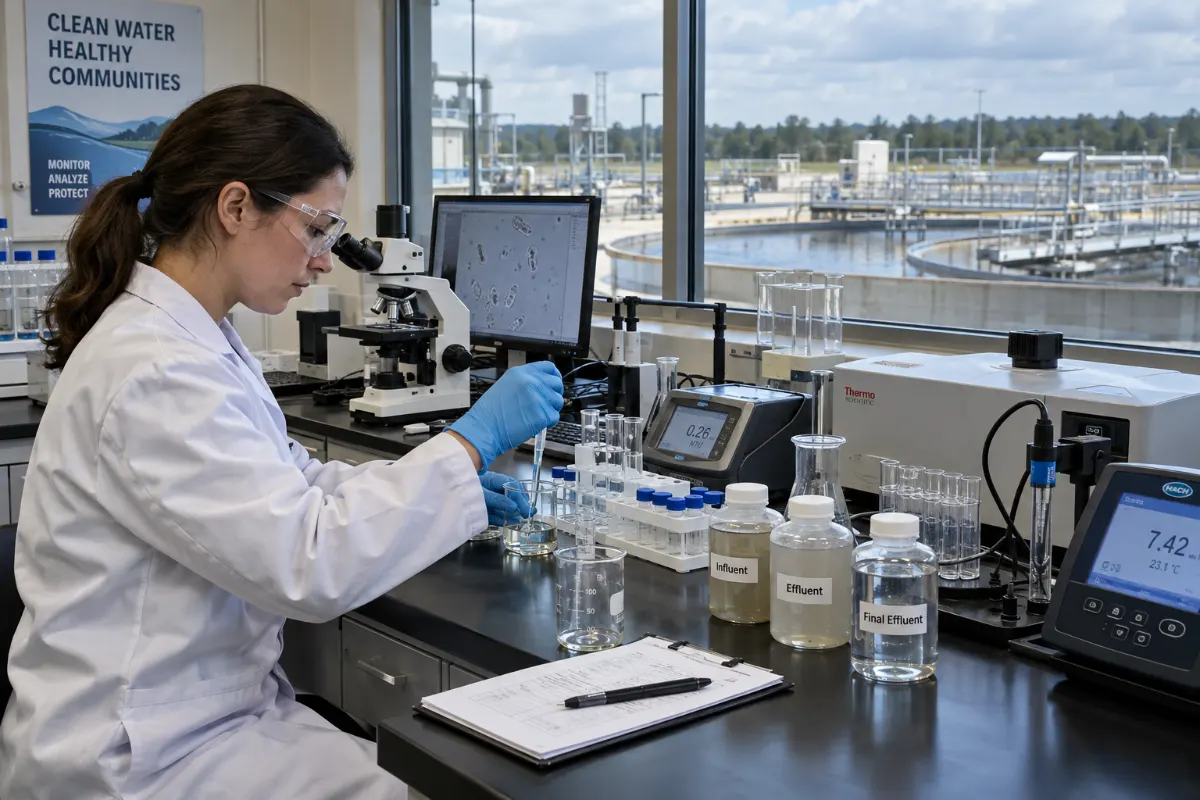
I have seen a super duplex heat exchanger fail at a 316L flange bolt. Material selection is a system decision, and the components that get overlooked are usually the ones that cause the shutdown.
- Gaskets: match the gasket to the chemistry, not just the flange. PTFE-encapsulated and spiral-wound with appropriate filler are common, but the filler matters in chloride service.
- Fasteners: bolts see the same vapor and condensate as the shell. B7 studs in a chloride environment are a corrosion site waiting to happen.
- Welds and heat-affected zones: the HAZ is often less corrosion-resistant than the base metal. Post-weld treatment and proper filler selection matter more than most people expect.
- Pumps, valves, and instruments: wetted parts see the same liquor. A duplex vessel with a 316 impeller is a false economy.
- Vapor and condensate lines: condensate can be surprisingly corrosive, especially when volatile acids carry over.
When I review a material selection package, I check the piping and instrumentation drawings against the vessel datasheet. Discrepancies there are where field failures come from.
Cost, Lead Time, and Fabricability
Material selection is not just corrosion engineering. It is a commercial decision, and I treat it that way.
| Material | Relative material cost | Fabrication difficulty | Typical lead time impact |
|---|---|---|---|
| 304/316L | Baseline | Easy | Minimal |
| Duplex 2205 | Moderate premium | Moderate, needs qualified welders | Minor |
| Super duplex 2507 | High premium | Demanding, strict welding control | Moderate |
| Titanium | High premium | Specialized, inert gas protection critical | Moderate to significant |
| Nickel alloys | Very high premium | Specialized | Significant |
| Graphite / lined steel | Varies widely | Specialized | Varies |
Upgrading from 316L to super duplex on a mid-size heat exchanger might add a meaningful percentage to the equipment cost, but if it prevents a tube bundle replacement at year three, the lifecycle math is obvious. The harder call is when the premium is large and the corrosion risk is uncertain. That is when I push for a coupon test or a pilot run rather than guessing.
Lead time deserves separate attention. Super duplex and titanium require qualified welders and sometimes longer procurement. On a fast-track project, that can matter as much as the price. I have seen schedules slip because a fabricator could not source titanium plate quickly, not because the alloy was wrong.
What I Do When the Data Is Thin
Real projects rarely arrive with complete water analysis. Here is how I handle the uncertainty:
- Run a coupon test. Put samples of the candidate alloys in the actual stream at operating temperature for a few weeks. It is cheap and answers more than any chart.
- Design for the worst credible case. If chlorides could spike during a cleaning cycle or a process upset, assume they will.
- Build in monitoring. Corrosion coupons, ultrasonic thickness checks, and periodic water analysis catch problems before they become failures.
- Keep a replacement plan. If you specified a material at the edge of its envelope, budget for inspection and eventual replacement rather than pretending it will last forever.
- Document the basis of selection. When the plant changes its process in five years, the next engineer needs to know why duplex was chosen.
For projects where corrosion risk is genuinely high and the stream is well characterized, a zero liquid discharge system approach often justifies the higher alloy cost because the evaporator is the final barrier and downtime is unacceptable.
Case-Style Example: High-Chloride Brine Concentration
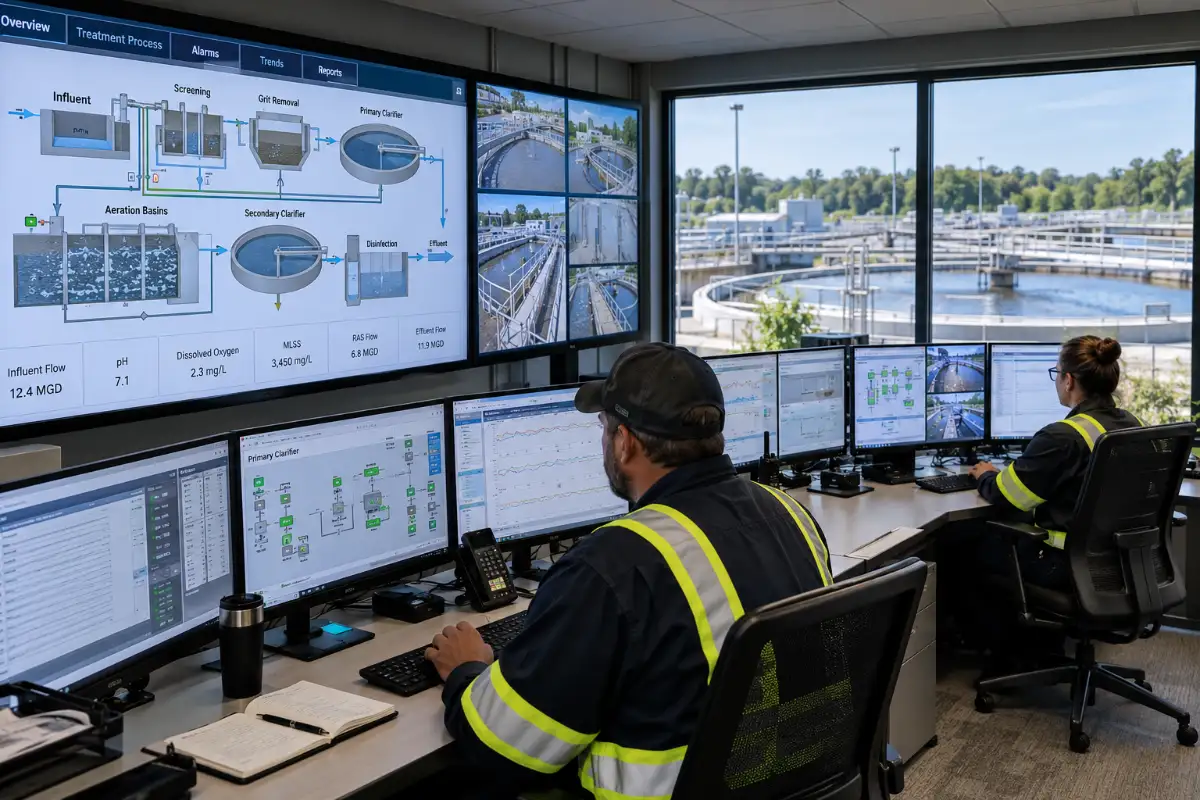
I worked on a project where a chemical plant needed to concentrate a brine stream with chloride in the several-thousand mg/L range and a temperature around 95 °C. The original specification called for 316L throughout, based on the feed analysis. What the feed analysis missed was that chlorides concentrated roughly fourfold in the circulating liquor, and the heat exchanger wall ran hotter than the bulk.
We moved the heat exchanger tubes to titanium Grade 2 with a duplex shell, kept 316L for the cooler vapor and condensate sections, and specified PTFE-encapsulated gaskets with appropriate fasteners. The revised design cost more upfront. It also avoided the tube failures that the original design would almost certainly have produced within two to three years. I cannot share the client or the exact figures, but the logic is one I apply repeatedly: analyze the concentrated liquor, not the feed, and match each section to its actual local conditions.
Practical Selection Checklist
When I sit down to finalize materials, I work through this list:
- Full water analysis including minor ions, not just TDS and chlorides
- Chloride concentration in the circulating liquor and final brine, not the feed
- Maximum wall temperature at the heat transfer surface
- pH range in normal operation and during cleaning
- Presence of oxygen, sulfides, ammonia, fluoride, and organics
- Section-by-section material assignment rather than one alloy for the whole unit
- Gaskets, fasteners, welds, and wetted pump and valve parts
- Cleaning chemistry compatibility with every wetted material
- Fabrication capability and lead time for the chosen alloys
- Inspection and monitoring plan for the first two years of operation
If you want a second set of eyes on a material selection package before you commit to fabrication, that conversation is usually worth having early. Our team reviews these regularly, and you can request a material selection review with your water analysis and process conditions.
FAQ
Can I use 316L stainless steel for a high-chloride wastewater evaporator?
Usually not, if chlorides are above a few hundred mg/L and temperatures exceed roughly 60 to 80 °C. Chlorides concentrate in the circulating liquor, and 316L is prone to pitting and stress corrosion cracking under those conditions. I would look at duplex, super duplex, or titanium depending on the actual numbers.
Is titanium always the best choice for corrosive evaporator service?
No. Titanium is excellent in high-chloride, oxidizing conditions, but it is not universal. It can be attacked in strongly reducing or certain acidic environments, and it costs significantly more than duplex. It is the right answer for some streams and the wrong answer for others.
How much does material selection affect evaporator capital cost?
It depends on the alloy and the size of the unit. Moving from 316L to duplex is a moderate premium, while super duplex, titanium, or nickel alloys can add substantially more. The right way to judge it is lifecycle cost, including expected tube life, downtime, and replacement expense.
What is the most common material selection mistake you see?
Specifying based on the feed analysis instead of the concentrated liquor. Chlorides, sulfates, and other aggressive species concentrate as water is removed, so the material that looks adequate in the feed can fail badly in the brine.
How do I decide between duplex and super duplex?
It comes down to chloride level, temperature, and oxygen. Duplex 2205 covers many moderate-chloride applications up to around 120 °C. Super duplex 2507 extends the range but costs more and demands stricter welding control. A coupon test in the actual stream is the most reliable way to choose between them.
Can I mix materials in one evaporator?
Yes, and I often do. Different sections see different temperatures and concentrations, so assigning duplex or titanium to the hot, concentrated sections and 316L to cooler sections can reduce cost without sacrificing reliability. The key is to base each section on its local conditions.
What about gaskets and fasteners?
They matter as much as the vessel. A super duplex shell with the wrong gasket or carbon steel fasteners will still fail. Match gaskets, bolts, and wetted pump and valve parts to the same chemistry you used to select the vessel alloy.
How often should I inspect evaporator materials after startup?
For the first year, I recommend corrosion coupon monitoring and at least one ultrasonic thickness survey on critical sections. After that, annual or biennial inspection is typical, adjusted based on what the first checks show. If you specified a material near the edge of its envelope, inspect more often.
Does evaporator type change which material I should choose?
Yes. MVC units run hotter and expose materials to more concentrated liquor, so they often need higher alloys than multi-effect units on the same stream. Multi-effect trains also run cooler in later effects, which can allow lower-cost materials in those stages.
When should I consider non-metallic materials?
When the stream is strongly acidic or otherwise incompatible with affordable alloys, or when chlorides are high enough that even super duplex is marginal. Graphite, PTFE-lined, and FRP options can be excellent in the right service, provided temperature and mechanical loads are within their limits.